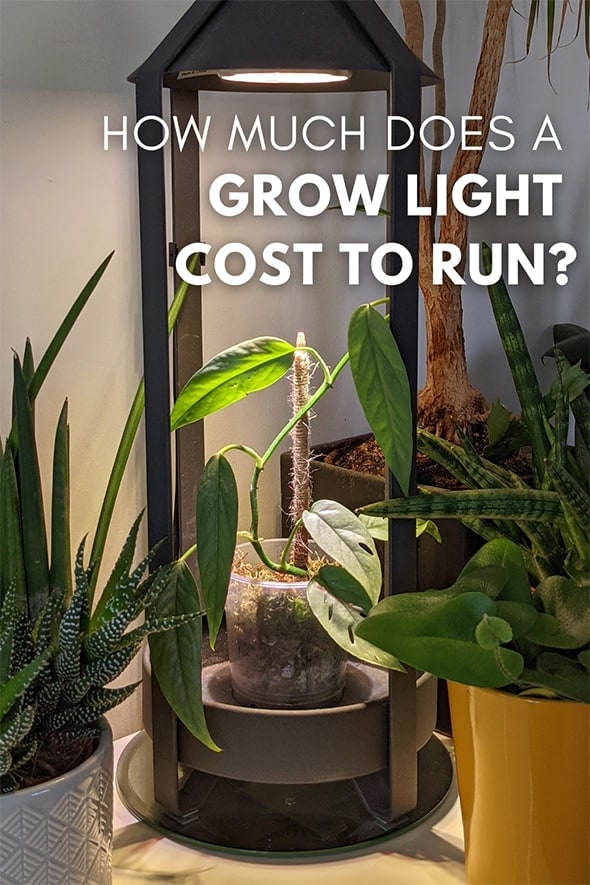
Ever found yourself gazing at a cozy lamp, perhaps while sipping your evening tea, and wondered, "How much juice is this little beacon of comfort actually pulling from the wall?" It's a surprisingly common thought, often dismissed as too mundane for deep contemplation. But fear not, fellow curious mind! We're here to demystify the humble lamp's electricity diet in a way that's as illuminating as, well, the lamp itself.
The Great "It Depends" Adventure
Before we dive into numbers, let's get one thing straight: the amount of electricity a lamp uses is a classic "it depends" scenario. Think of it like asking how much gas a car uses – a Ferrari and a Prius have vastly different answers! In the world of lamps, the biggest factor isn't the fancy shade or the elegant base, but the type of bulb screwed inside.
For decades, the go-to was the incandescent bulb, a brilliant invention from a bygone era (thanks, Edison, or maybe Swan, depending on who you ask!). These bulbs work by heating a tiny filament until it glows white-hot. They're like miniature suns, and while they gave us beautiful warm light, they were also quite literally energy hogs, converting most of their energy into heat rather than light. A typical 60-watt incandescent bulb would genuinely draw 60 watts of power.
Enter the Modern Marvel: LEDs
Fast forward to today, and we're living in the age of the LED (Light Emitting Diode). These are the superheroes of modern lighting, and they've revolutionized how much electric our lamps consume. Where an incandescent might have needed 60 watts to light up a room, an LED can achieve the same brightness (measured in lumens) with a mere fraction of that power – often just 7 to 9 watts. That's a huge difference!
So, let's put some rough numbers to it. Imagine you have a table lamp fitted with a common 9-watt LED bulb, designed to give off light equivalent to an old 60-watt incandescent. If you keep that lamp on for, say, 3 hours every evening for your reading or ambient glow, here's a super simplified way to think about its power usage:

- 9 watts x 3 hours = 27 watt-hours per day.
- Over a month (30 days): 27 watt-hours/day x 30 days = 810 watt-hours.
- To convert to kilowatt-hours (kWh), which is how electricity is billed: 810 / 1000 = 0.81 kWh per month.
Considering the average cost of electricity in many places is around $0.15 to $0.20 per kWh, that 0.81 kWh might cost you somewhere between 12 to 16 cents a month for that one lamp. Peanuts, right? This is why upgrading to LEDs is often touted as one of the easiest energy-saving hacks!
Beyond the Bulb: Practical Tips for Savvy Lighting
While the bulb is the star of the show, here are a few other shining tips:

- Choose Wisely: When buying new bulbs, always look at the lumens (brightness) you need, not just the watts. Then, pick the LED bulb with the lowest wattage that provides those lumens.
- Maximize Natural Light: Open those curtains and blinds! Natural daylight is not only free but also fantastic for your mood and productivity. Think of it as nature's original smart lighting.
- Dim It Down: If your lamp supports a dimmer switch (and your bulb is dimmable), use it! Dimming your lights not only creates a more relaxed ambiance but also reduces electricity consumption. It’s like turning down the volume on your energy bill.
- Smart Solutions: Ever considered smart bulbs or smart plugs? You can schedule when your lamps turn on and off, or even control them with your voice. No more accidentally leaving the living room lamp on all night!
- "Light Off!" Rule: It sounds obvious, but it's a classic for a reason. Make it a habit to turn off lights when you leave a room. Every little bit truly helps.
Fun Fact & Cultural Nod
Did you know that the "light bulb moment" idiom, meaning a sudden realization or idea, actually stems from the dramatic visual of an incandescent bulb flickering to life? It's a testament to how profoundly electric light changed human experience, literally shedding light on our thoughts!
Also, don't fret too much about "phantom load" with standard lamps. Unlike some electronics that constantly sip power even when off, most basic lamps draw virtually no power when switched off at the lamp or the wall. Smart lamps with Wi-Fi might pull a tiny trickle to stay connected, but it's usually negligible.
A Reflection on Illumination
So, the next time you switch on your favorite lamp, you can appreciate it not just for the warm glow it casts, but also for its newfound energy efficiency. In our modern lives, where every decision, no matter how small, can have a ripple effect, understanding something as simple as a lamp's power usage is a tiny step towards more conscious living. It’s about more than just saving a few pennies; it’s about making mindful choices that add up to a brighter, more sustainable future, one watt at a time. Go forth and illuminate, wisely!

