
Ever found yourself in the middle of a perfect movie night, only for the lights to suddenly go out, plunging you into darkness? Or perhaps your trusty hair dryer mysteriously gave up the ghost mid-styling, along with half the bathroom's power? Chances are, you've met the unsung hero (or villain, depending on your perspective) of household electricity: the circuit breaker. And today, we're going to demystify one of its most common iterations: the 20-amp breaker. Understanding how many watts it can handle isn't just for electricians; it's a superpower for every homeowner, making life smoother, safer, and less prone to sudden power outages!
So, why is this topic fun, useful, or popular? Because it's about empowerment! Instead of just shrugging when the breaker trips, you'll understand why it happened and, more importantly, how to prevent it. It's like learning the secret language of your home's electrical system, letting you manage your gadgets and appliances with confidence, avoiding frustrating interruptions, and even saving you from potential electrical hazards. It’s all about putting a little bit of electrical wizardry right into your everyday life!
To unlock this superpower, we need to get cozy with a few terms: volts, amps, and watts. Think of electricity like water flowing through a pipe. Volts (V) are the "water pressure" pushing the electricity. In most US homes, your standard wall outlets are 120 volts. Amps (A) are the "flow rate" or the amount of electricity flowing. And finally, Watts (W) are the "power" or the actual amount of work being done by that electricity – like how much water is actually turning a turbine. It’s the total energy your devices are consuming!
The magic formula that connects them all is wonderfully simple: Watts = Volts x Amps. That's it! This little equation is your key to understanding your 20-amp breaker. A circuit breaker, by the way, is a vital safety device. It's designed to automatically "trip" (shut off the power) if too much electricity flows through a circuit, preventing wires from overheating and potentially causing a fire. So, when it trips, it’s actually doing its job to keep you safe!
Now, let's calculate for our common 20-amp breaker on a standard 120-volt household circuit. Using our formula: 120 Volts x 20 Amps = 2400 Watts.
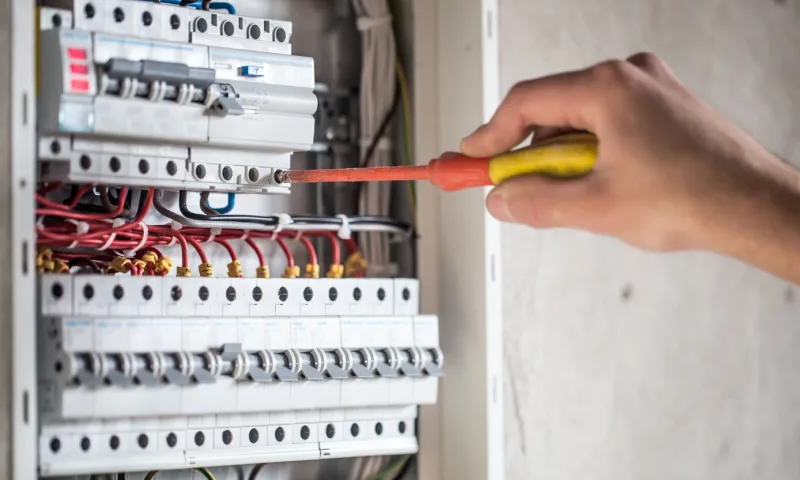
This means, theoretically, a 20-amp breaker can handle up to 2400 watts of power. However, here comes the crucial safety rule: for continuous loads (anything that runs for three hours or more, or most things in your home that aren't momentary surges), electrical codes advise that you should only load a circuit to 80% of its maximum capacity. This "80% rule" provides a safety buffer, preventing overheating and premature wear on your wiring and breaker.
So, let's apply the 80% rule to our 20-amp breaker: 2400 Watts x 0.80 = 1920 Watts.
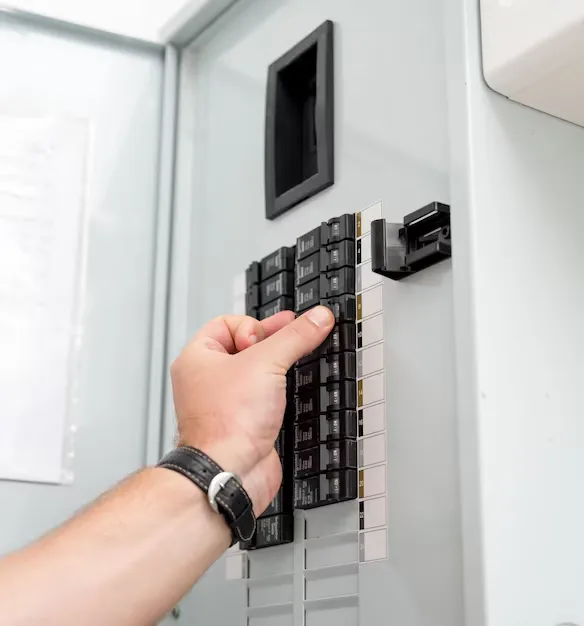
This means that for continuous, safe operation, you should aim to keep the total wattage of all devices plugged into a 20-amp, 120-volt circuit below 1920 watts. What does 1920 watts look like? It could be a powerful microwave (around 1000-1500W), or a hairdryer (1500-1800W) – either of which can hog a good chunk of power! Or it could be several smaller devices like a TV (60-200W), a laptop (50-100W), lamps (60-150W), and a small space heater (750-1500W) combined.
Understanding this empowers you to distribute your high-wattage appliances across different circuits, preventing those frustrating power outages and ensuring your home's electrical system runs smoothly and safely. Next time you plug in a new gadget, take a quick peek at its wattage and think about what else is running on that circuit. A little knowledge about watts and amps goes a long way in making your home a happier, safer, and uninterrupted place!