
Ah, summer. The season of sunshine, popsicles, and that delightful, soul-crushing moment when you realize your indoor temperature rivals the surface of the sun. Fear not, dear reader, for humanity, in its infinite wisdom, invented the window AC unit – a rectangular box of pure, unadulterated bliss. But then comes the nagging question, the one that keeps electricians up at night (probably): “How many amps does that glorious chill-machine actually pull?”
You’d think it would be a simple answer, right? Like asking, “How many legs does a dog have?” (Four, usually, unless it’s had a particularly exciting Tuesday). But no, my friends, when it comes to amps, it’s less of a straightforward count and more of a choose-your-own-adventure electrical saga.
The Great Amp Mystery: It Depends!
I know, I know. “It depends” is the least satisfying answer since someone asked, “Is this cake healthy?” But with window ACs, it truly does! The amperage draw can be as varied as the number of questionable fashion choices I’ve made over the years. Let’s break down the culprits behind this electrical variability, shall we?
1. The Mighty BTU: Bigger Is (Always) Hungrier
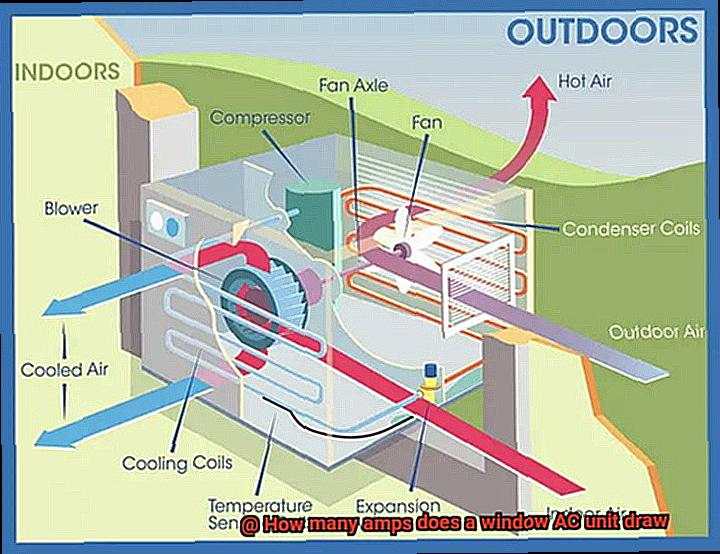
First up, we have the mighty BTU, which stands for British Thermal Units. Don’t ask me why it’s British; I imagine it has something to do with politely but firmly removing heat. BTUs are basically the measure of an AC unit’s cooling power. Think of it like horsepower for your chilly air. A small 5,000 BTU unit, perfect for a cozy bedroom, is like a polite kitten sipping milk. It’s not going to make a huge fuss on your electrical circuit.
But then you get to the 12,000, 15,000, or even 24,000 BTU monsters, designed to turn your living room into an arctic research station. These are the Bengal tigers of the AC world, and they have an appetite to match! Naturally, the more cooling power, the more juice it’s going to demand. So, if you’re trying to cool a ballroom with an AC meant for a broom closet, not only will you be sweating, but your electrical panel will be giving you the side-eye.
2. Voltage: The Plug Tells All (Mostly)
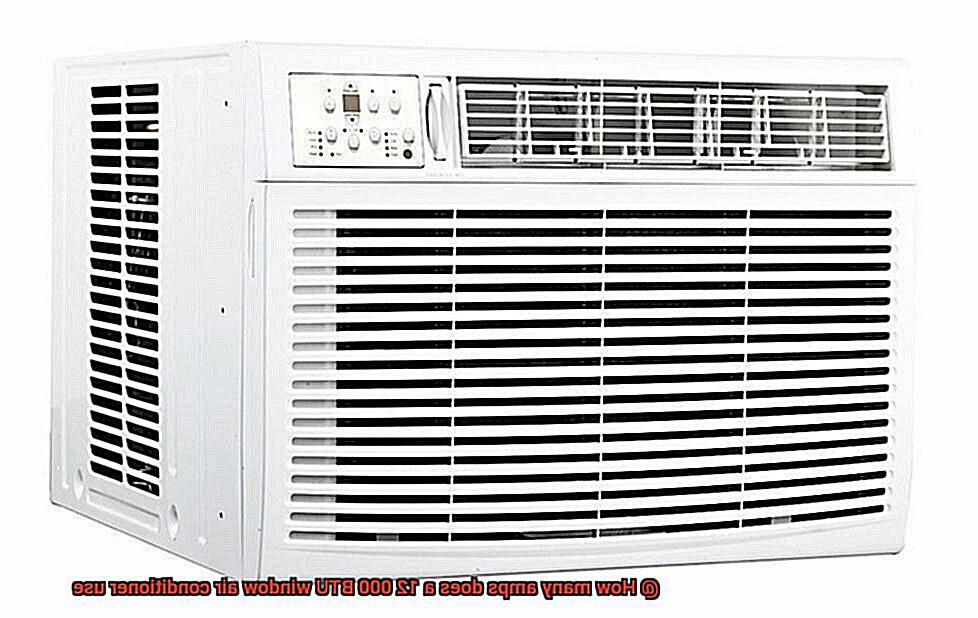
Most standard window AC units for residential use in North America run on 115 or 120 volts. These are your everyday heroes, plugging into a regular wall outlet, just like your toaster or phone charger. They typically draw anywhere from 5 to 15 amps. These are the friendly neighborhood AC units, usually content with a standard circuit.
However, once you venture into the bigger, more powerful units (think 15,000 BTUs and up), you might encounter units that demand 208 or 230/240 volts. You’ll recognize these by their rather intimidating, larger, and often L-shaped plugs. These aren't just fancy; they’re designed for dedicated circuits with heavier wiring. Trying to jam one of these into a standard outlet is like trying to fit a square peg into a very, very round hole – and trust me, the circuit breaker will let you know with a dramatic "POP!" followed by total darkness. Good times!
3. Efficiency Rating: The Savvy Sipper vs. The Guzzler
Just like cars, AC units have efficiency ratings. Look for numbers like EER (Energy Efficiency Ratio) or SEER (Seasonal Energy Efficiency Ratio). A higher EER/SEER means your AC is better at converting electricity into cooling power. In layman's terms: a high EER unit is like a marathon runner, efficient and steady. A low EER unit is like me after five minutes on a treadmill – huffing, puffing, and demanding a large pizza. The savvy sippers will draw fewer amps for the same cooling power compared to their less efficient, energy-guzzling cousins.
4. The Age Factor: Vintage Charm or Electrical Nightmare?
Let’s be honest, that ancient AC unit you inherited from your grandma might have sentimental value, but it’s probably also an electrical dinosaur. Older units were often less efficient and could draw significantly more amps than their modern, energy-star-rated counterparts. They hum, they clunk, they sometimes sound like a dying robot, and they probably demand more power than a small village. So, while its vintage hum might be charming, your electric bill (and possibly your circuit breaker) might disagree.
5. How Hard Is It Working?
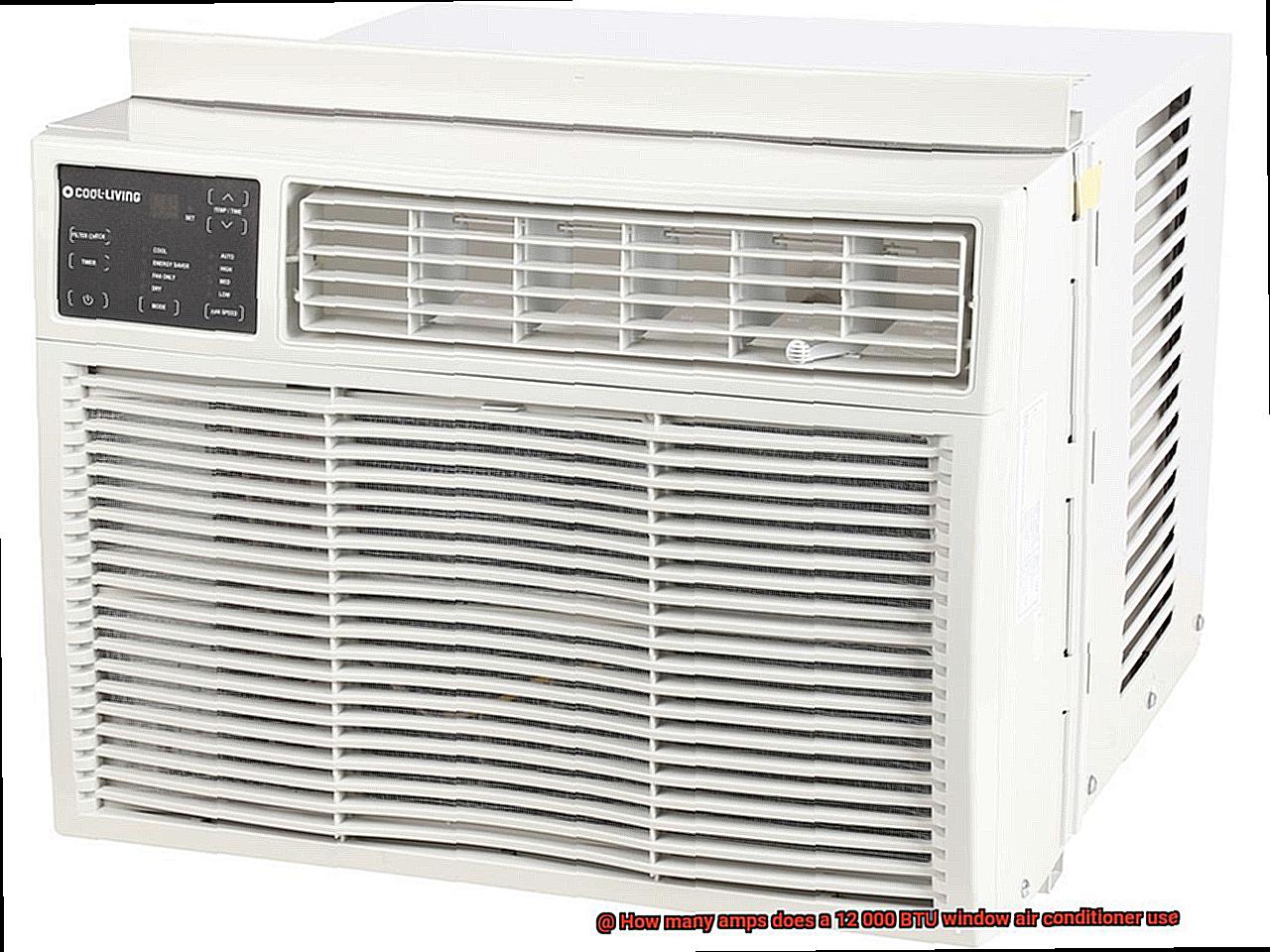
Finally, how much your AC is actively drawing depends on how hard it's working. Is it just maintaining a cool temperature, cycling on and off gently? Or is it battling a scorching 95-degree day, running non-stop on full blast, desperately trying to turn your living room into an igloo? Naturally, when the compressor is running full tilt, it’s drawing its maximum rated amperage. When it's just the fan, it's significantly less.
So, How Do You Find the Magic Number?
Okay, enough suspense. How do you find out the actual amp draw for your specific unit without calling an exorcist for your electrical panel?
1. Check the Sticker! This is your absolute best friend. Every appliance has a nameplate or sticker, usually on the side, back, or inside the front panel. It's like the AC unit's birth certificate and criminal record all in one! Look for the section that lists "Amps," "A," or "Current." It might say something like "Operating Amps: 8.5A" or "Max Amps: 12A." This is your golden ticket!
2. Do the Math (It's Easy, Promise!) If you only see watts (W) and volts (V), fear not! There's a simple little equation you can use, thanks to the brilliant Mr. Ohm:
Amps = Watts / Volts
So, if your sticker says 1000 Watts and you know it's a 120 Volt unit, you've got:
1000 W / 120 V = 8.33 Amps. See? You're practically an electrical engineer now!
Why Does This Even Matter, Anyway?
Beyond satisfying your inner electrical detective, knowing your AC’s amp draw is crucial for two main reasons:
1. Circuit Breakers: The Unsung Heroes (and Villains) of Your Home.
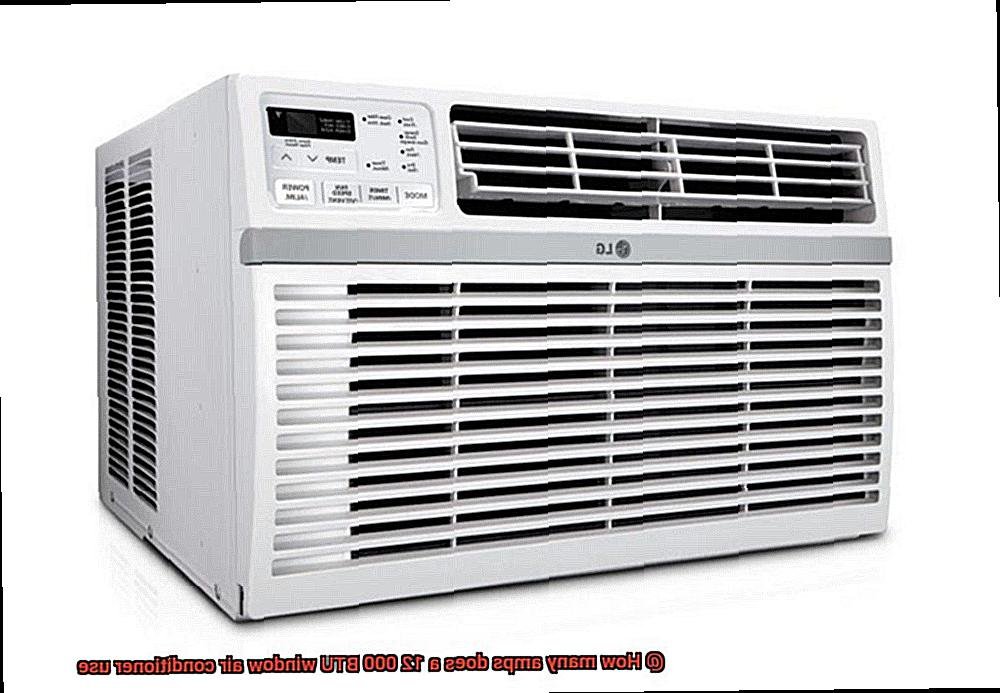
Every electrical circuit in your home has a circuit breaker, designed to trip (shut off) if too much current flows through it. This is a safety feature to prevent overloaded wires from overheating and starting fires. If your AC unit is pulling 12 amps, and it’s sharing a 15-amp circuit with your microwave, TV, and phone charger, you’re playing a dangerous game of electrical roulette. One too many demands, and SNAP! – darkness descends, usually right when you’re at the most crucial part of your favorite show.
2. Safety and Sanity.
Repeatedly tripping breakers isn't just annoying; it's a sign that your circuit is overloaded, which can be a safety hazard. Knowing your AC’s amp draw allows you to plug it into an appropriate circuit, ideally one that’s not already burdened by a horde of other power-hungry gadgets. This ensures smooth, uninterrupted cooling and a much happier (and safer) electrical system.
The Chilling Conclusion
So, there you have it. The answer to “How many amps is a window AC unit?” isn’t a single number, but a nuanced tale of BTUs, voltages, efficiency, and a little bit of math. The next time you’re basking in the glorious chill of your window AC, take a moment to appreciate its electrical demands. And if you hear a click and the lights go out, well, now you know exactly where to start your investigation. Happy cooling!