Ever peered under the hood of your car and wondered about the big, black box that brings everything to life? Beyond just "battery," there's a fascinating measure that tells us a lot about its hidden power: Amp Hours, often abbreviated as Ah. It might sound like a technical term, but understanding it is actually pretty fun and super relevant to anyone who drives, enjoys outdoor adventures, or just loves knowing how things work!
So, what exactly are Amp Hours in a car battery? Simply put, Ah is a measure of the battery's capacity – how much electrical energy it can store and deliver over a period. Think of it like the size of a fuel tank for electricity. A battery with a higher Amp Hour rating can supply a certain current for a longer time than one with a lower rating. While your car also talks about Cold Cranking Amps (CCA) for that initial powerful jolt to start the engine, Ah is all about the sustained power, the long haul capability. It's the silent workhorse that keeps your radio playing, your lights on when the engine is off, and ensures there's enough juice left for your next start.
The benefits of knowing about Ah extend beyond just technical curiosity. For instance, in daily life, if you accidentally leave your headlights on, knowing your battery's Ah rating can give you a rough idea of how long before it completely dies. (Though, ideally, you'd never test this!). If you're a camper or enjoy tailgating, understanding Ah helps you estimate how long you can power a portable fridge, charge your phone, or run some LED lights using your car battery as a temporary power source without stranding yourself. In an educational context, understanding Ah is a fundamental concept for anyone delving into basic electricity, automotive technology, or even renewable energy systems, as it teaches about energy storage and discharge rates.
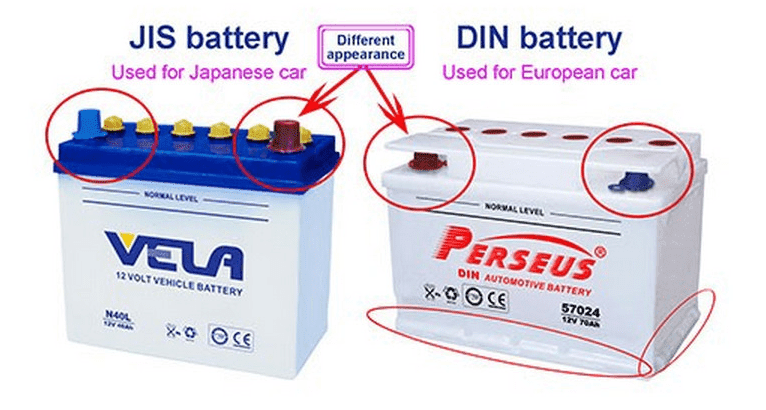
How many Amp Hours are in a typical car battery? It varies widely! A small car might have a battery around 40-50 Ah, while a standard sedan often falls in the 60-70 Ah range. Larger vehicles, like trucks or those with diesel engines, can have batteries pushing 80-100 Ah or more, reflecting their greater power demands. This difference is crucial when selecting a replacement battery – you want one that matches or exceeds your vehicle's requirements.
Want to explore this concept practically? Here are some simple tips:
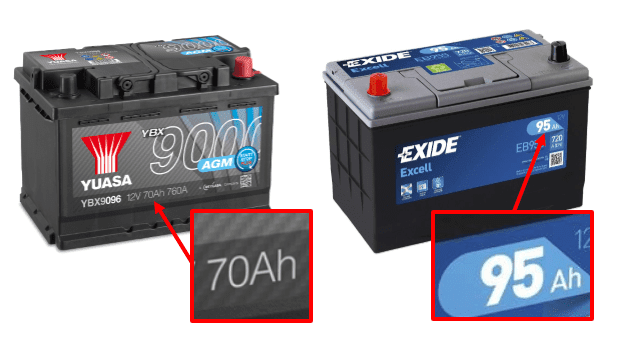
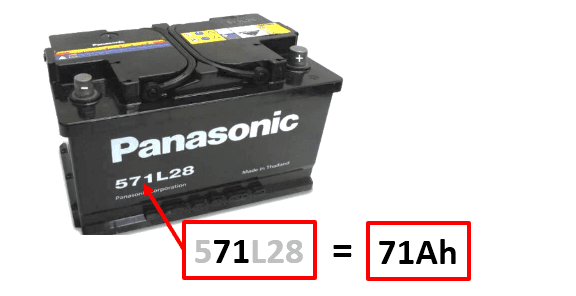
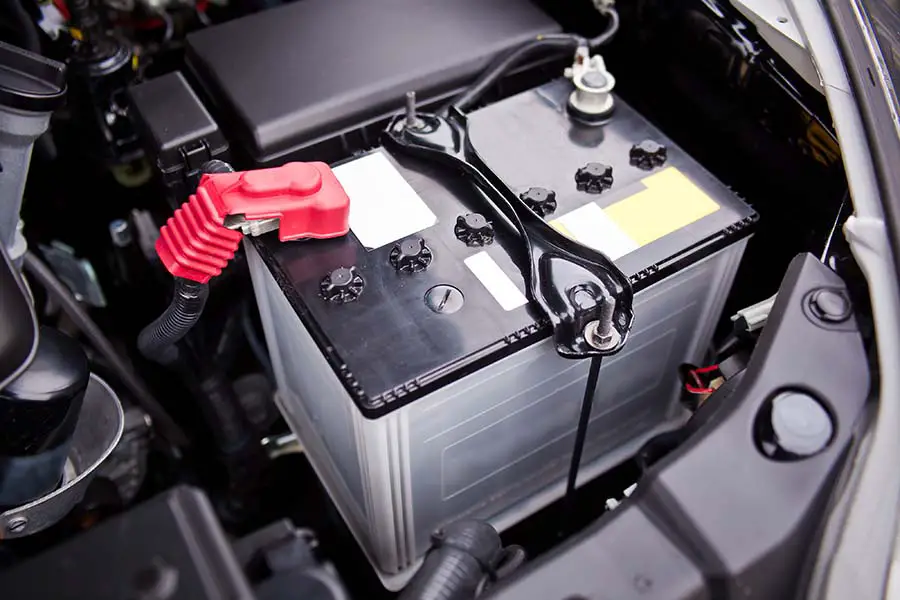
- Check Your Own Battery: Pop the hood (safely!) and look at the label on your car battery. You'll likely find the Ah rating clearly printed, along with the CCA.
- Compare Ratings: Next time you're at an auto parts store, compare the Ah ratings of different car batteries. Notice how they vary based on vehicle type and price.
- Simple Mental Math: If you have a 60 Ah battery and a device draws, say, 5 amps, theoretically it could run for about 12 hours (60 Ah / 5 A = 12 hours) – a fun way to grasp the concept, though real-world performance will be less due to efficiency losses.