
Ever paused in your kitchen, mid-coffee-making, and heard that faint, gentle hum from somewhere below or outside your home? That, my friend, is often the unsung hero of your household hydration: your well pump. It’s silently working its magic, pulling pristine water from the earth and delivering it straight to your tap. But if you’re new to well living, or just curious, you might wonder: How long should a well pump run?
It’s a great question, and like many things in life, the answer isn’t a one-size-fits-all, stopwatch-ready number. Think of it less like a sprint and more like a carefully orchestrated ballet. Let’s dive into the fascinating world of well pump choreography!
The Well Pump's Daily Grind: What's Happening Underneath?
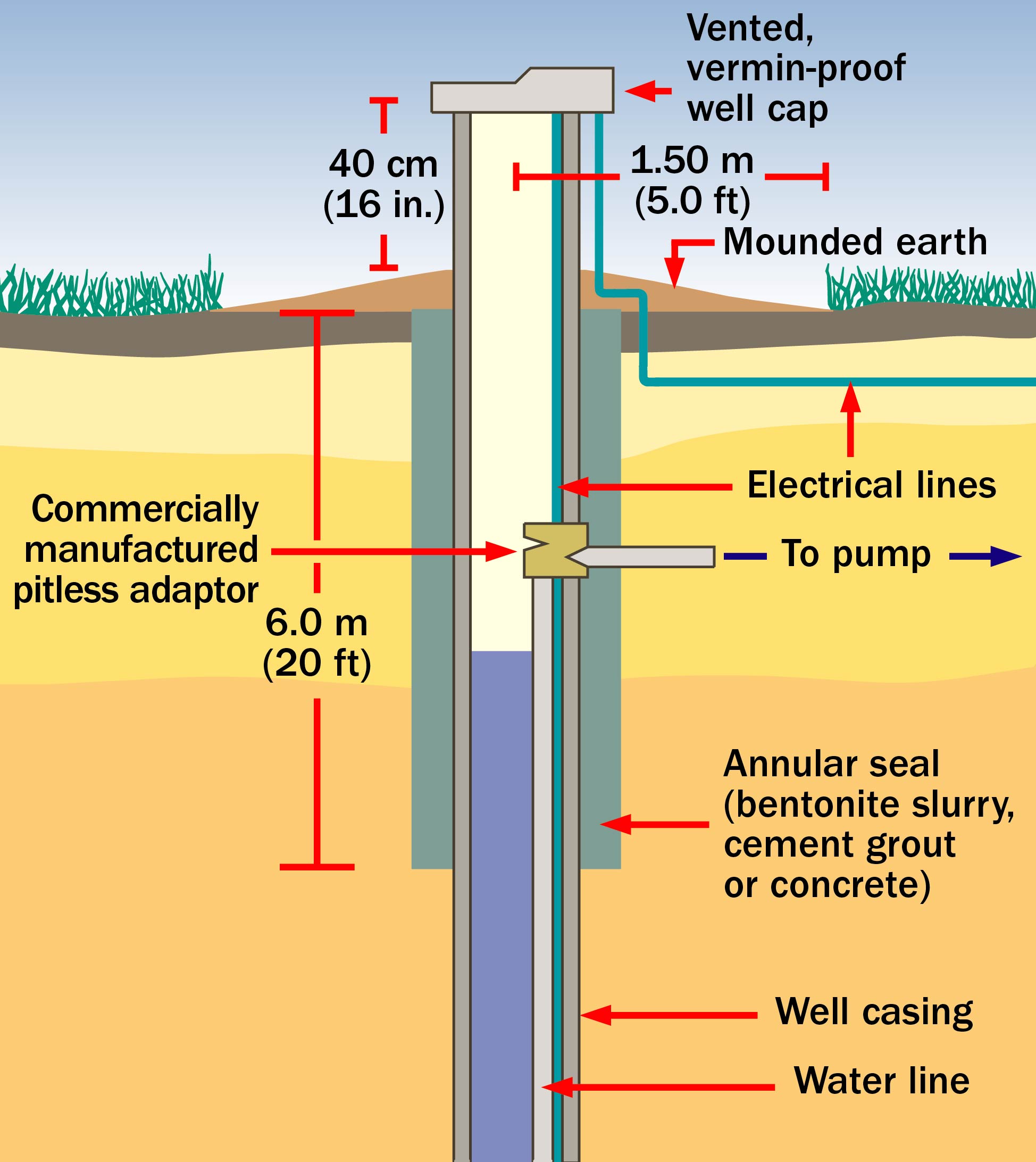
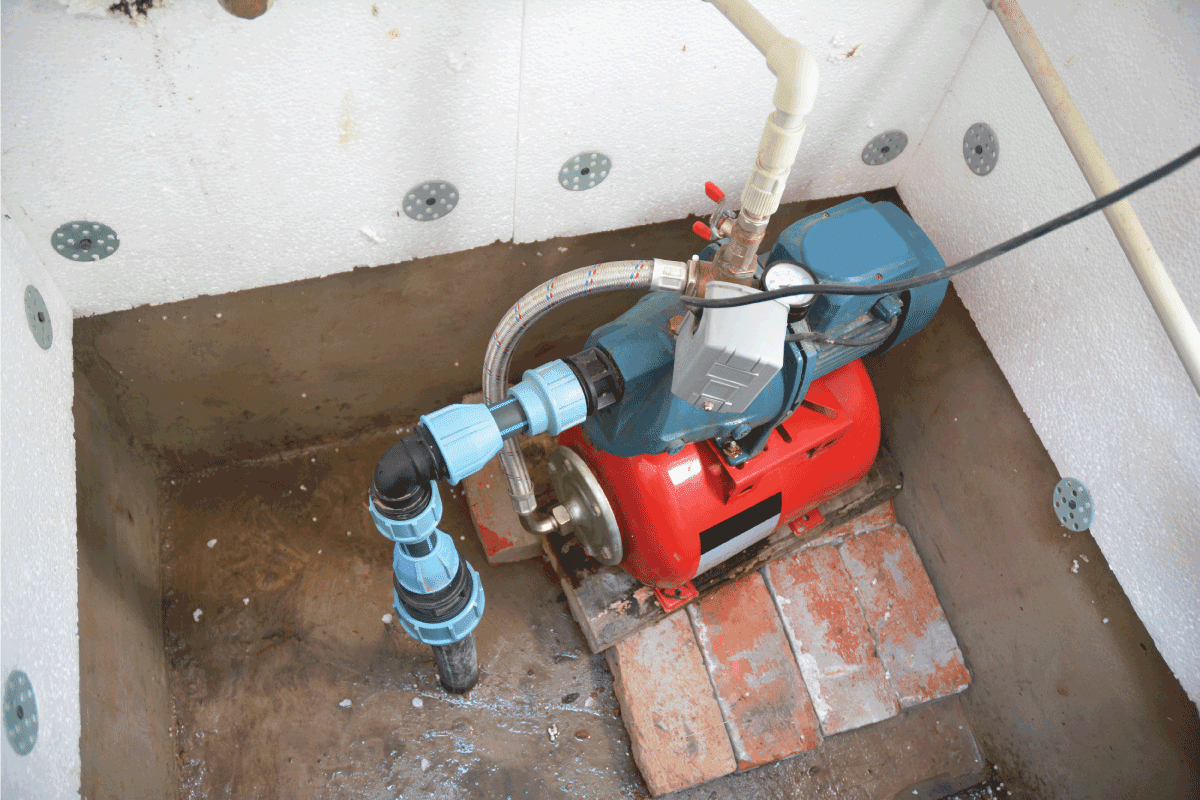
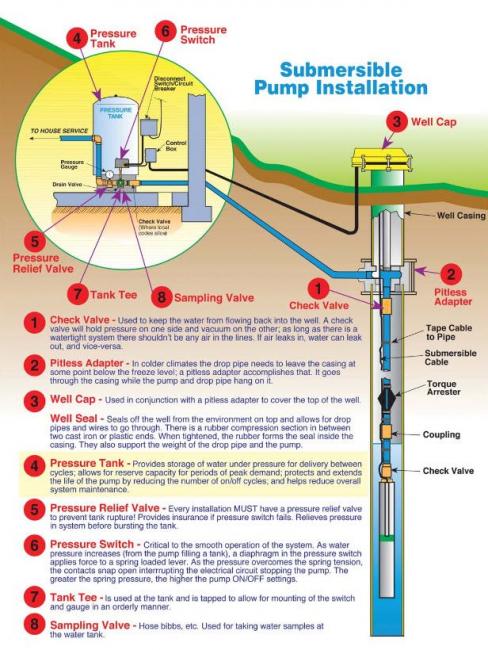
At its core, your well pump is a powerful machine designed to draw water from your well and push it into a pressure tank. This tank acts like a battery for your water system. It stores water under pressure, so when you turn on a faucet, you get instant flow without the pump needing to kick on every single time. The pump then runs to refill the tank and build the pressure back up to a set point, before happily switching off until the pressure drops again.
So, the "how long" question really boils down to how much work the pump needs to do to get that pressure tank topped up.
Factors That Dictate the Dance
Several elements influence your pump's run time. Understanding these can help you appreciate its rhythm:
Your Pressure Tank Size: This is arguably the biggest player. A larger pressure tank holds more water, meaning your pump will run for a longer period to fill it, but it will do so less frequently. A smaller tank means shorter, more frequent cycles. Think of it like a coffee maker: a bigger carafe takes longer to brew but serves more cups before needing a refill.
Your Water Usage: This one’s a no-brainer. Taking a quick hand wash vs. filling a bathtub, running the dishwasher, or watering the garden will obviously demand different pump run times. The more water you use, the longer the pump runs to replenish the system.
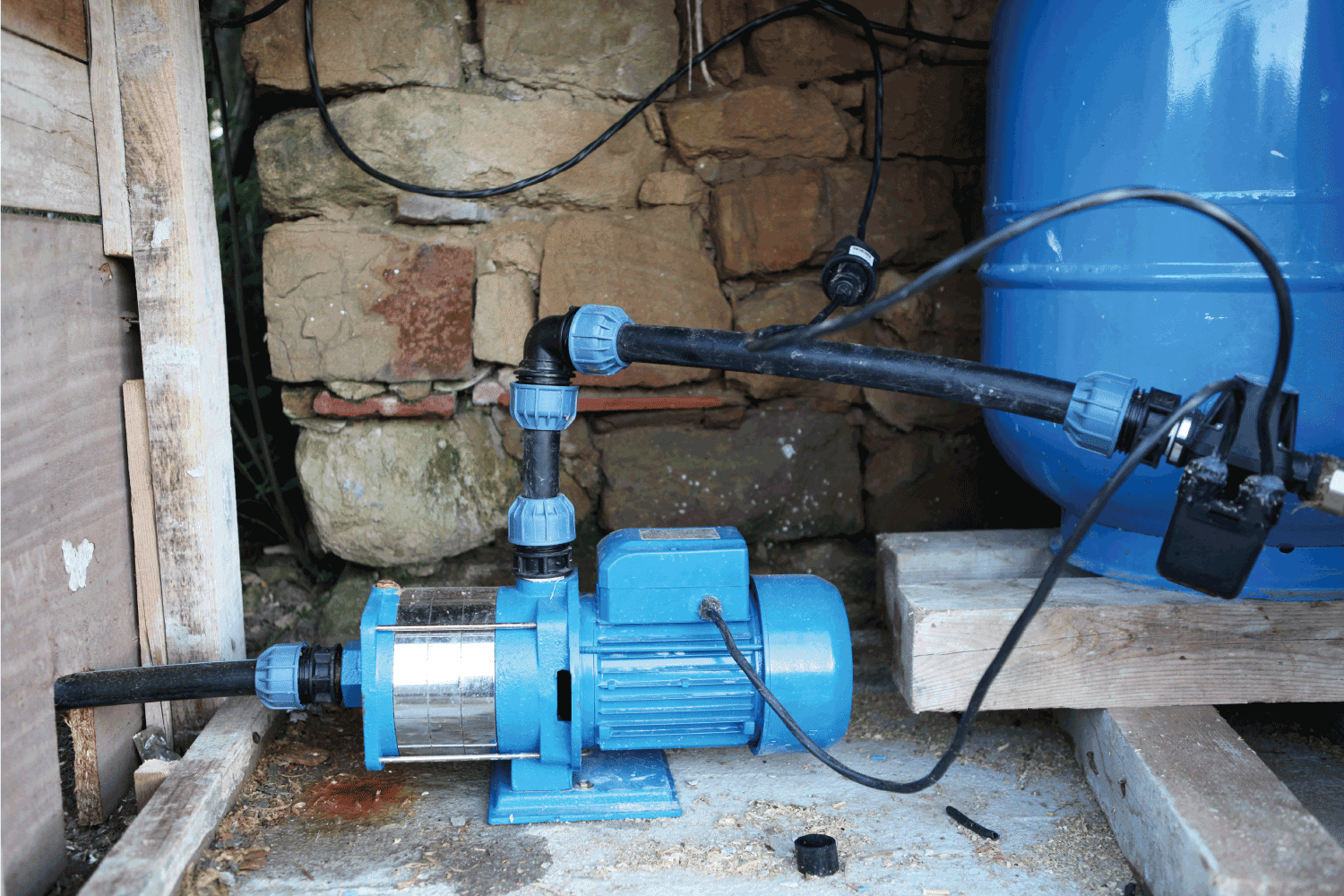
Well Depth & Pump Strength: A deeper well requires the pump to work harder and often longer to bring water to the surface. Similarly, a weaker or older pump might take longer to achieve the desired pressure.
Household Size & Habits: A bustling household with multiple showers and laundry cycles will naturally see the pump running more often and potentially for longer stretches than a single-person dwelling.
System Efficiency (or Lack Thereof): Believe it or not, even a tiny leak in your plumbing can cause your pump to run more often than it should. It’s constantly trying to maintain pressure in a system that’s slowly losing it – like trying to fill a bucket with a small hole.
The Goldilocks Zone: What's "Just Right"?
Generally, for common household tasks like flushing a toilet, running a faucet for a minute, or even a quick shower, your well pump might run anywhere from 30 seconds to a few minutes. For high-demand tasks like filling a large bathtub or a washing machine cycle, it could easily run for 5 to 15 minutes, or even longer if it’s an older, slower system.
The key isn't a fixed duration, but rather the frequency and consistency. A healthy pump system experiences cycles that are long enough to properly fill the tank and build pressure, but not so long that it's running constantly without demand, nor so short that it’s rapidly cycling on and off every few seconds.
Red Flags: When Your Pump is Sending an SOS!
While variation is normal, certain behaviors are big indicators that something isn’t quite right:
- Rapid Short Cycling: If your pump is turning on and off every few seconds, even when only a small amount of water is being used (or none at all!), this is a major red flag. Often, it points to a problem with your pressure tank (like a loss of air charge). This behavior is incredibly stressful on your pump and will shorten its lifespan.
- Pump Running Constantly: If your pump never seems to shut off, even when no water is being drawn, this is another serious issue. It could indicate a significant leak somewhere in your system or a failing pump.
- Unusual Noises: Grinding, banging, or whining sounds from your pump are never a good sign.
- Fluctuating Water Pressure: If your water pressure constantly surges and then drops, your pump might be struggling to maintain consistent pressure.
Practical Tips for a Harmonious Home
Want to keep your well pump humming happily for years to come?
- Listen and Learn: Get to know the normal sounds and run times of your pump. This helps you spot when something's off.
- Check Your Pressure Tank: Periodically, check the air pressure in your tank (when the pump is off and the system is drained). This is often a DIY task, but if unsure, call a pro.
- Be Water Wise: Conserving water isn't just good for the planet; it reduces the workload on your pump, extending its life.
- Regular Check-ups: Schedule professional maintenance every few years. Just like your car needs a tune-up, your well system benefits from expert eyes.
It’s truly fascinating to think about the journey of water from deep within the earth to your morning shower. Your well pump is an often-overlooked marvel of modern living, quietly ensuring comfort and convenience. By understanding its rhythm and giving it a little mindful attention, you can ensure it continues its vital work, one refreshing drop at a time, keeping your home’s hydration symphony perfectly in tune.