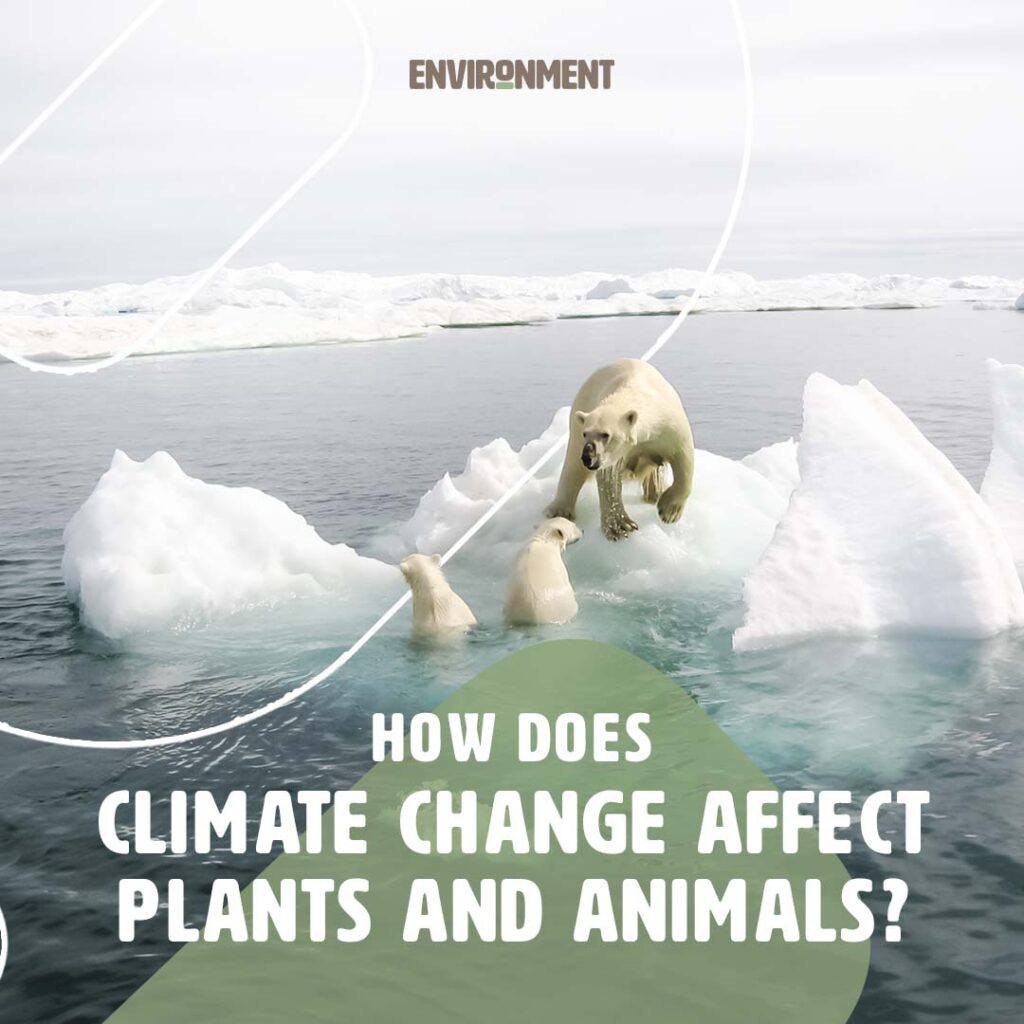
Climate change can sound like a big, distant concept, often discussed in scientific papers or dramatic documentaries. But here’s the thing: it’s not just about faraway melting ice caps or polar bears (though they're important too!). It’s quietly, and sometimes not-so-quietly, weaving its way into the fabric of our everyday lives, from your morning coffee to your weekend plans. Let’s unpack how these shifts are subtly re-shaping our world, right where we live.
Weather Whiplash & Outdoor Adventures
Ever noticed how spring feels a bit... different? Or how those summer heatwaves seem to be hitting harder and sticking around longer? That's climate change flexing its muscles in our local forecasts. We're seeing more extreme weather events – think intense storms that appear out of nowhere, unexpected droughts that bake your lawn, and those scorching heat domes that make you question your life choices without AC.
What does this mean for your perfectly planned picnic? It might get rained out by an unexpected downpour. Your beloved garden might need extra TLC during a dry spell, or your commute could turn into a soggy adventure. It’s all about unpredictability.
Practical Tip: Stay hydrated, especially when the mercury climbs. Keep a close eye on local weather alerts and plan your outdoor activities accordingly. Invest in a good reusable water bottle – it's stylish and practical!
Fun Fact: Did you know that some regions are experiencing "atmospheric rivers" – super-high concentrations of moisture in the sky that can lead to massive rainfall and flooding? Sounds like something out of a sci-fi movie, right?
Our Plates & Wallets
From your morning oat latte to your evening stir-fry, climate change is quietly influencing what ends up on your plate and how much it costs. Shifting weather patterns impact crop yields, making staples like coffee, chocolate, and even your beloved avocado toast more susceptible to price hikes and supply chain disruptions.
Ever seen empty shelves where your favorite seasonal fruit used to be? Or noticed the price of your coffee beans creeping up? That's the ripple effect. Extreme weather, new pests, and water scarcity directly affect farmers globally, and those costs inevitably find their way to your grocery cart.
Practical Tip: Consider shopping local and seasonal where possible – it supports your community and often reduces the carbon footprint of your food. Try new recipes with more resilient, locally grown ingredients. And hey, reduce food waste! Every bit counts.
Fun Fact: Climate models suggest that ideal coffee-growing regions could shrink significantly by 2050, potentially making that artisanal pour-over an even more coveted luxury!

Health & Well-being
It’s not just about physical health; our overall well-being is also on the front lines. Warmer temperatures can mean longer and more intense allergy seasons (hello, itchy eyes!). Air quality can dip during heatwaves or due to increased wildfires, leading to respiratory issues. And let’s not forget the emotional toll – sometimes dubbed eco-anxiety – feeling overwhelmed by the scale of it all.
Are you sneezing more often? Feeling a bit sluggish when the air quality is poor? Noticing mosquitoes buzzing around earlier in the year? These are all subtle indicators that the environment around us is changing, and so are its effects on our bodies.
Practical Tip: Check local air quality reports before your morning run. If you suffer from allergies, stay proactive with medication during peak seasons. And for eco-anxiety, remember to focus on what you can control, connect with nature (safely!), and engage in positive action.

Fun Fact: Mosquitoes, which can carry diseases like West Nile virus, are expanding their ranges to areas that were previously too cold for them thanks to warming temperatures. Talk about unwelcome guests!
Little Luxuries & Big Dreams
That dream trip to a pristine beach or a snowy mountain resort? Climate change might be altering those very landscapes. Coral reefs, vital ecosystems and stunning tourist attractions, are vulnerable to ocean warming and acidification, leading to coral bleaching. Ski seasons are shortening in many areas, changing the face of winter sports as we know them.
Your perfect snorkeling spot might be less vibrant. Your annual ski trip could be jeopardized by lack of natural snow. Even the fashion industry feels the pinch, with raw material sourcing and production affected by environmental shifts and resource scarcity.

Practical Tip: When planning travel, consider sustainable tourism options. Look for eco-friendly accommodations and support local conservation efforts. Every choice, from your clothing to your vacation, has an impact. Make it a positive one where you can.
Fun Fact: Venice, the iconic "Floating City," is experiencing more frequent and severe floods (acqua alta), threatening its historic architecture and unique way of life. It's a stark reminder of coastal vulnerabilities worldwide.
So, what does all this mean for us, beyond the headlines and scientific jargon? It means being more observant, more adaptable, and perhaps, a little more intentional in our daily routines. It's about recognizing that our choices, big and small, are part of a larger interconnected web. From deciding what to eat for dinner to how we plan our weekend adventure, understanding these shifts allows us to navigate our changing world with greater awareness and, dare we say, a touch more grace. It's about finding agency in awareness and living thoughtfully in a world that's always evolving.