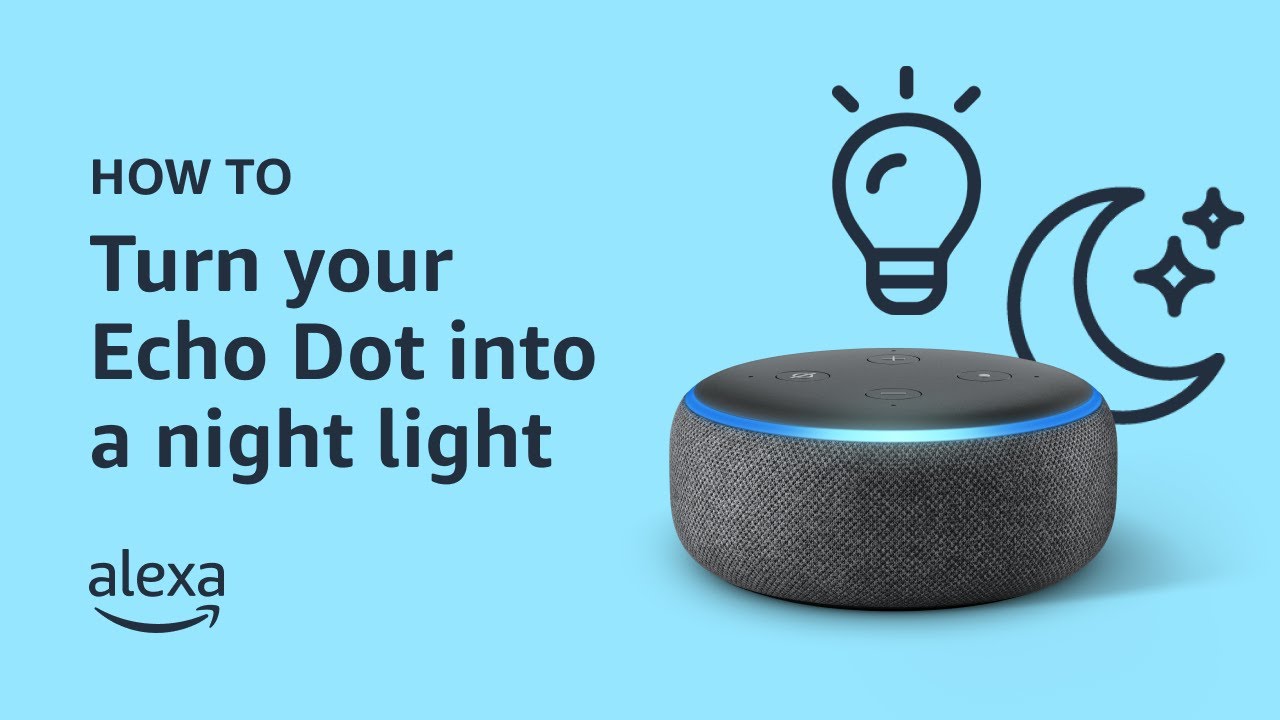
Imagine this: you walk into a dark room, hands full of groceries, or maybe you're just tucked snugly in bed. Instead of fumbling for a switch, you simply say, "Alexa, turn on the lights!" And poof – there's light! It feels like magic, right? This everyday marvel has transformed how we interact with our homes, making life a little easier, a lot cooler, and definitely more fun. It’s no wonder smart home technology, and particularly voice-controlled lighting, has become so popular. But how does this little cylindrical wizard actually pull off such a seemingly simple trick? Let's peel back the curtain and uncover the delightful tech behind Alexa's light-flipping prowess.
The purpose is clear: ultimate convenience. No more stumbling in the dark or leaving a warm bed just to hit a switch. The benefits extend beyond mere laziness (though that's a valid one!). Smart lighting, powered by Alexa, offers incredible accessibility for those with mobility challenges, enhances security by automating lights when you're away, and can even save energy by allowing you to easily dim lights or turn them off remotely. It's about creating a more responsive, efficient, and personalized living space, giving you effortless control over your environment.
So, you utter your command. First, your Amazon Echo device, whether it's an Echo Dot or an Echo Show, is constantly listening for its wake word ("Alexa," "Echo," etc.). Once it hears it, it records your voice command. This audio snippet isn't processed locally; instead, it's immediately sent over your home Wi-Fi network to Amazon's secure cloud servers. Think of these servers as Alexa's super-smart brain! This is where the real "thinking" happens, far away from your living room.
In the cloud, sophisticated speech recognition software converts your spoken words into text. Then, natural language processing (NLP) algorithms analyze that text to understand your intent. When you say "turn on the lights," Alexa figures out you mean a lighting action and identifies the specific device or group of devices ("lights"). Once it fully comprehends your instruction, it sends a specific command back through the internet, tailored to control your smart home devices.
But how does that instruction reach the actual light bulb? This is where your smart light bulb or smart switch comes in. These aren't your average bulbs; they have their own tiny computers and radios built-in. The instruction from Alexa's cloud travels to the specific server of your light bulb's manufacturer (e.g., Philips Hue, GE Cync). That server then sends the command to your bulb, either directly via your home Wi-Fi, or more commonly, through a smart home hub (like a Philips Hue Bridge) that uses a special low-power radio signal like Zigbee or Z-Wave to communicate with the lights. This hub acts as a translator between your Wi-Fi network and your smart lights. And just like that, light appears!
From your lips to Alexa's ears, through the vastness of the internet and into a tiny chip in your light bulb – it’s a remarkably complex yet incredibly seamless dance of technology. The next time you effortlessly brighten a room with a simple voice command, take a moment to appreciate the invisible symphony of data, algorithms, and radio waves working tirelessly to make your life just a little bit brighter. It’s not magic, but it certainly feels like it, transforming our homes into truly intelligent spaces, one light at a time.