Ever marvel at the intricate circuitry inside your favorite gadgets? Or perhaps you've dreamed of repairing a broken electronic device, or even building your own robot from scratch? Behind much of this electronic magic lies a surprisingly simple yet incredibly powerful tool: the soldering iron. It's not just for engineers in labs; it's a gateway to a world of DIY repairs, creative projects, and a deeper understanding of how the electronic world hums!
So, what exactly does a soldering iron do? At its heart, it helps you create permanent electrical connections. Think of it like a super-precise, electrically conductive glue gun, but instead of plastic, it melts a special metal alloy called solder. This allows you to securely join wires to circuit boards, attach tiny components, and ensure that electricity flows reliably where it needs to go. Without soldering, our modern electronic devices would be far less robust and much harder to assemble.
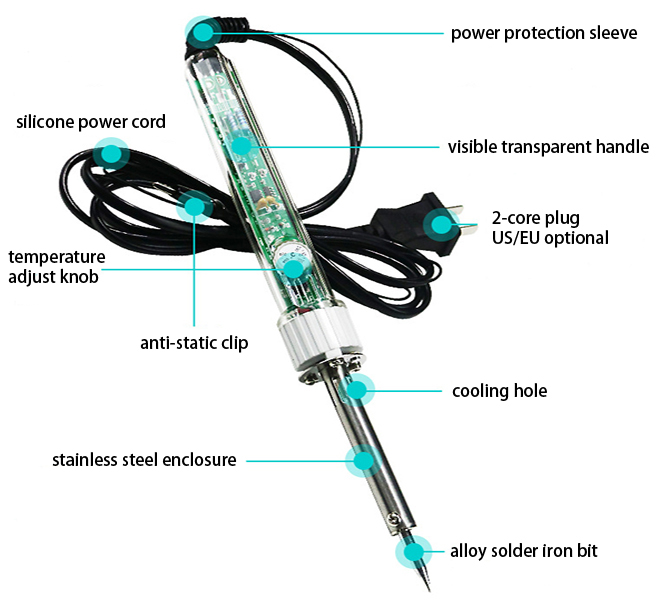
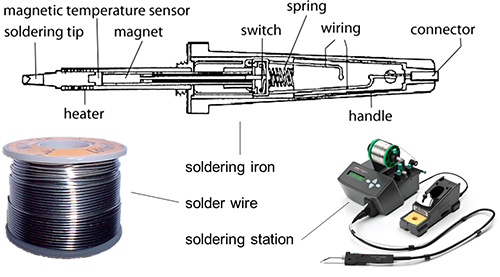
But how does this clever little tool manage to melt metal? The secret lies in a component called a heating element, typically found within the handle or shaft of the iron. When you plug in your soldering iron (or switch on your soldering station), electricity flows through this element, which is usually made from a material like nichrome wire. As current passes through it, the element resists the flow of electricity, generating intense heat – often reaching temperatures between 350°C and 450°C (660°F to 840°F)!
This heat is then efficiently transferred to the iron's tip, which is usually made of copper and coated with iron for durability. When you touch this hot tip to a joint you want to connect, along with a piece of solder, the magic happens. The heat melts the solder, turning it into a molten, silvery liquid. Thanks to a phenomenon called capillary action (like water climbing a thin tube), this liquid solder is drawn into the tiny gaps between the components you're joining. As soon as you remove the soldering iron, the solder rapidly cools and solidifies, creating a strong electrical and mechanical bond that can last for years.

There are various types of soldering irons, from simple pencil-style irons perfect for beginners, to powerful soldering guns for heavier work, and advanced soldering stations that offer precise temperature control. No matter the type, the principle remains the same: controlled heat to melt solder. It's a fundamental skill for anyone interested in electronics, whether you're fixing a loose headphone jack, building a custom keyboard, or even crafting intricate jewelry. Just remember to always work in a well-ventilated area and use a sturdy iron stand – safety first!
Learning to solder is incredibly rewarding. It demystifies the inner workings of our electronic world and empowers you to create, repair, and innovate. So next time you see a circuit board, remember the humble soldering iron, the unsung hero that meticulously weaves the tapestry of our digital lives, one molten joint at a time. Grab one, and start your own electronic adventure!