Picture this: It's the dead of winter, the kind where your nose hairs freeze just thinking about going outside. You've battled the elements, maybe scraped ice off your car (again!), and all you want is that glorious, soul-soothing warmth of your home. You step inside, shiver, maybe rub your hands together, and then… bam! That gentle, enveloping heat starts to kick in. Ahh, pure bliss, right?
But have you ever paused, mid-thaw, and actually wondered, "How on earth does this magic happen?" It's not just a thermostat setting; there's a whole silent operation happening behind the scenes. And trust me, once you understand it, you'll appreciate that cozy warmth even more. So, grab a warm drink, and let's unravel the mystery of how a heater works in your house.
At its core, all heating systems are just really good at one thing: moving heat. Or, more accurately, creating heat and then distributing it. Think of it like taking the chill out of the air and replacing it with a big, warm hug. The goal is always the same: make your toes happy.
The Granddaddy: Forced-Air Furnaces
Most homes, especially in North America, rely on a forced-air furnace. If you have vents on the floor or ceiling blowing warm air, you've got one of these bad boys. It's like the MVP of home heating.
Here’s the breakdown:
1. The Call to Action: It all starts with your thermostat. You set it to a comfy temperature (say, 70°F), and when the room dips below that, the thermostat signals: "Hey furnace, time to warm things up!"

2. Fueling the Fire: The furnace ignites its fuel – usually natural gas, propane, or oil. Electric furnaces use large heating elements, like giant toaster coils, to heat up.
3. The Heat Exchanger's Hug: The flame heats a component called the heat exchanger. Crucially, your breathable air never touches the flame. The heat exchanger just gets super hot, acting as a transfer point.
4. Blowing Hot Air: A powerful blower fan pulls cool air from your home (through return vents), pushes it over that hot heat exchanger, and voilà! Cool air becomes lovely, warm air.
5. The Warmth Journey: This heated air is then pushed through a network of ducts and out into your rooms through supply vents. It’s a continuous, cozy loop! (Don't forget to change those filters, by the way; a clean filter means better airflow and efficiency.)
The Hydronic Hero: Boilers and Radiators
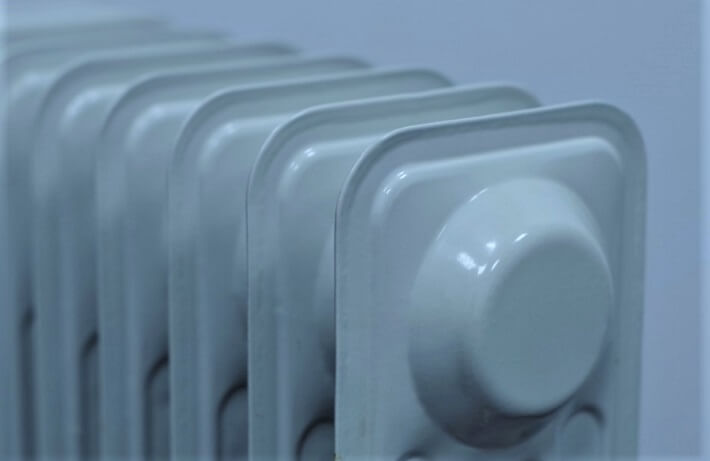
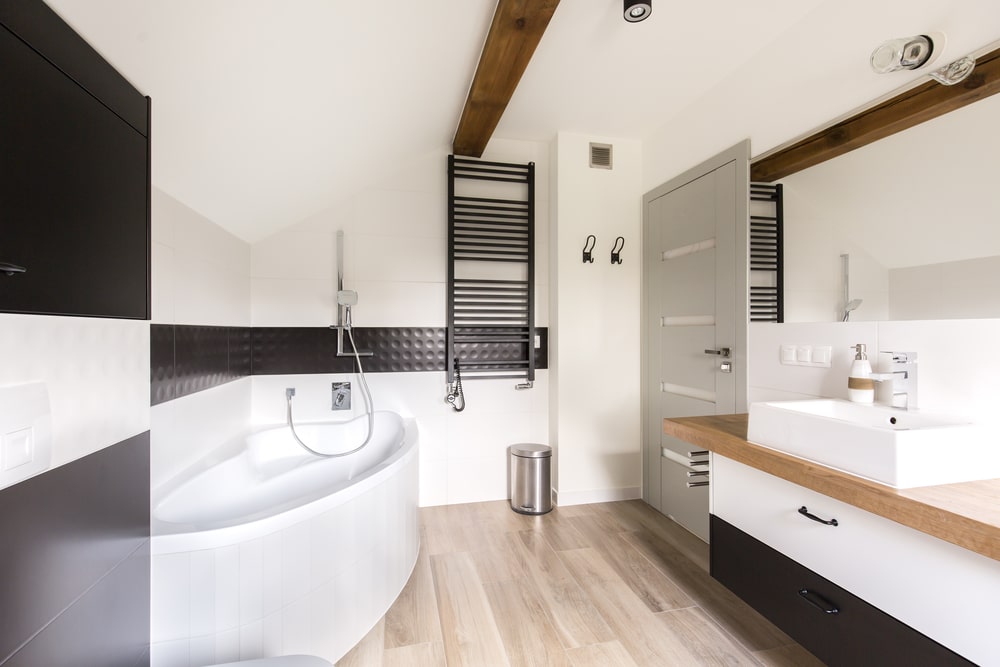
If you have clunky-yet-charming radiators or baseboard heaters, you likely have a boiler system. These are all about water (or sometimes steam) and a different kind of warmth – often a very even, radiant heat.
Here's how they work their magic:
1. Water, Water, Everywhere: A boiler heats water using a gas or oil burner, or electric elements.

2. Circulation Station: Once the water is hot, a pump pushes it through pipes to your radiators, baseboard heaters, or even radiant floor tubing.
3. Radiant Warmth: These devices get hot and radiate heat into the room. It’s a gentler, more pervasive warmth than forced air. Ever lean against a warm radiator on a cold day? Bliss.
4. The Return Trip: As the water gives off its heat, it cools and flows back to the boiler to be reheated. For steam systems, water is boiled to create steam that rises to radiators, condenses back to water, then returns to the boiler. Pretty clever, right?
The Simple Sizzlers: Electric Baseboard and Space Heaters
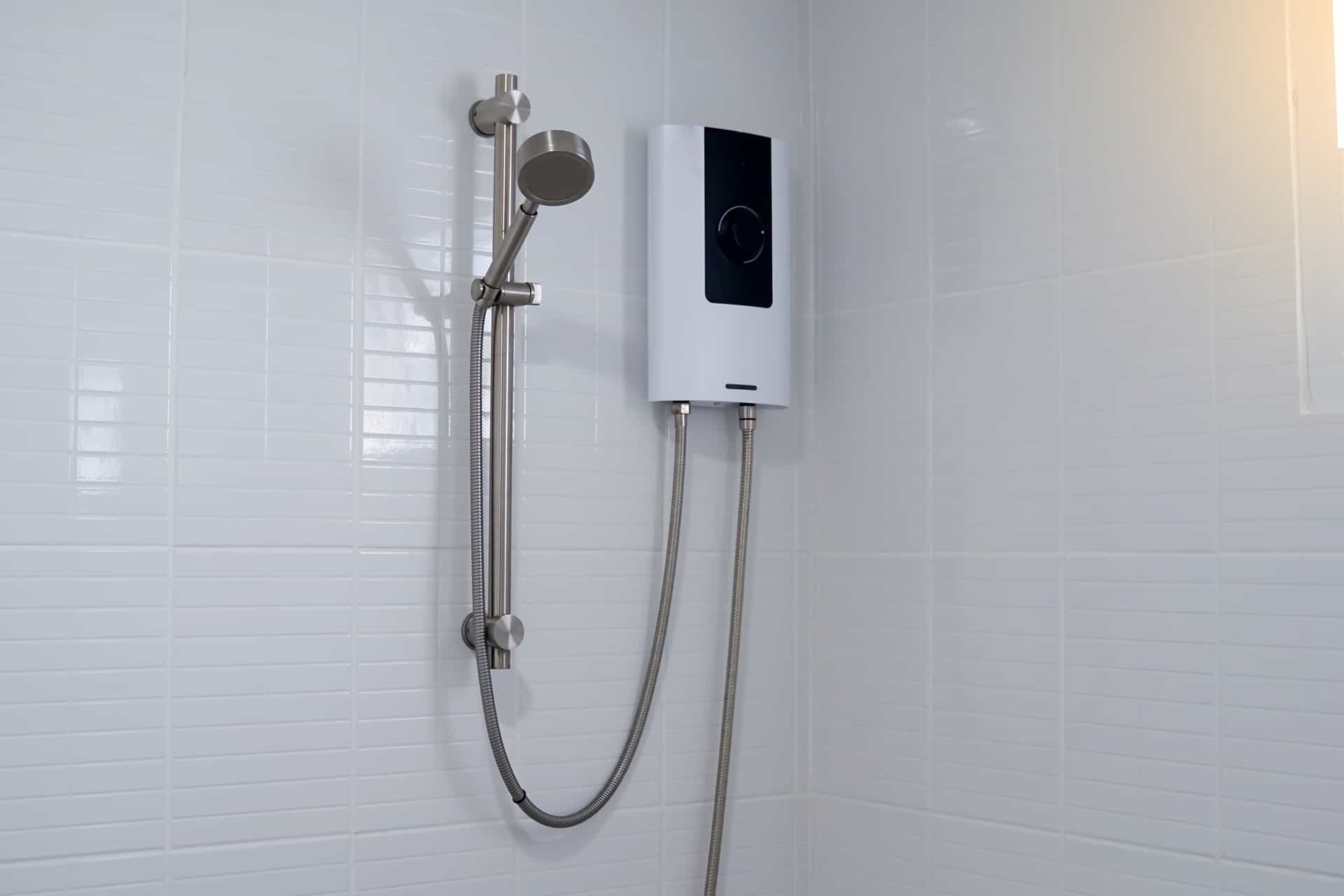
These are the straightforward guys. No ducts, no fancy water circulation, just pure, unadulterated electric resistance.
Basically, electricity passes through a resistive material (like a special wire coil). This material resists the flow of electricity, and that resistance generates heat. Think of an old incandescent light bulb or a toaster – same principle, just scaled up. They’re great for supplemental heat, but can be energy-hungry for whole-house heating.
The Brains of the Operation: The Thermostat
No matter the system, the thermostat is the conductor of this warm orchestra. It's your personal comfort commander.
Modern thermostats are pretty smart. They constantly monitor room temperature. When it drops below your desired setting, they signal your furnace or boiler to kick on. Once the temperature reaches your target, they tell the system to power down. Some even learn your habits or let you control them from your phone – talk about living in the future!
So, the next time you're snuggled up on the couch, basking in your home's warmth, take a moment to appreciate the unsung hero working tirelessly to keep you toasty. Whether it's a roaring furnace, a silent boiler, or a simple electric heater, understanding how it works makes that warmth feel even more comforting, doesn't it? Stay warm out there!