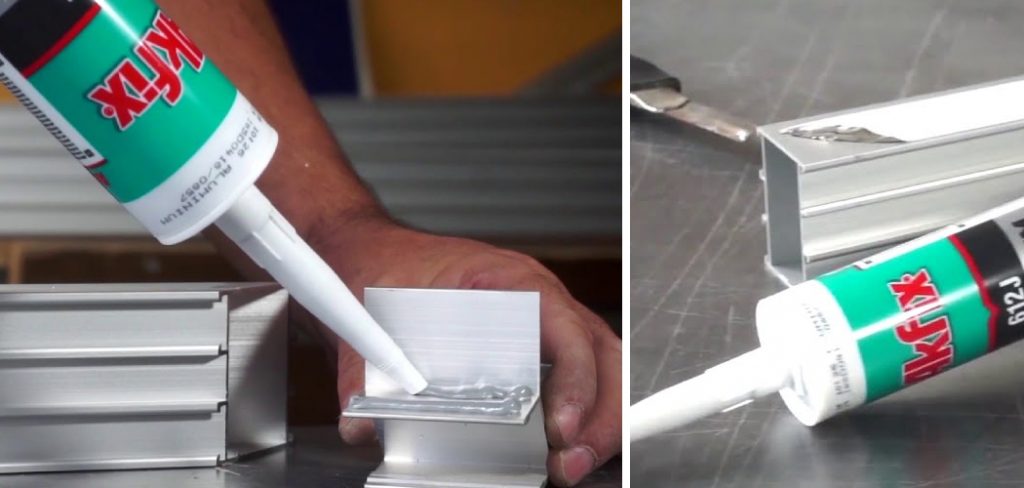
Alright, so you wanna stick some metal together? Like, with glue? I know, I know, it sounds a little… bonkers, right? We usually think of welding, or bolts, or maybe even those little tiny screws that somehow always manage to roll under the heaviest piece of furniture you own. But glue? For metal? Oh, honey, let me tell you, it's totally a thing. And it's actually pretty cool.
Imagine you've got a dinky little bracket that broke, or a decorative piece that snapped off your favorite lamp. You don't exactly wanna fire up a welding torch in your living room, do you? (Unless you're into that kind of extreme DIY, in which case, hats off to you!) This is where our sticky friends come in. Gluing metal can be surprisingly strong, super convenient, and way less intimidating than learning to arc weld. Plus, no sparks! Always a win in my book.
The Absolute #1 Secret (Spoiler: It's Not The Glue Itself!)
Okay, listen up, because this is the most important part. Seriously. You can buy the most industrial-strength, space-age adhesive known to humankind, but if you skip this step, it's gonna fail faster than my New Year's resolutions. The secret, my friend, is surface preparation.
Think about it: you want that glue to really grab on, right? Like a tiny, microscopic octopus with a death grip. It can't do that if the metal is greasy, dirty, rusty, or just generally having a bad day. So, before you even think about squeezing that tube, you gotta get those surfaces pristine.
- Clean it: Grab some degreaser – rubbing alcohol, acetone, or even just some good old soap and water (make sure to rinse super well!). Get rid of all that oil, grime, and general life gunk. The cleaner, the better. No fingerprints, please!
- Rough it up: This might sound counter-intuitive, but smooth metal is actually harder for glue to stick to. Take some sandpaper (a coarser grit, like 80-120), or even a wire brush, and just give the bonding areas a good scratch. You're creating little valleys and peaks for the glue to sink its teeth into. Maximum grip!
- Wipe again: After sanding, you'll have dust. Wipe that dust away with a clean cloth and a bit more degreaser. We want nothing between our glue and our squeaky-clean, roughed-up metal.
Alright, Now About The Glue!
So you've prepped your metal like a pro. What sticky goodness do you reach for? Here are the usual suspects for metal-on-metal action:
Epoxy Adhesives: The Heavy Hitters
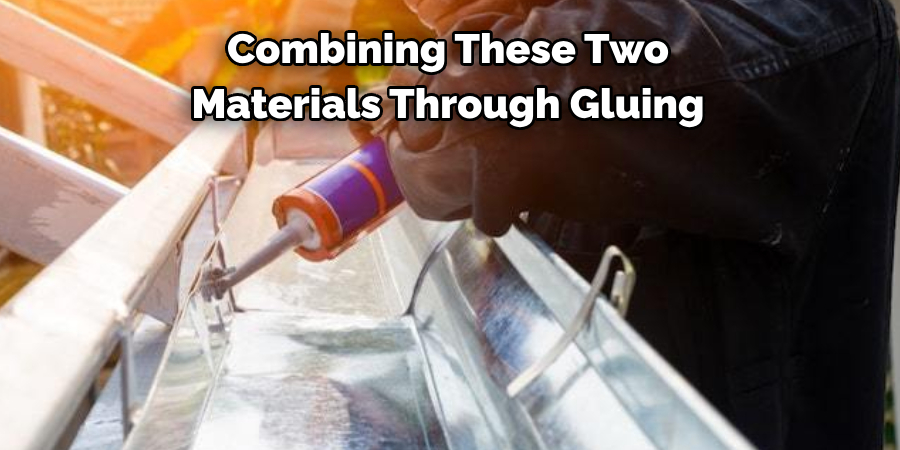
If you want something seriously strong, something that can hold up to a bit of stress, epoxy is your BFF. This isn't your average Elmer's, folks. Epoxy usually comes in two parts – a resin and a hardener. You squeeze 'em out, mix 'em up (super important to mix thoroughly!), and then apply. The chemical reaction that happens when they combine creates a bond that's just… chef's kiss. It's great for filling gaps too, which is a bonus if your broken bit isn't perfectly flush. Just remember, once you mix it, you're on the clock. So work relatively fast!
Cyanoacrylate (AKA Super Glue): For Quick Fixes, Not Lifesavers
Ah, super glue. The hero of every minor finger-related emergency. Yes, you can use super glue on metal, especially for tiny, lightweight things. It bonds super fast, which is handy. But here's the kicker: it's often quite brittle once dry. So, for anything that might experience a bump, a jiggle, or a bit of torque, super glue might just go "snap!" and betray you. Think of it as a temporary fix, or for joining parts that are more decorative than structural. It's like the flashy, unreliable friend of the adhesive world.

Polyurethane (PU) Adhesives & Construction Adhesives: The All-Rounders
Sometimes you might find yourself reaching for a polyurethane-based adhesive, especially if you're joining metal to something else – like wood or concrete. These are often more flexible than epoxy once cured, which can be great if the parts need a little give. Many construction adhesives fall into this category. They're good, robust options for bigger, less precise jobs.
Methyl Methacrylate (MMA): The Industrial Strength Boss
If you're getting serious, like really serious, you might stumble upon MMA adhesives. These are often used in automotive or marine applications because they're incredibly strong, cure quickly, and have fantastic resistance to impact and chemicals. They're like epoxy's cooler, stronger, slightly more intimidating cousin. Might be overkill for your broken lamp, but good to know they exist!

Application Tips & Patience, Young Padawan
Okay, you've got your prepped metal and your chosen adhesive. Now what?
- Don't overdo it: A thin, even layer is usually better than a thick blob. Too much glue can actually weaken the bond. Think "just enough" not "the more the merrier."
- Clamp it, clamp it, clamp it!: This is crucial, especially for epoxy. You need to hold those pieces together while the glue cures. Clamps, tape, heavy books – whatever works. Consistent pressure helps create the strongest bond.
- Read the instructions: Seriously. Each glue is a little different. Curing times, mixing ratios, application methods – it's all on the package. Don't be a hero, just read it.
- Patience: Resist the urge to poke, prod, or test the bond too early. Most adhesives need time to fully cure, and that can range from minutes to 24 hours or even more. Give it the time it needs, and you'll be rewarded with a super strong bond.
- Safety first!: Good ventilation is always a smart move when working with adhesives. And maybe some gloves, because nobody likes sticky fingers (unless they're from a delicious donut, of course).
So there you have it! Gluing metal isn't just possible, it's a fantastic little trick to have in your DIY arsenal. With the right prep and the right glue, you can fix all sorts of metallic bits and bobs without breaking a sweat (or the bank). Go forth and stick things together, my friend! You got this!