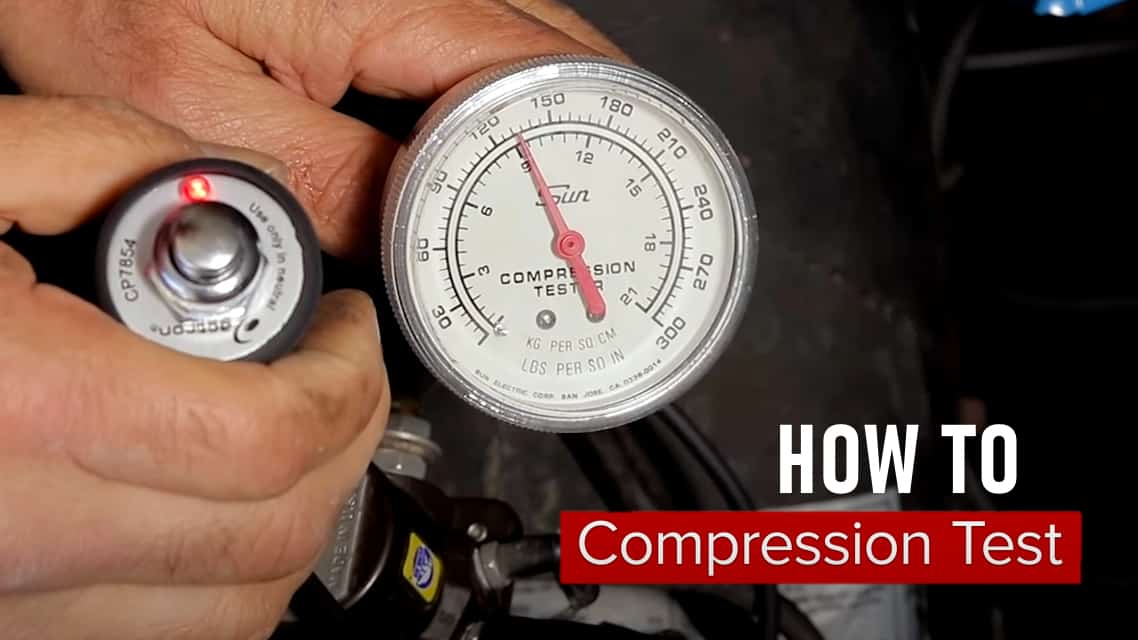
Ever feel like your car is having a bit of a grumble? Maybe it's lost its pep, or sounds a little… off? Well, my friend, it might be time to give its internal organs a quick check-up! Don't worry, we're not talking brain surgery here, but a compression test. It sounds super fancy, but it’s actually something you can totally do yourself. Think of it as peeking behind the curtain to see how your engine's cylinders are really doing. Ready to become a backyard automotive detective?
Why Bother with a Compression Test?
Imagine your engine as a bunch of tiny air pumps. Each cylinder sucks in air, squishes it (that's the compression part!), adds fuel, sparks it up, and then pushes out the exhaust. If one of those cylinders isn't squishing properly, your engine will feel sluggish, misfire, or just generally be a party pooper. A compression test helps you pinpoint which cylinder might be slacking off. It’s like taking your engine’s blood pressure – super useful for diagnosing all sorts of internal woes!
Gather Your Tools: Your Secret Agent Kit
You won't need a Bat-belt, but a few essentials will make this mission a breeze:
- Compression Tester Kit: This is your star player. You can rent one from most auto parts stores or buy a decent one for a surprisingly good price. It’ll have a gauge and various adapters.
- Spark Plug Socket & Ratchet: Specifically designed for those delicate spark plugs.
- Basic Wrench/Socket Set: For anything else that might need loosening.
- Battery Charger (Optional, but smart!): You'll be cranking the engine a bit, so keep that battery happy.
- Pen & Paper: To jot down those crucial numbers. Don't trust your memory – it's probably busy remembering meme captions.
- A Buddy (Optional, but highly recommended): For moral support, extra hands, and someone to laugh with when you inevitably drop a wrench.
Pre-Game Prep: The Engine Warm-Up and Safety Dance
Okay, let's get serious for a sec (but not too serious, we're still having fun!).

- Warm-Up Act: You want the engine to be at operating temperature – warm, but not so hot you're playing hot potato with your knuckles. A quick 10-15 minute drive should do the trick.
- Safety First, Friends: Disconnect the fuel pump relay or fuse! Seriously. We don't want fuel spraying everywhere while you're cranking. Check your owner's manual for its location.
- Spark-Free Zone: Next, disconnect the ignition coil wires or the spark plug wires. This prevents any accidental sparks, which would definitely put a damper on our fun.
- Plug Removal Party: Now, carefully remove all the spark plugs. Take your time, don't cross-thread them on removal, and keep them organized so you know which one came from where.
- Throttle Wide Open: This is important! You need to hold the accelerator pedal all the way to the floor. This fully opens the throttle plate, allowing maximum airflow into the cylinders for an accurate reading. If you have an electronic throttle, this might be all you need to do to disable the fuel injectors.
Let the Testing Begin!
Alright, showtime! You're ready to get those numbers.
- First Cylinder Up: Pick a cylinder, any cylinder! Thread the compression tester's hose or adapter firmly into its spark plug hole. Hand-tighten it first, then give it a little snug with a wrench – but don't overtighten and strip anything!
- Crank It Up! Get your buddy to crank the engine for about 5-7 seconds, or until the needle on the gauge stops climbing. Don't be shy!
- Record & Release: Note down the highest reading you get for that cylinder. Then, use the pressure release button on the tester to bring the needle back to zero.
- Repeat, Repeat, Repeat: Move the tester to the next cylinder and do it all again. Go through every single cylinder, meticulously recording each one. Consistency is key!
Decoding the Mystery: What Do the Numbers Mean?
You've got a list of numbers – now what? Here’s the secret decoder ring:

- Consistency is King: All your readings should be fairly close to each other. Generally, you want them within 10-15% of the highest reading. If your highest is 150 PSI, then nothing should be below 127.5 PSI.
- Low Readings: If one cylinder is significantly lower than the others, you've found your culprit! A low reading could mean worn piston rings, burnt valves, or even a leaky head gasket.
- The "Wet Test" Trick: If a cylinder is low, try adding a tiny teaspoon of engine oil into that spark plug hole, then retest it. If the compression goes up significantly, it points to worn piston rings (the oil temporarily seals them). If it stays low, it's more likely a valve issue or a leaky head gasket. You're basically a car doctor now!
The Grand Finale: Reassembly & High Fives
Once you’ve got all your data, it's time to put everything back together. Carefully reinstall the spark plugs (don't overtighten!), reconnect the spark plug wires/coil packs, and – don't forget this! – put that fuel pump relay/fuse back where it belongs. Give yourself a pat on the back, because you just performed a genuine diagnostic test on your car!
See? That wasn't so scary, was it? You’ve just gained a superpower of understanding your engine a little better. You've saved yourself a potential trip to the mechanic (or at least armed yourself with knowledge before going), and that's a pretty awesome feeling. So go forth, intrepid DIYer, and keep those engines humming happily! You're brilliant!