Ever woken up in the morning, groggy and desperate for that sweet caffeine hit, only to find your phone charger cable has decided to reenact a scene from Medusa's Hair: The Tangled Years? You know the drill: twisting, untwisting, blindly fumbling behind the nightstand like you’re trying to disarm a tiny, rubbery bomb. It’s a universal struggle, a daily dance with the cable monster.
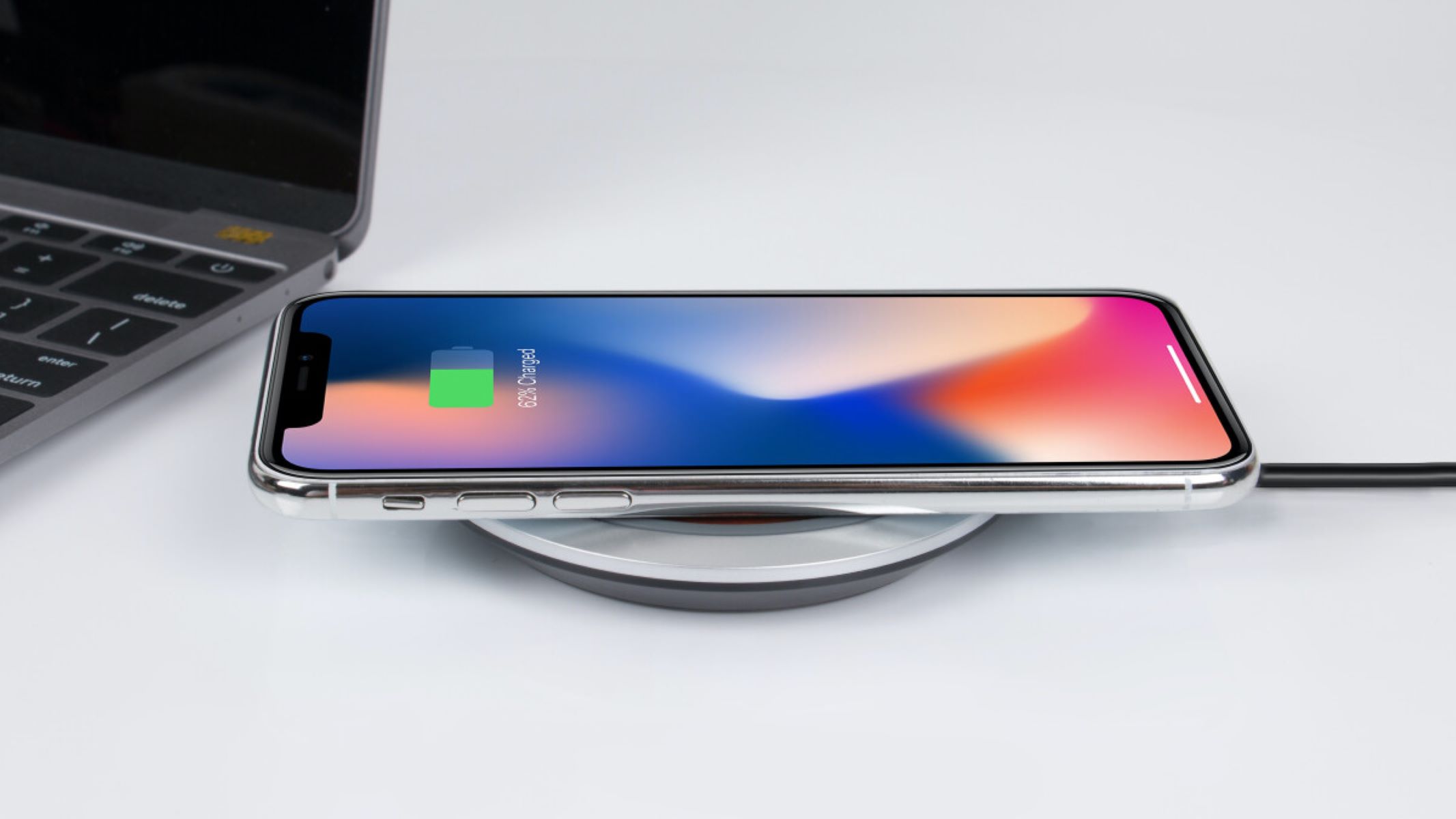
And then, you see it. That glorious, futuristic vision in a movie or a friend's super-neat apartment: they just plop their phone down, no fuss, no wires, and poof – it’s charging! It’s like magic, right? Or, at the very least, like some kind of secret handshake between your phone and the table. That’s wireless charging, and if you’re anything like me, your immediate thought probably was, "Can I make one of those myself?"
The Dream vs. The Reality (with a tiny spark of DIY hope)
My friend, that’s a fantastic question! The allure of building your own gadget, like a modern-day MacGyver, is strong. Imagining yourself soldering away, triumphantly placing your phone on your homemade charging pad, a single tear of pure inventor-joy rolling down your cheek… it’s a beautiful thought. But let’s be real for a second, much like trying to bake a soufflé after only watching one YouTube tutorial, it’s a bit more involved than just "connect the dots."
So, how does this sorcery work? At its heart, wireless charging, or more accurately, inductive charging, is like two friends whispering a secret across a table. One friend (your charging pad) creates a magnetic field, and the other friend (your phone) listens in, picks up the energy from that field, and turns it into electricity. It's essentially electromagnetic induction – a fancy term for electricity creating magnetism, and magnetism creating electricity. Pretty cool, huh?
For this little dance to happen, you need two main players:
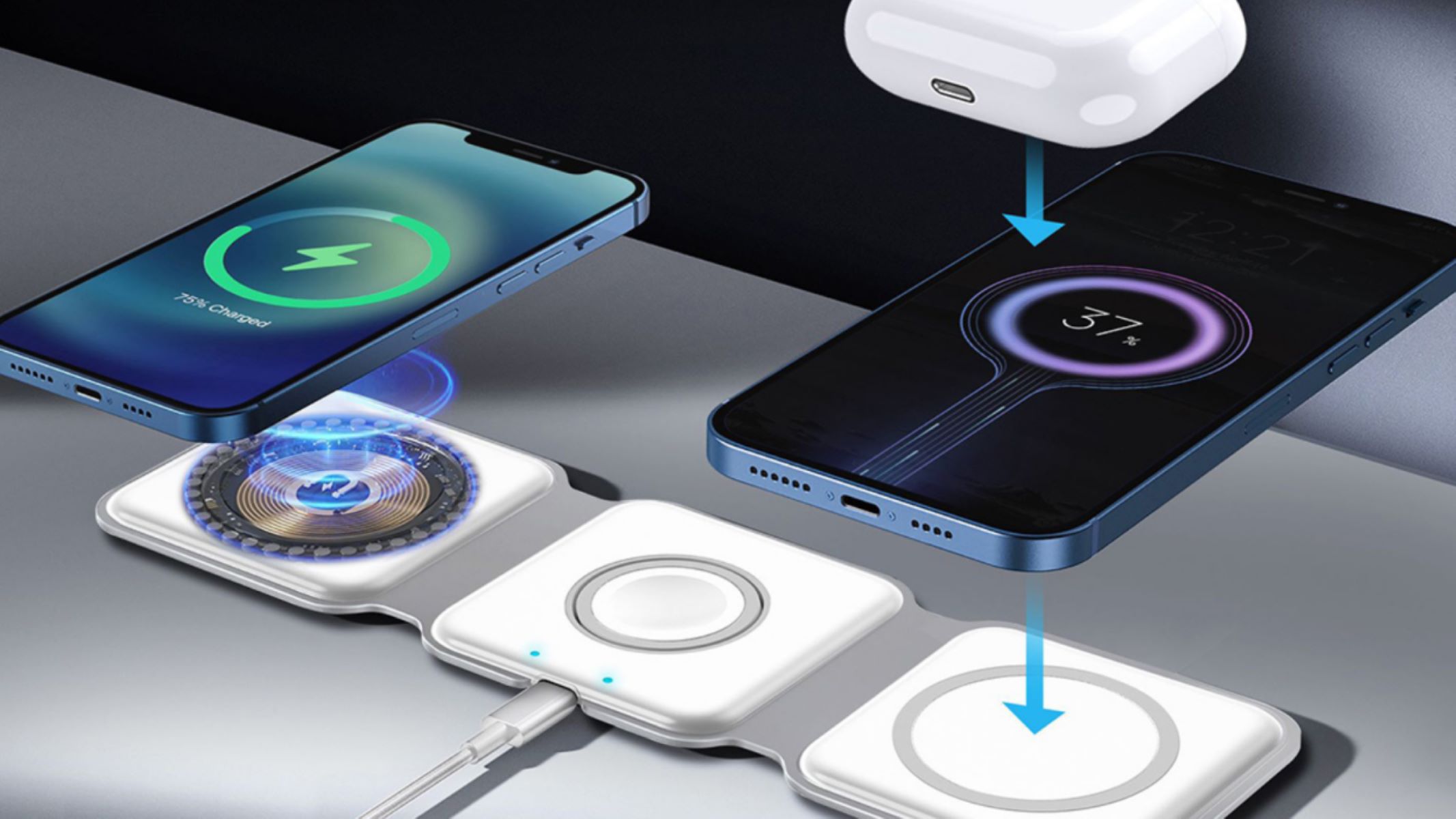
- A transmitter coil in the charging pad. This guy generates the magnetic field.
- A receiver coil in your phone. This guy catches the field and converts it back to juice.
Plus, a bunch of smarty-pants circuitry on both ends to manage the power, make sure things don't get too hot, and communicate politely. It's not just two wires touching!
Can I Actually Build It From Scratch?
Okay, let's talk brass tacks. If you mean winding your own copper coils from scratch, fabricating a custom circuit board, and programming the chips, then… well, theoretically yes, with an electrical engineering degree, a well-stocked lab, and a healthy dose of patience. But for the average Joe or Jane who just wants to escape the cable monster, the answer is usually, "Probably not safely or effectively without a LOT of prior experience."
Think about it like trying to build a toaster from raw metal and heating elements. You could, but you're more likely to end up with a smoke detector concert than perfectly browned bread. Wireless charging involves specific frequencies, power regulation, and safety protocols to prevent things from getting too hot – we're talking about preventing your phone from turning into a tiny, expensive hand warmer, or worse, a tiny, expensive bonfire.
The efficiency also matters. A poorly made DIY charger might get your phone to say "charging," but it could be so slow it's like trying to fill a swimming pool with an eyedropper. And it'll likely waste a ton of energy, turning it into heat instead of helpful battery life.
The More Realistic (and Fun) DIY Route
So, does this mean your DIY dreams are utterly crushed? Not entirely! Instead of building the whole thing from atomic particles, consider a more practical and equally satisfying approach: using existing wireless charging modules or kits.
You can buy small, inexpensive wireless charging receiver and transmitter modules online. These are the brains and coils already assembled and ready to go. With these, your DIY project becomes less about inventing the wheel, and more about:

- Embedding them into custom furniture: Imagine a sleek bedside table with an invisible charging spot. Now that's cool!
- Creating unique charging pads: Maybe one shaped like a donut, or a cool geometric design.
- Adding wireless charging to older devices: If you're handy with electronics, you could potentially integrate a receiver into something that never had it (though this is for advanced tinkerers).
This way, you're leveraging the expertise of manufacturers for the tricky, safety-critical bits, and applying your own creativity for the fun, aesthetic, and functional parts. It’s like buying pre-made pizza dough and then going wild with your toppings – all the fun, less of the potential for a kitchen fire.
Final Thoughts: Appreciate the Magic
While building a wireless charger from scratch might be a bit like trying to teach your cat to do your taxes (noble effort, questionable outcome), understanding how it works helps us appreciate the clever tech we often take for granted. Those seamless charging experiences? They're the result of some seriously smart engineering.
So, next time you effortlessly plop your phone onto a charging pad, give a silent nod to the invisible magnetic fields doing their work. And if you’re still itching for a DIY project, grab a ready-made module. You can still create something awesome, cable-free, and definitely fire-hazard-free. Your nightstand (and future self) will thank you!