Ever looked at something made of metal – maybe a sturdy patio chair, a car chassis, or even that giant rollercoaster you bravely rode last summer – and thought, "How in the heck did they stick those two bits together so perfectly?" Well, my friend, you've stumbled into the magical, fiery world of welding. And today, we're chatting about a true workhorse of that world: Gas Shielded Metal Arc Welding, or as most folks affectionately call it, MIG welding.
Now, if "welding" sounds intimidating, like something only burly folks with torches and leather aprons do, hold your horses. MIG welding is often the friendly gateway drug into the metal-joining universe. It’s like the automatic transmission of welding – easier to pick up than its stick-shift cousins, giving you a smooth ride into creation.
The Big Secret: The Gas Shield
So, what's with the fancy "gas shielded" part? Picture this: you've just melted two pieces of metal together, creating a beautiful, glowing puddle of liquid hotness. This molten metal is incredibly vulnerable. It’s like a newborn baby, totally defenseless against the harsh realities of the world. In this case, the "harsh realities" are oxygen and nitrogen from the air. These sneaky gases love to crash the party and make your weld weak and brittle, full of holes and general nastiness.
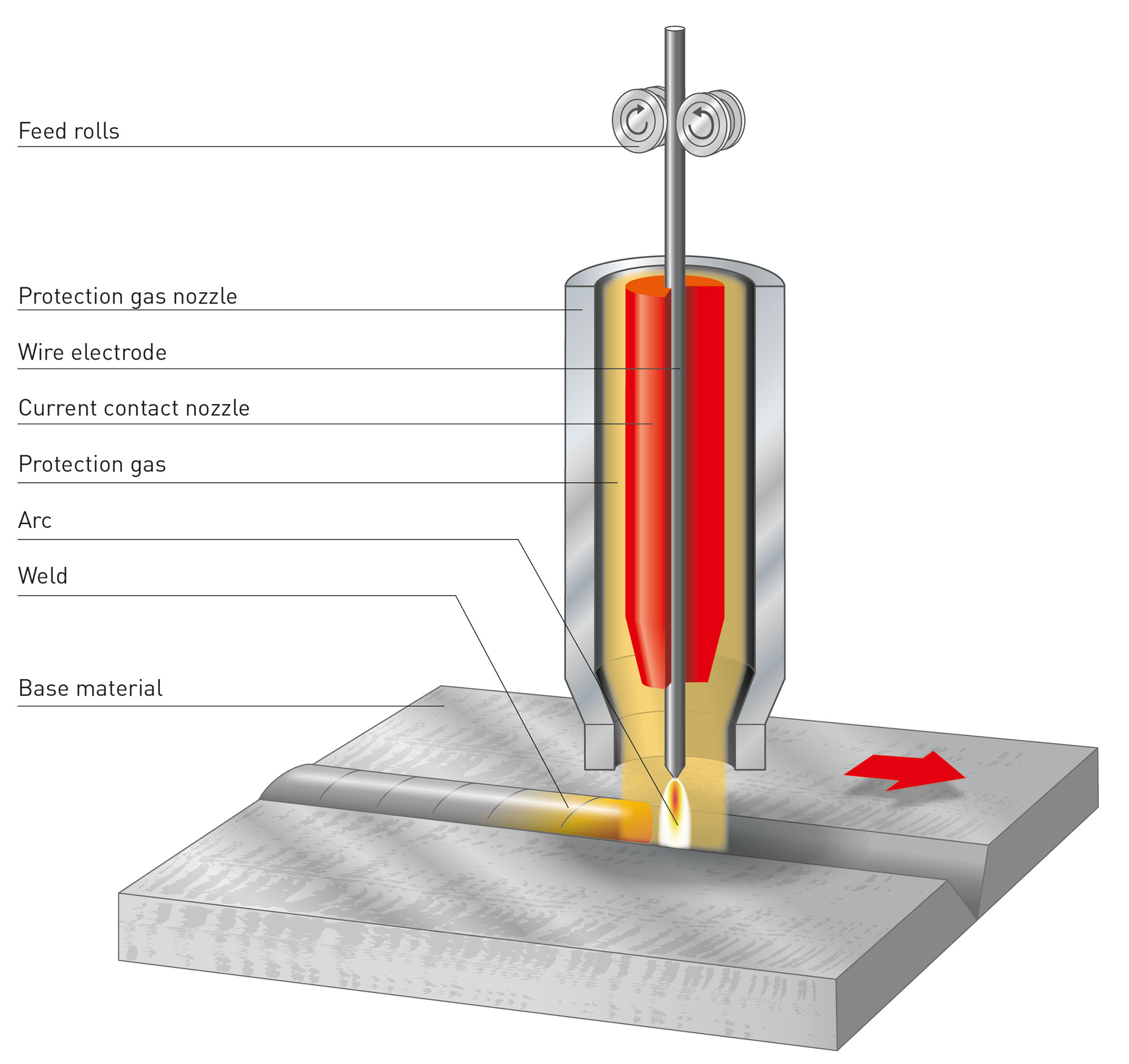
Enter the superhero gas! With MIG welding, a stream of inert gas (usually a mix of Argon and CO2, like a fancy cocktail) flows out around your welding wire. This gas creates an invisible force field, pushing away all that pesky atmospheric air. It's like giving your delicate, molten metal a cozy, protective blanket, allowing it to cool down and solidify into a strong, beautiful bond without any nasty surprises. Think of it as a bouncer at a exclusive club, keeping the undesirables (air contaminants) out.
The Wire: Your Never-Ending Metal Hot Glue Stick
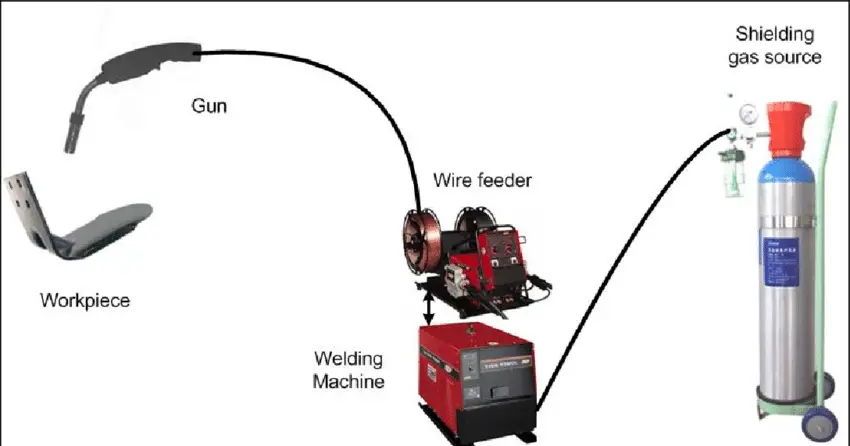
Unlike some other welding methods where you're constantly swapping out short sticks of metal, MIG welding uses a continuous wire feed. Imagine a giant spool of metal wire, unwinding and feeding through the welding gun like a futuristic, heavy-duty sewing machine. This wire is your filler material, the stuff that melts to join your base metals.
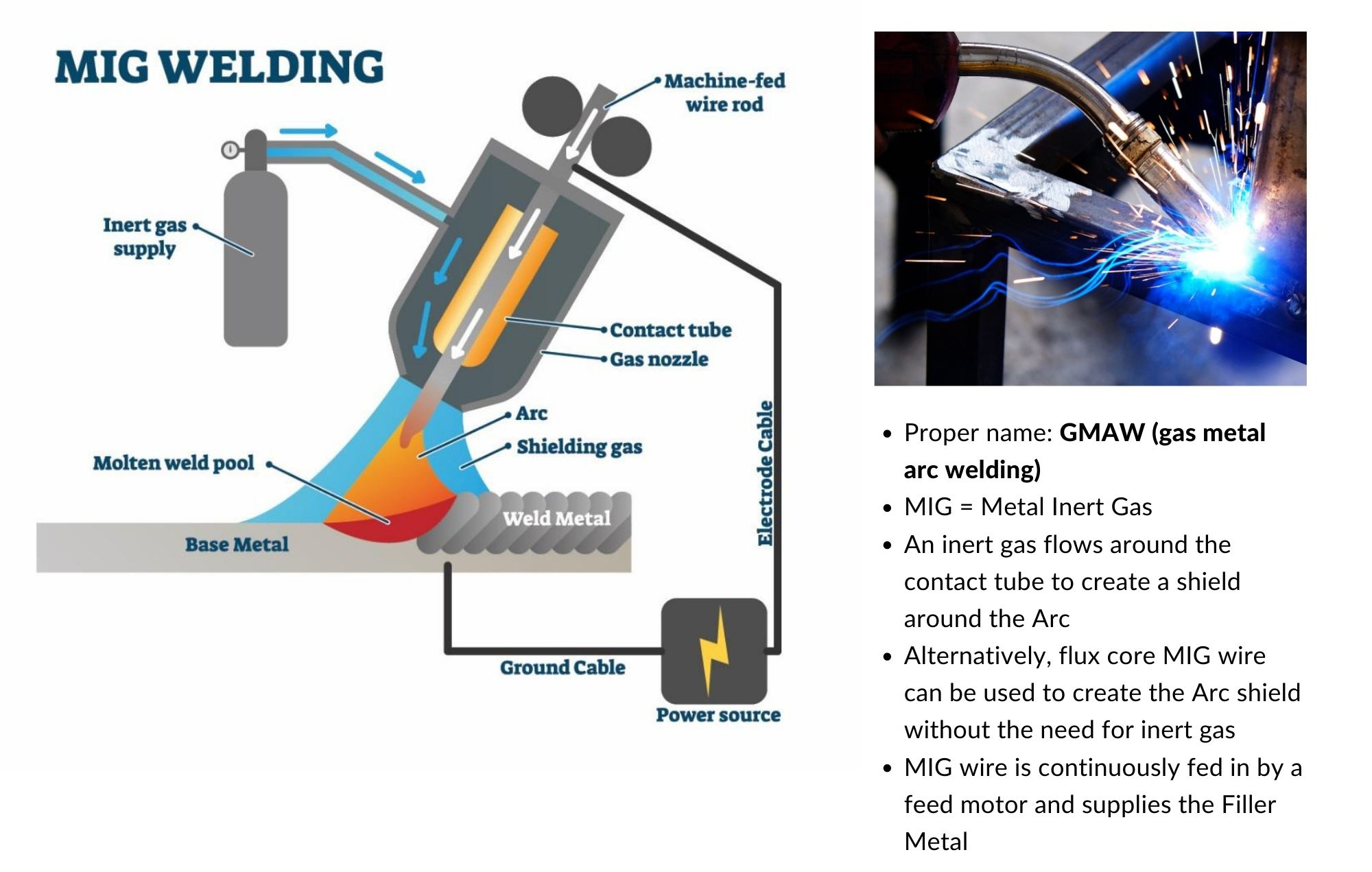
You pull a trigger, an electric arc zaps the end of the wire, turning it instantly into molten metal, and zing! it fuses with your workpiece. It’s a bit like a hot glue gun on steroids, but instead of plastic, you're laying down incredibly strong metal. This continuous feed is a huge part of why MIG welding is so popular – it allows for incredibly fast and consistent welds. No stopping, no starting, just a smooth, continuous bead of molten metal magic.
The Sound of Creation: Sizzle and Spit
When you're MIG welding, there's a distinct sound. It's not the roar of a jet engine, nor the gentle hum of a refrigerator. It's more of a crisp, sizzling bacon sound, sometimes with a little crackle or pop, as the molten metal transfers from the wire to the puddle. A good, consistent sizzle is music to a welder's ears – it means the settings are dialed in, the gas is flowing, and you're making a strong connection.
You'll see sparks, yes, but mostly you'll be focused on that glowing, flowing puddle of molten metal. Guiding that puddle, making it flow just right to join two pieces, is an art form that feels surprisingly intuitive once you get the hang of it. It's incredibly satisfying to watch two separate pieces become one unified, strong whole right before your eyes.
Why We Love It (and Its One Annoying Flaw)
MIG welding is a beloved tool for a reason. It's relatively easy to learn for beginners, makes quick work of big projects, and produces clean, good-looking welds. It's used everywhere, from car repair shops (making those rusty bits strong again!) to fabrication shops (building everything from picnic tables to giant structures).

But like all superheroes, MIG has its kryptonite: wind. Remember that invisible gas shield? Well, if you're trying to weld outdoors on a breezy day, that wind acts like a bully, blowing your protective gas away. Your pristine molten puddle suddenly loses its bodyguard and gets exposed to all that nasty air. The result? A weak, porous weld that looks like swiss cheese and is about as strong. So, if you see someone with a MIG welder struggling on a windy day, know they're not just being dramatic – they're fighting an invisible battle against the elements!
So, What's the Takeaway?
MIG welding is a fantastic process that takes two separate pieces of metal and, with the help of electricity, a continuously fed wire, and an invisible gas shield, turns them into a single, stronger entity. It's fast, forgiving, and incredibly versatile.
Next time you see something metal that’s clearly been joined with precision and strength, give a little nod to the elegant simplicity of Gas Shielded Metal Arc Welding. It’s a testament to how clever engineering can make tough jobs not just possible, but even a little bit fun and oddly satisfying. And who knows, maybe it’ll even inspire you to pick up a welding gun yourself – just remember to check the wind forecast first!