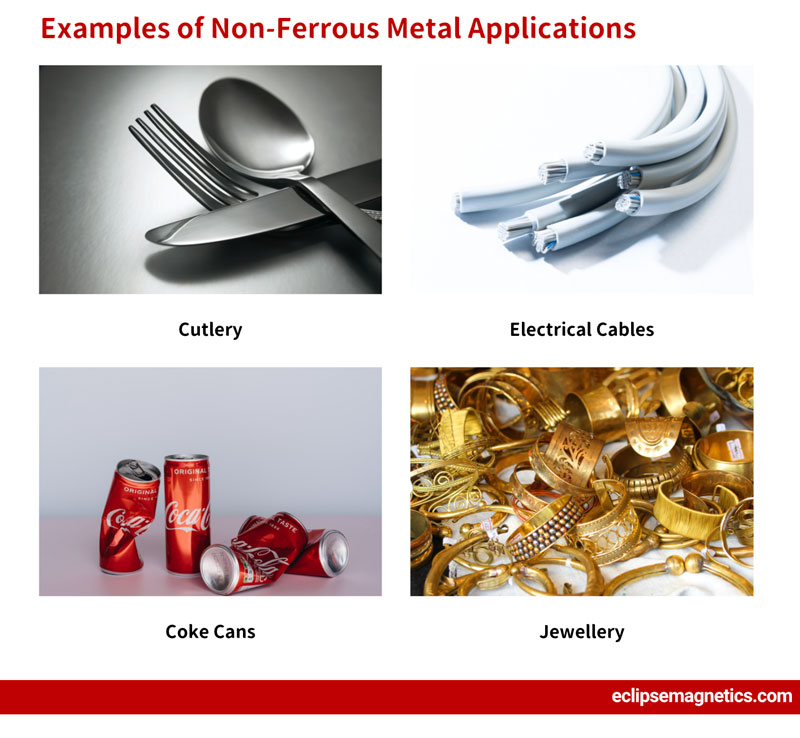
Ever wondered what makes a sparkling soda can so different from a rusty old garden tool? Or why some metals are perfect for airplanes while others are ideal for skyscrapers? It all comes down to understanding the fascinating world of metals, and today we're diving into a super cool category that's incredibly versatile and present everywhere: non-ferrous metals!
Understanding these materials isn't just for engineers or scientists; it’s about appreciating the ingenuity that shapes our everyday lives. It helps us understand why certain products last longer, perform better, or are easier to recycle. Knowing the difference between ferrous and non-ferrous metals can even give you a new perspective on everything from construction to cooking utensils!
So, what exactly does non-ferrous mean? Simply put, these are metals or alloys that do not contain significant amounts of iron. While iron is a fantastic metal for many uses, it has a few characteristics that aren't always desirable – like rusting, or being heavy and magnetic. Non-ferrous metals, on the other hand, often boast a different set of fantastic qualities. They are typically lighter, offer superior resistance to corrosion, and are often non-magnetic. This distinct lack of iron opens up a whole world of possibilities for their applications.
If we're going to talk about a prime example of a non-ferrous metal, we simply must shine a spotlight on aluminum. It’s a true superstar of modern living, and you’ll find it almost everywhere you look! From the gleaming wings of a jet soaring overhead to the foil wrapped around your lunch, aluminum is a silent hero in countless applications.

Let's talk about the incredible purpose and benefits that make aluminum so indispensable:
- Lightweight Champion: Imagine an airplane made entirely of steel – it would be too heavy to fly efficiently! Aluminum is incredibly light, making it vital for aircraft, cars, bikes, and even spacecraft. This lightness translates directly into fuel efficiency and improved performance, helping us travel further with less energy.
- Rust? What's Rust?: Unlike iron, aluminum naturally forms a thin, tough oxide layer when exposed to air. This protective layer makes it incredibly corrosion-resistant. That's why aluminum is perfect for outdoor structures, window frames, and, of course, those drink cans that need to sit on shelves without corroding. It stays looking great for a long time!
- Super Recycler: One of aluminum's most impressive benefits is its infinite recyclability. You can melt down an aluminum can and turn it into a new can, or a car part, or an entirely new product, over and over again, using significantly less energy (up to 95% less!) than producing it from raw materials. This makes it an exceptionally sustainable choice for packaging and manufacturing.
- Versatile and Malleable: Aluminum is surprisingly soft and pliable when pure, making it easy to form into complex shapes, roll into incredibly thin foils, or extrude into intricate profiles. This malleability means it can be adapted for a vast array of uses, from intricate electronic components to large architectural panels.
So, the next time you casually pop open a soda can, notice the lightweight feel of your smartphone, or marvel at an airplane taking off, give a little nod to aluminum, our brilliant non-ferrous friend. It's a testament to how the right material, chosen for its unique properties, can truly change the world for the better, making our lives easier, more efficient, and more sustainable!