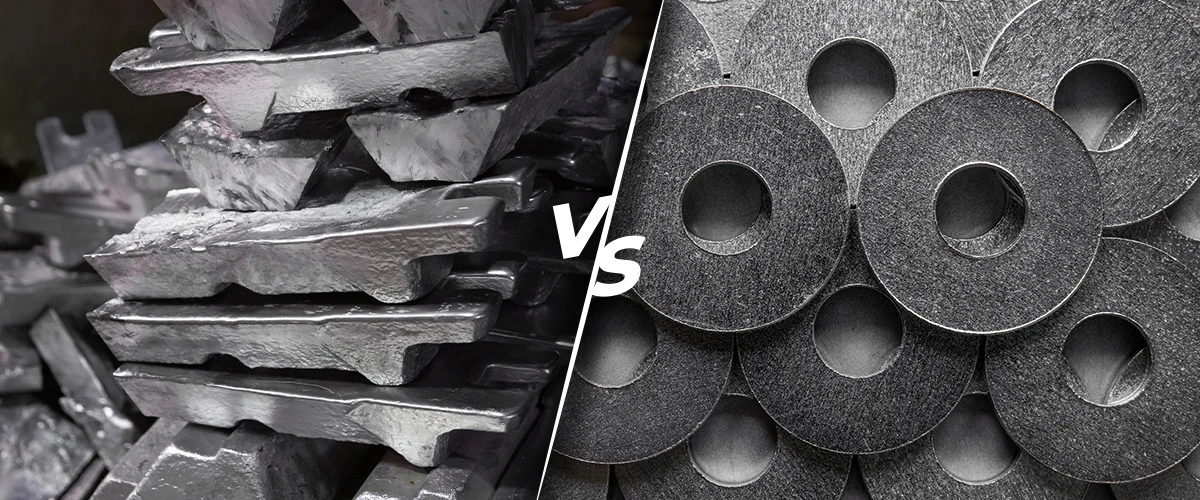
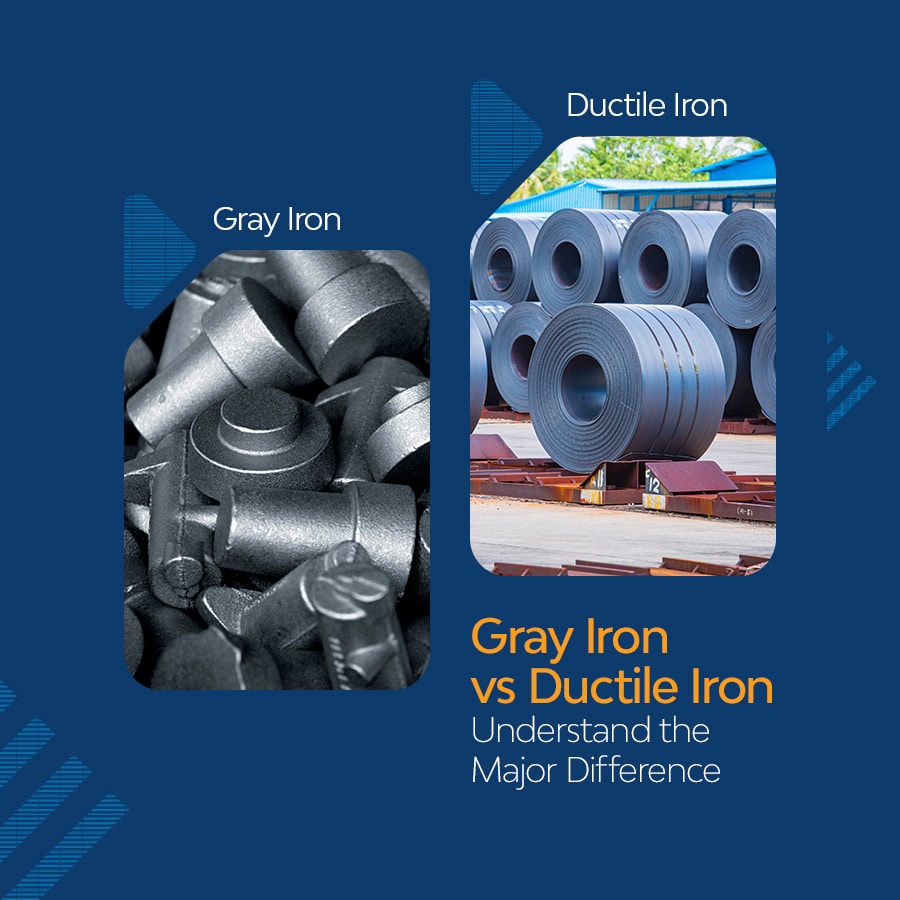
Alright, settle in, grab another sip of that suspiciously foamy latte, because today we’re diving into a topic that sounds about as thrilling as watching paint dry, but trust me, it’s got more drama than your favorite reality show: Cast Iron. Specifically, we’re pitting two heavyweights against each other: Grey Cast Iron versus its younger, cooler cousin, Ductile Iron. Prepare to have your mind mildly blown by the secret lives of everyday metals.
You probably interact with cast iron every day without even realizing it. Manhole covers? Yup. Engine blocks? You betcha. The weight at the gym you pretend to struggle with? Probably cast iron. But here’s the kicker: not all cast irons are created equal. In fact, the difference between these two types is like the difference between a delicate glass sculpture and a bouncy rubber ball. Both are solid, but one really, really doesn't like being dropped.
Meet Grey Cast Iron: The Grumpy Grandpa
First up, we have Grey Cast Iron. Think of Grey Iron as the grumpy, set-in-its-ways grandpa of the metal world. It’s been around forever, it’s reliable in its own way, but it has one major personality flaw: it’s incredibly brittle. If you look at it funny, it might just snap.
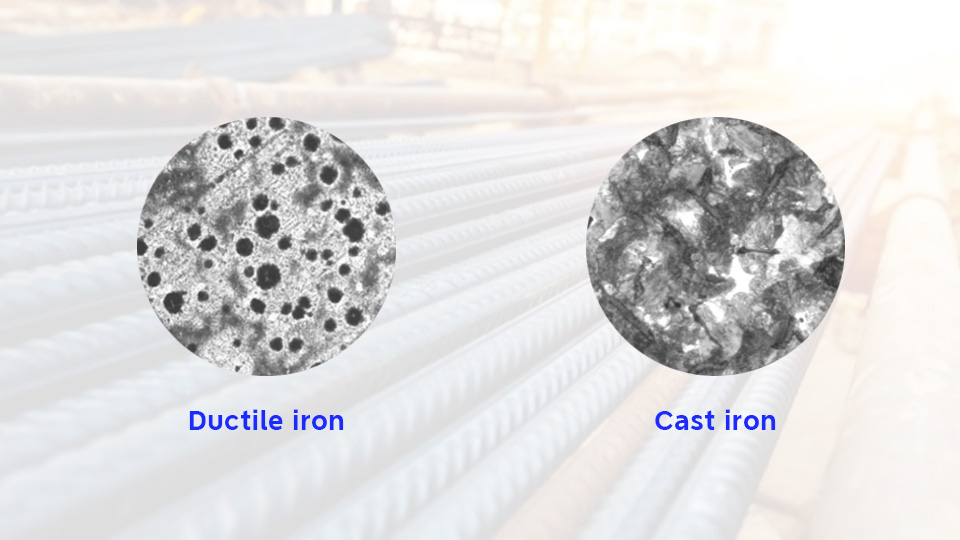
Why so fragile, you ask? It all comes down to its microscopic inner workings. Inside Grey Iron, the carbon isn't all buddy-buddy with the iron. Instead, it forms these tiny, sharp, flaky structures. Imagine a metal full of miniature razor blades. When you apply stress, these flakes act like built-in crack starters, making it super easy for a fracture to zip right through the material. It’s like having a bunch of pre-cut perforations in your metal – not ideal for structural integrity, is it?
This brittleness means Grey Iron is fantastic under compression – it can handle being squeezed like nobody's business. That's why you see it in things like engine blocks and machine bases, where the forces are mostly pushing down. But try to pull it apart (that’s tension, for you metal nerds out there), or give it a good whack, and Grey Iron says, “Nope! I’m out!” and shatters dramatically. It's strong, but only when you play by its rules.

Enter Ductile Iron: The Flexible Fighter
Now, for the hero of our story: Ductile Iron. This is Grey Iron’s cool, younger sibling who went to therapy and learned to manage its stress. Ductile Iron is essentially Grey Iron, but with a crucial, tiny, magical modification. Before casting, they add a sprinkle of something special – usually magnesium. And folks, this is where the magic happens.
That little bit of magnesium convinces the carbon to change its tune. Instead of forming those mean, sharp flakes, the carbon in Ductile Iron gathers into cute, cuddly little spheroids or nodules. Think of them as microscopic stress-absorbing bouncy balls inside the metal.
And what a difference these little balls make! Because there are no sharp edges to start cracks, Ductile Iron becomes incredibly strong, astonishingly ductile (meaning it can bend and deform quite a bit before breaking), and fantastically shock-resistant. If Grey Iron is a glass sculpture, Ductile Iron is a rubber band. You can bash it, bend it, twist it, and it just grins and keeps going.
This newfound resilience makes Ductile Iron a superstar. It’s used for water and sewer pipes because it can handle ground movement and unexpected impacts without cracking. It's in crankshafts and steering knuckles in your car because it needs to withstand constant stress and sudden jolts. If it needs to be tough and not shatter, Ductile Iron is your go-to guy.
The Big Showdown: Flakes vs. Balls
So, what’s the takeaway from our cast iron café chat? It all boils down to that tiny, invisible difference in graphite structure. Grey Iron has those crack-inducing flakes, making it brittle. Ductile Iron has those stress-diffusing nodules, making it tough as nails and bendy besides.
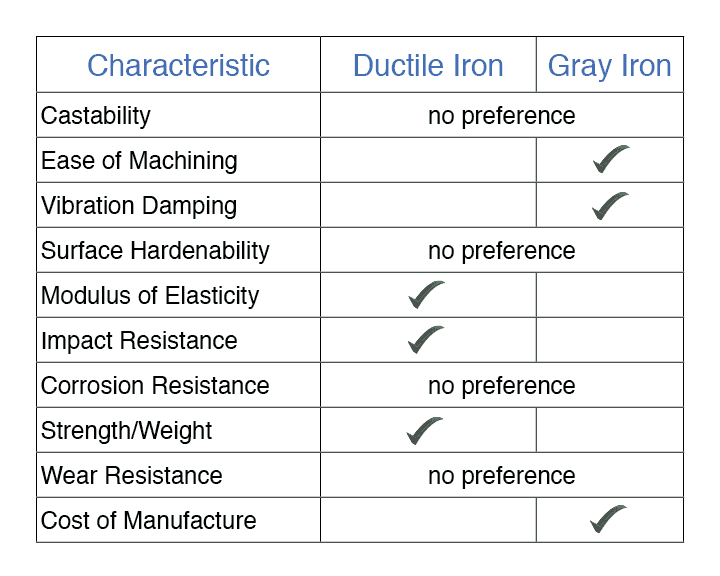
- Grey Cast Iron: Great under compression, dirt cheap to produce, but a total drama queen when it comes to impact or tension. Perfect for heavy, stationary things like furnace grates or machine bases.
- Ductile Iron: Strong, flexible, resistant to impact, and can take a beating. A bit more expensive due to the magnesium treatment, but worth every penny for critical applications where failure isn't an option. Think about the pipes that bring water to your house – you don't want those being brittle!
It’s a fantastic example of how a microscopic change can lead to vastly different macroscopic properties. Who knew a tiny adjustment in how carbon atoms arrange themselves could turn a shatter-prone material into a shock-absorbing champion?
So, the next time you see a manhole cover or hear the rumble of an engine, give a little nod to the incredible world of cast iron. Whether it's the grumpy grandpa Grey Iron holding things down or the flexible fighter Ductile Iron taking all the hits, these metals are silently making our modern world work. And now you know their secret origin stories. You’re practically an iron whisperer!