
We all talk about the weather, especially the temperature. We check our phones, glance at a thermometer, and instantly know if it's hot or cold. But what if I told you there’s more to temperature than meets the eye? What if there were two fascinating "personalities" of temperature, working behind the scenes to tell us a much richer story about our world and how we feel in it?
Meet the dynamic duo of temperature: Dry Bulb Temperature and Wet Bulb Temperature. They might sound a bit like super-secret agents, and in a way, they are! They reveal hidden truths about the air around us, and once you get to know them, you'll find them absolutely captivating.
Meet the Straight Shooter: Dry Bulb Temperature
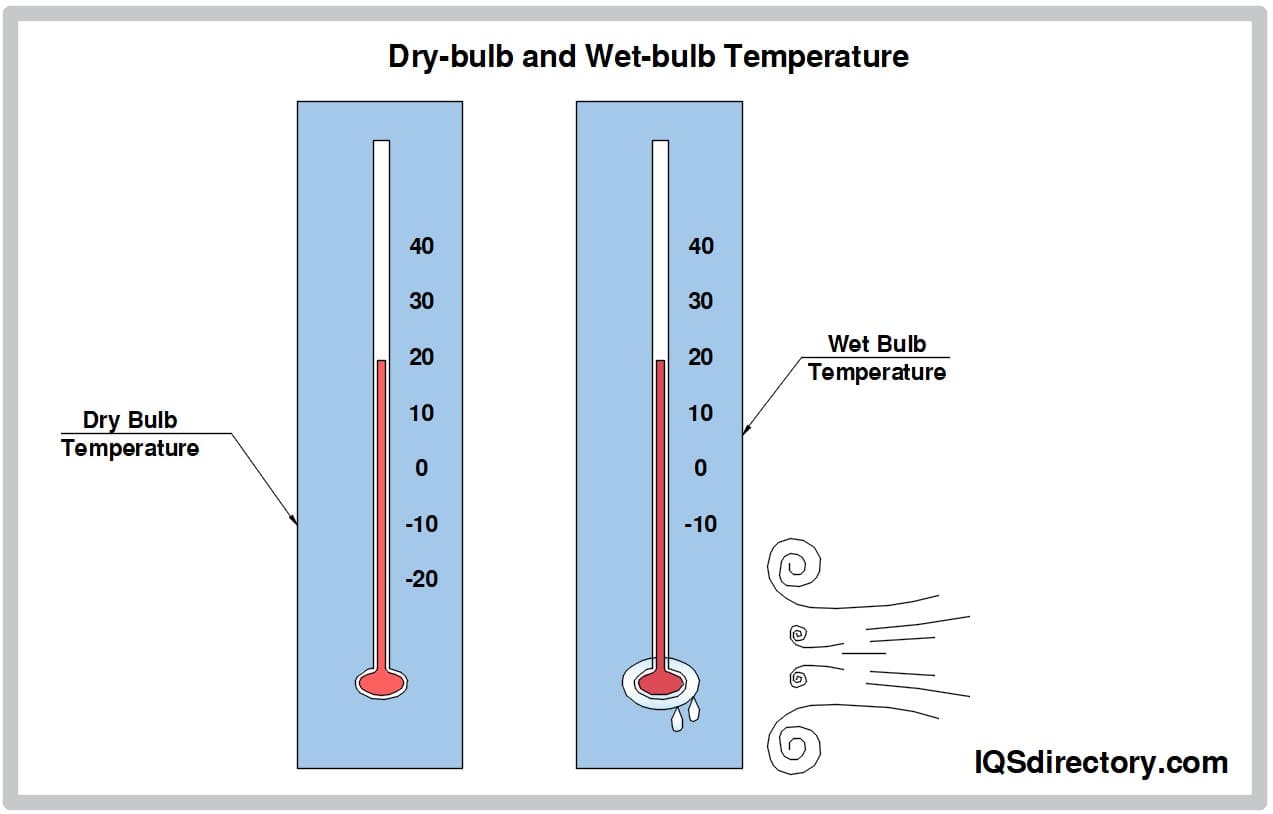
Let's start with the familiar face. When you hear someone say, "It's 25 degrees Celsius today," they're almost always talking about the Dry Bulb Temperature. This is the temperature our regular, everyday thermometer shows. It's just the plain old air temperature, measured by a thermometer that's dry and protected from things like direct sunlight or moisture.
The Dry Bulb Temperature is the straightforward, no-frills number you see on your weather app or home thermostat. It's the most common way we measure how hot or cold the air is.
Think of it as the headline news. It tells you the basic fact. Simple, reliable, and absolutely essential. But as with any good story, there's a deeper layer, a cooler character waiting in the wings.
Enter the Cool Character: Wet Bulb Temperature
Now, for the really intriguing part! The Wet Bulb Temperature is where things get truly exciting. Imagine taking that same thermometer, but this time, you wrap its bulb in a small, wet cloth. Then, you expose it to moving air. What happens? The water on the cloth evaporates, and as it evaporates, it cools the thermometer down. The lowest temperature that thermometer reaches is the Wet Bulb Temperature.
This isn't just a quirky experiment; it's nature's way of showing us something incredibly important. Because evaporation is a cooling process (think of how sweat cools your skin!), the Wet Bulb Temperature will always be equal to or lower than the Dry Bulb Temperature. How much lower depends entirely on the air's humidity. If the air is very dry, water evaporates quickly, and the wet bulb temperature will be much lower than the dry bulb. If the air is already saturated with moisture (100% humidity), no more water can evaporate, and the two temperatures will be the same.
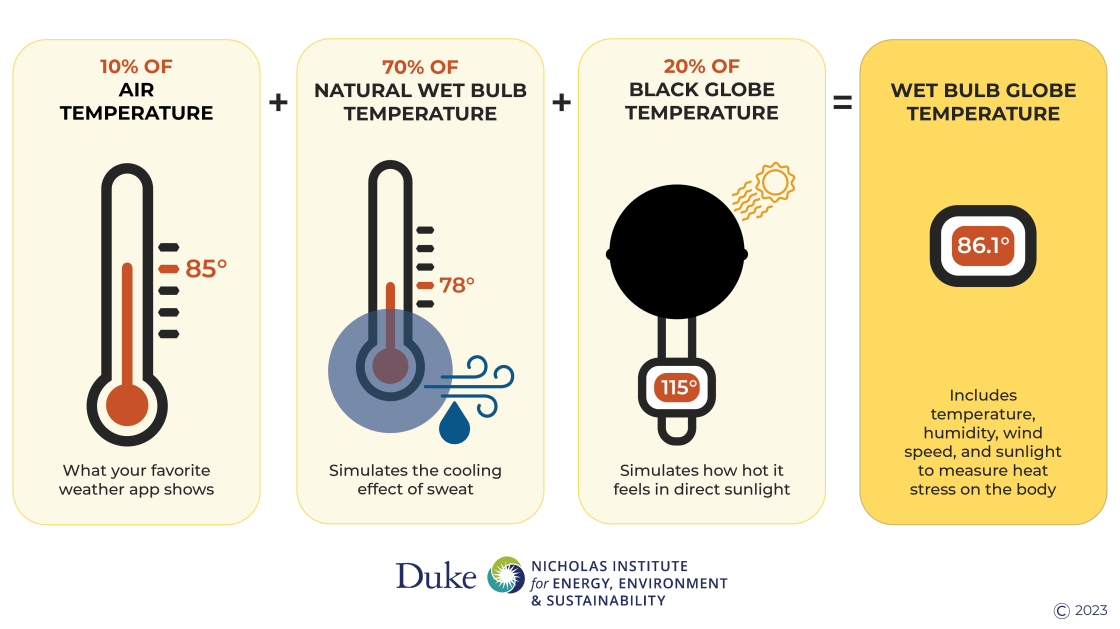
The Wet Bulb Temperature is the "cooler cousin," revealing how much evaporative cooling is possible. It's the temperature your body feels when it's trying to cool itself down through sweating.
Why This Duo Is So Fascinating (and Super Important!)
This is where the entertainment really kicks in! The interplay between Dry Bulb and Wet Bulb temperatures tells us a story about more than just heat; it tells us about comfort, efficiency, and even survival.
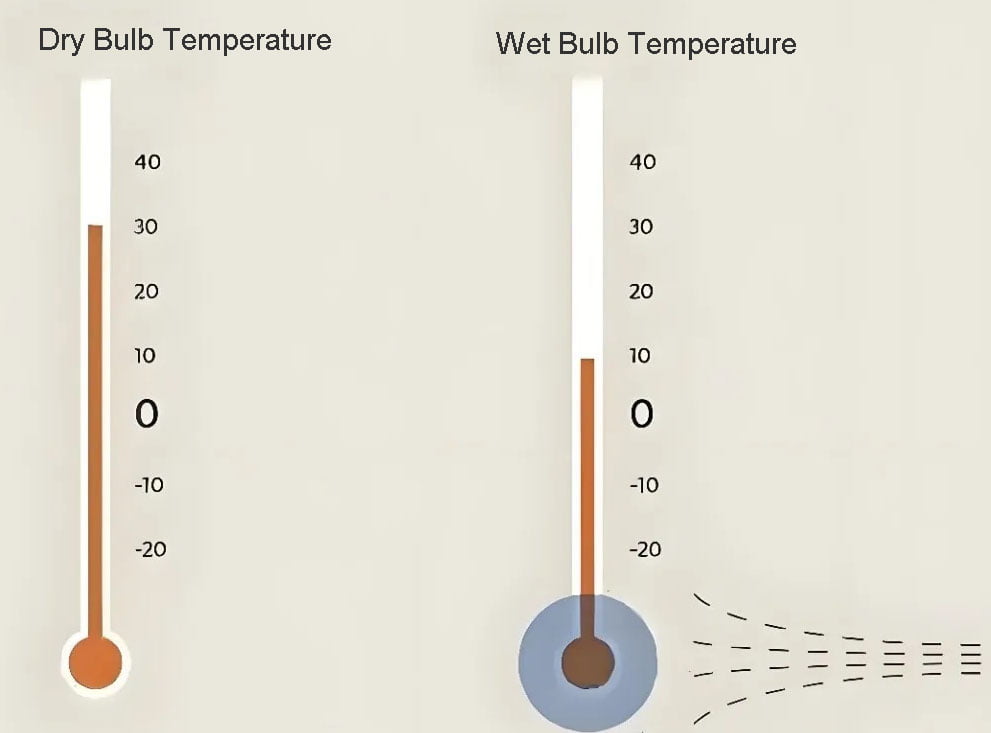
Imagine a scorching summer day. The Dry Bulb Temperature might be 35°C. If the air is very dry (low humidity), the Wet Bulb Temperature might be much lower, say 25°C. This large difference means your sweat can evaporate easily, making you feel relatively comfortable despite the high dry bulb temp. You might hear people say, "It's a dry heat!"
Now, imagine another 35°C day, but this time it's incredibly humid. The air is thick and sticky. The Wet Bulb Temperature might be very close to the Dry Bulb Temperature, perhaps 33°C. This small difference means your sweat can't evaporate effectively. Your body struggles to cool down, and you feel absolutely miserable, even though the thermometer shows the same 35°C. This is why high humidity makes hot weather feel so much worse!

This "temperature gap" is the key. It's a natural indicator of how much moisture is in the air, and critically, how effectively your body (or an air conditioner, or even a swamp cooler) can cool itself through evaporation. It explains why a desert 40°C feels different from a jungle 40°C.
But here's the kicker, the truly profound part: there's a limit to how high the Wet Bulb Temperature can get before it becomes dangerous for humans. Above a certain threshold, typically around 35°C (95°F), the human body can no longer cool itself effectively through sweating, even if fully exposed to water and shade. Sustained exposure to such conditions can be fatal. This is why scientists and meteorologists pay such close attention to this particular temperature.
So, the next time you check the weather, don't just look at the plain old temperature. Take a moment to think about its fascinating companion, the Wet Bulb Temperature. It's a powerful, hidden clue to how comfortable (or uncomfortable) you’ll really feel, and a testament to the incredible science happening all around us, every single day. It's a brilliant, simple concept that makes our understanding of the world so much richer. Isn't that just a little bit exciting?