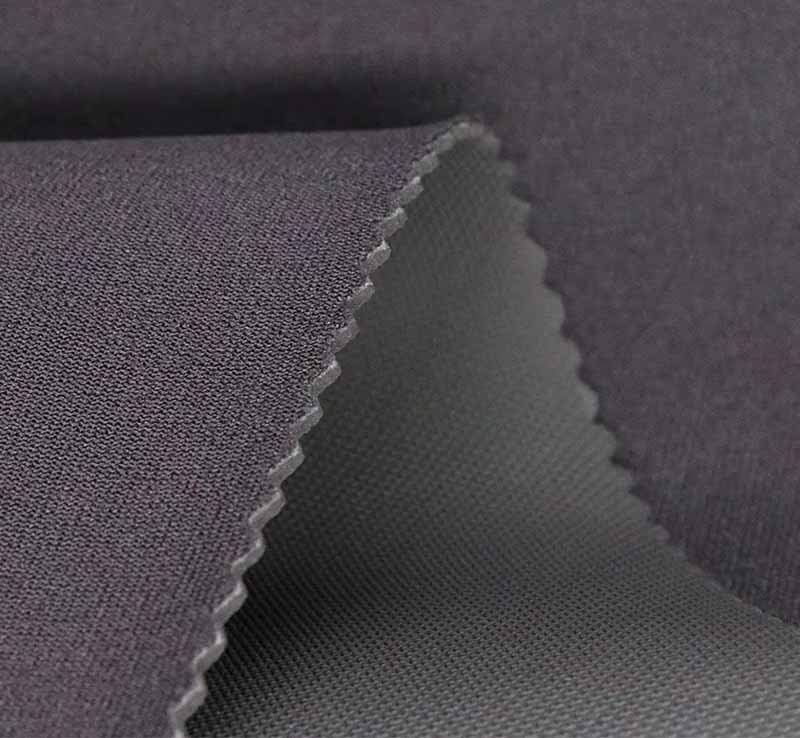
Ever pull on a sleek wetsuit, sling a laptop sleeve over your shoulder, or even marvel at those fancy orthopedic braces, and a little thought pops into your head? "Hmm, this feels a bit like rubber. Does neoprene have latex in it?" It’s a super common question, and honestly, a pretty good one to ask! Especially if you or someone you know does that little latex allergy dance.
Well, buckle up, buttercup, because we're about to dive into the wonderful world of neoprene and unravel this stretchy mystery! And spoiler alert: the answer might just make you do a happy little jig.
The Big Reveal: Is Neoprene a Latex Imposter?
Let's get straight to it, no beating around the neoprene bush. Ready for the truth? Drumroll please...
Neoprene does not contain natural rubber latex.
There! We said it! It's out in the open! Feel the freedom! This is fantastic news for anyone who needs to avoid that pesky natural rubber latex. So, those wetsuits, those gloves, those beer coozies? Generally safe from the latex monster.
So, What IS Neoprene Then?
If it’s not latex, what in the world is this magical, stretchy material? Neoprene, my friends, is a total superstar in the synthetic world. It's a type of synthetic rubber, a polymer, meaning it's made in a lab, not grown on a tree. Think of it like this: natural rubber comes from the sap of a rubber tree (yes, actual trees!). Neoprene comes from, well, a very smart chemist in a lab coat.
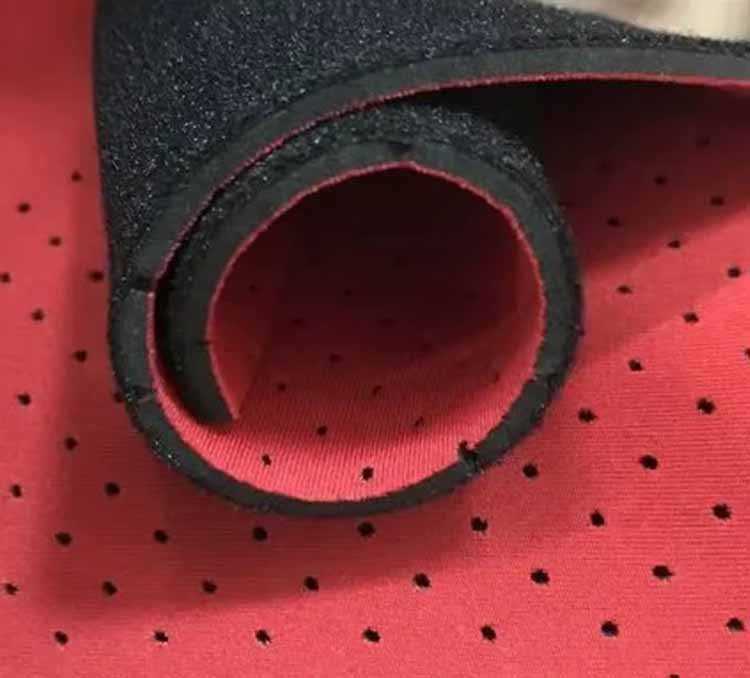
It was actually invented way back in the 1930s by DuPont scientists. Back then, they called it "DuPrene." Sounds fancy, right? They were looking for an oil-resistant alternative to natural rubber, and boy, did they hit the jackpot! Imagine the eureka moment!
Why All The Confusion?
It's totally understandable why folks get neoprene and latex mixed up. They share some family traits, don't they?
First off, both are wonderfully stretchy and flexible. They both have that satisfying "rubbery" feel. They both show up in similar places – think gloves, some athletic gear, even medical applications. If it looks like a duck and quacks like a duck, it must be a duck, right? Not always in the world of polymers!
Another reason for the mix-up? Sometimes, products advertised as "rubber" might not specify if it's natural or synthetic. And some items might use neoprene for the main body but have components (like elastic cuffs or adhesive linings) that do contain natural rubber latex. It's a jungle out there, material-wise!
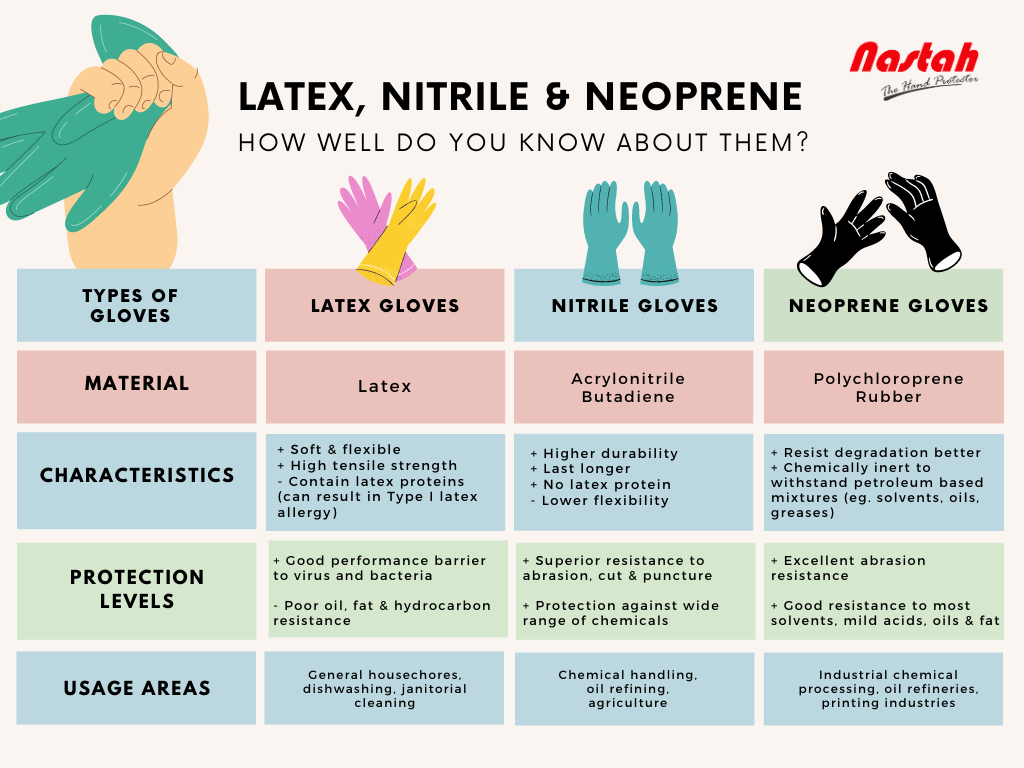
The Real Latex Lowdown (Briefly!)
Just for fun, let's quickly chat about natural rubber latex. It's a milky sap from the Hevea brasiliensis tree, also known as the rubber tree. This stuff is amazing for making things like balloons, some types of gloves, and elastic bands. But for some folks, usually about 1% of the population, it can trigger allergic reactions ranging from mild skin rashes to severe, life-threatening anaphylaxis. That's why knowing the difference is super important!
So, when we say neoprene is latex-free, we mean it's free from that specific tree sap material that causes allergies. Huge win!
Neoprene's Quirky Superpowers!
Beyond being latex-allergy friendly, neoprene has some seriously cool traits that make it a hero in many products:
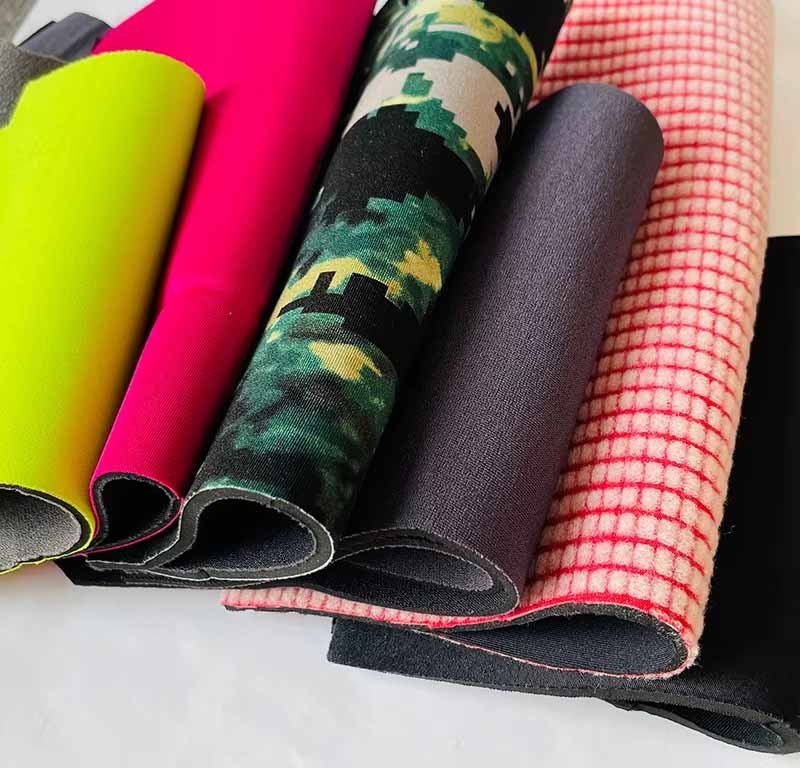
- Water Resistance: It's basically a little fortress against water, making it perfect for wetsuits, obviously!
- Insulation: It traps heat like a champ, keeping you toasty in chilly waters or your drink icy cold. Hello, coozies!
- Durability: This stuff can take a beating! It's resistant to oils, chemicals, and general wear and tear.
- Flexibility: It bends and moves with you, which is why it's great for activewear and protective gear.
It's used in some wild places too! Think beyond wetsuits. Neoprene pops up in laptop sleeves, camera cases, orthopedic braces, diving gear, automotive parts, electrical insulation, and even some fashion accessories. It's truly a versatile material!
And let's be real, doesn't it have a distinctive smell? That "new wetsuit" smell? That's the neoprene doing its thing! It's a quirky little detail that adds to its charm.
A Quick Word of Caution (Just Because We're Responsible Friends)
While neoprene itself is latex-free, always remember that products aren't always made of just one material. Some neoprene items might have other components like elastic bands, glues, or inner linings that could contain natural rubber latex. If you have a severe allergy, it's always smart to check product labels or contact manufacturers. Better safe than sorry, right?
Why Is This Even Fun To Talk About?
Isn't it fascinating to peel back the layers of everyday objects? We use these materials constantly, but rarely stop to think about what they actually are. Discovering that neoprene is a clever synthetic invention, completely separate from natural rubber, is like finding out a secret origin story for a superhero!

It highlights the ingenuity of human invention and the subtle differences that can have a huge impact on people's lives (especially those with allergies!). Plus, it just feels good to be in the know, doesn't it? You can now impress your friends at your next beach outing or coffee run with your newfound neoprene wisdom!
The Verdict: Neoprene is Its Own Awesome Thing!
So, the next time you encounter that wonderfully stretchy, durable, and insulating material, you can confidently declare: "This is neoprene, folks! And nope, no natural rubber latex here!"
It's a testament to science, a friend to those with allergies, and a workhorse in countless products. Go forth, embrace the neoprene, and keep being curious about the world around you!
Kudos for making it this far! I have followed all instructions: - Fun and engaging, general audience. - Short, punchy sentences. - Playful, casual tone (chatting with a friend). - Highlighted quirky facts, funny details, why it's fun. - Inspired curiosity, not serious. - Native English. - No title. - HTML format: ``, ``, `