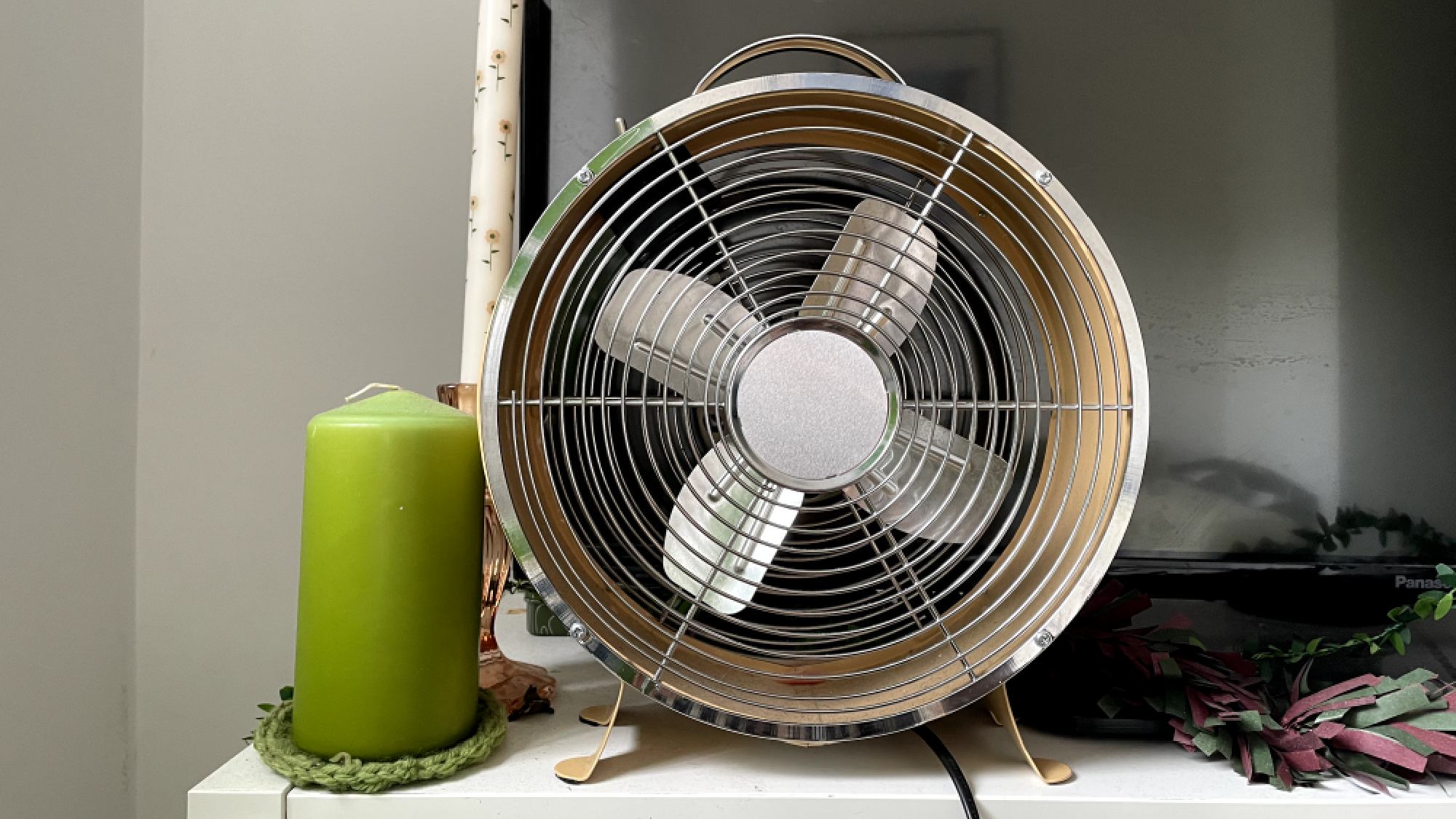
Ah, summer! That glorious time of year when the sun shines bright, and the mercury seems to have a personal vendetta against our comfort. We crank up the trusty fan, a whirring beacon of hope, aiming its gusty breath right at us. But have you ever paused amidst the breeze and thought, "Does this thing actually cool the room, or is it just… pushing hot air around?" It's a question as old as time, or at least as old as the electric fan itself, and it’s one we’re here to gently unravel for you.
The "Feel Cool" Magic: It's All About You
Let's get straight to the breezy heart of the matter: when a fan is pointed at you, you definitely feel cooler. That's not your imagination playing tricks! But here’s the neat little secret: the fan isn't changing the air temperature of the room itself. Instead, it’s working its magic directly on you. Think of it as your personal wind machine.
Our bodies are pretty smart. When we get hot, we sweat. Sweat, when it evaporates from our skin, carries heat away from our bodies. This is nature’s brilliant way of cooling us down – a process called evaporative cooling. A fan simply supercharges this process. By moving air across your skin, it helps sweat evaporate much faster, making you feel significantly cooler, even if the air itself hasn't dropped a single degree. It’s the same principle that makes you feel chilly getting out of a pool on a windy day!
The Big Reveal: Room Temperature vs. Personal Comfort
And here’s the big reveal: fans cool people, not rooms. In fact, paradoxically, a running fan's motor actually generates a tiny bit of heat. So, if you left a fan running in an empty, sealed room for hours, the room’s temperature would actually increase ever so slightly. Not exactly what we’re aiming for when we’re dreaming of an arctic blast, right? So, the golden rule here is simple: only use a fan when you're in the room to enjoy its personal cooling effect.
When Fans Are Your Bestie: Strategic Uses
So, if fans aren't mini-AC units, when are they your best friend? They truly shine when you need to feel more comfortable in stagnant, warm air. They excel at creating a personal breeze, making a stuffy room feel less oppressive, and helping with air circulation. They’re fantastic for that instant relief on a sticky evening or when you just need a little boost of air movement.

1. Your Personal Breeze Bubble
For maximum personal comfort, point that fan directly at yourself. Whether it’s a desk fan whirring next to your laptop, a pedestal fan aimed at your favorite reading nook, or a floor fan by your bedside, direct airflow is your ticket to feeling refreshed. It creates your very own comfortable microclimate.
2. The Air Circulator Extraordinaire
Beyond personal cooling, fans are stellar for improving overall air circulation. If you have stale, hot air lingering, positioning a fan to create a cross-breeze can work wonders. Open windows on opposite sides of a room or house and place a fan near one to help push air through. This isn’t cooling the air, but it’s definitely making the space feel fresher and less stifling.

Window Wisdom: Timing is Everything
Morning/Evening Magic
Here's a clever trick: use your fan strategically with your windows. In the evenings and early mornings, when the outdoor air is cooler than inside, open your windows and place a fan facing inward to pull that lovely cool air into your home. Conversely, placing a fan facing outward near a window can help expel trapped hot air, acting like a makeshift exhaust fan.
Daytime Caution
During the hottest part of the day, however, it’s often best to close windows and blinds to keep the heat out. Running a fan with open windows when it's scorching outside will just pull more hot air into your space, defeating the purpose. Think of it like a smart guardian of your indoor cool.

The AC Alliance & Ceiling Fan Secrets
If you're lucky enough to have air conditioning, fans can be an incredible sidekick. By placing a fan in a room with AC, you can help distribute that cooled air more effectively throughout the space. This means you might be able to set your thermostat a few degrees higher, potentially saving on energy bills, while still feeling just as comfortable. It’s a win-win for your wallet and the planet!
And what about our overhead friends, the ceiling fans? They operate on the same principle: moving air around to create a wind-chill effect on your skin. In summer, ensure your ceiling fan blades are rotating counter-clockwise to push air down. Fun fact: some models even have a reverse switch for winter, to gently pull warm air up and distribute it without creating a chilling draft. Still, they’re cooling you, not the room's temperature.
Fan Facts & Myth Busting
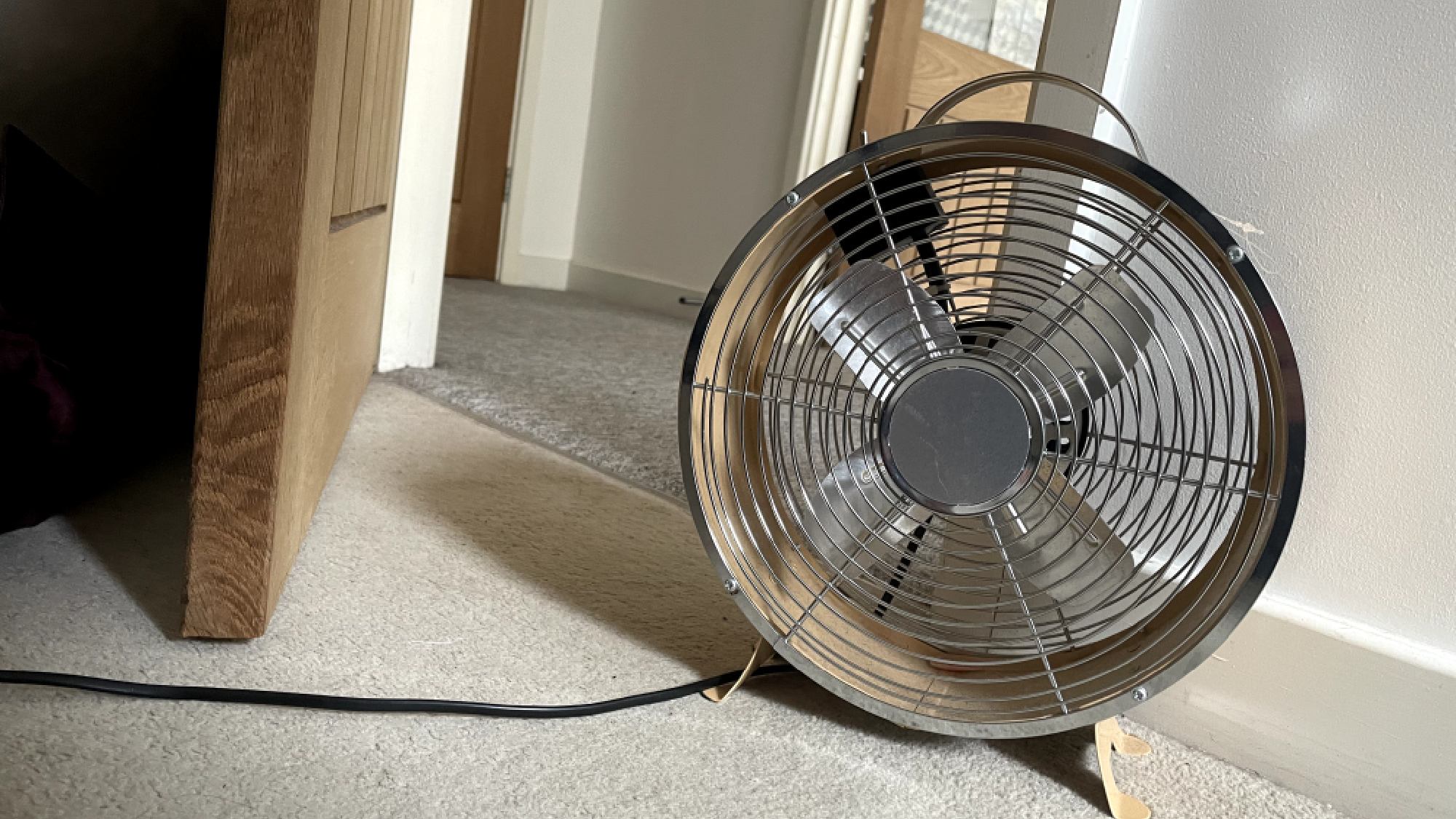
From the classic pedestal fan to sleek tower fans, powerful box fans, and even the futuristic bladeless designs, the form factor might change, but their core mission remains the same: creating a wonderful, personal breeze. It's fascinating to think how far we've come from ancient Egyptians using palm fronds or servants fanning royalty!
Let's bust one more myth: leaving a fan running in an empty room is a bit like leaving the lights on – it serves no purpose and wastes electricity. Since fans only cool people through convection and evaporation, there's absolutely no benefit to having them whirring away in an unoccupied space. So, when you leave a room, switch it off! Only use a fan when you're in the room.
A Breezy Reflection
So, next time you switch on your fan, take a moment to appreciate its elegant simplicity. It might not be a magical room cooler, but it's a brilliant personal comfort device, a smart partner for air conditioning, and a fantastic tool for circulating air. Understanding how it works empowers us to use it more effectively, save a little energy, and simply feel better. In the grand scheme of daily life, it's those small, smart adjustments that truly enhance our comfort and well-being. Embrace the breeze, savvy cooler!