There's nothing quite like the feeling of stepping into your car on a frosty morning, turning the key, and feeling that glorious warmth begin to envelop you. It's a small luxury that makes commuting in colder climates not just tolerable, but genuinely pleasant. We all appreciate a cozy cabin when the world outside is doing its best impression of a freezer, but a question often circulates among drivers, especially when the windows start to fog up: "Do I need to turn on my AC for the heat to work properly?"
Let's clear the air, quite literally. The primary purpose of your car's heater is to provide warmth. It does this by using the excess heat generated by your engine. A fluid, typically engine coolant, circulates through the engine, absorbs its heat, and then passes through a small radiator-like device called a heater core. Your car's fan blows air over this hot heater core, and that warmed air is then directed into your cabin. So, for pure warmth, you absolutely do not need to turn on your AC. The heat comes directly from the engine's hardworking efforts, a brilliant bit of engineering recycling.
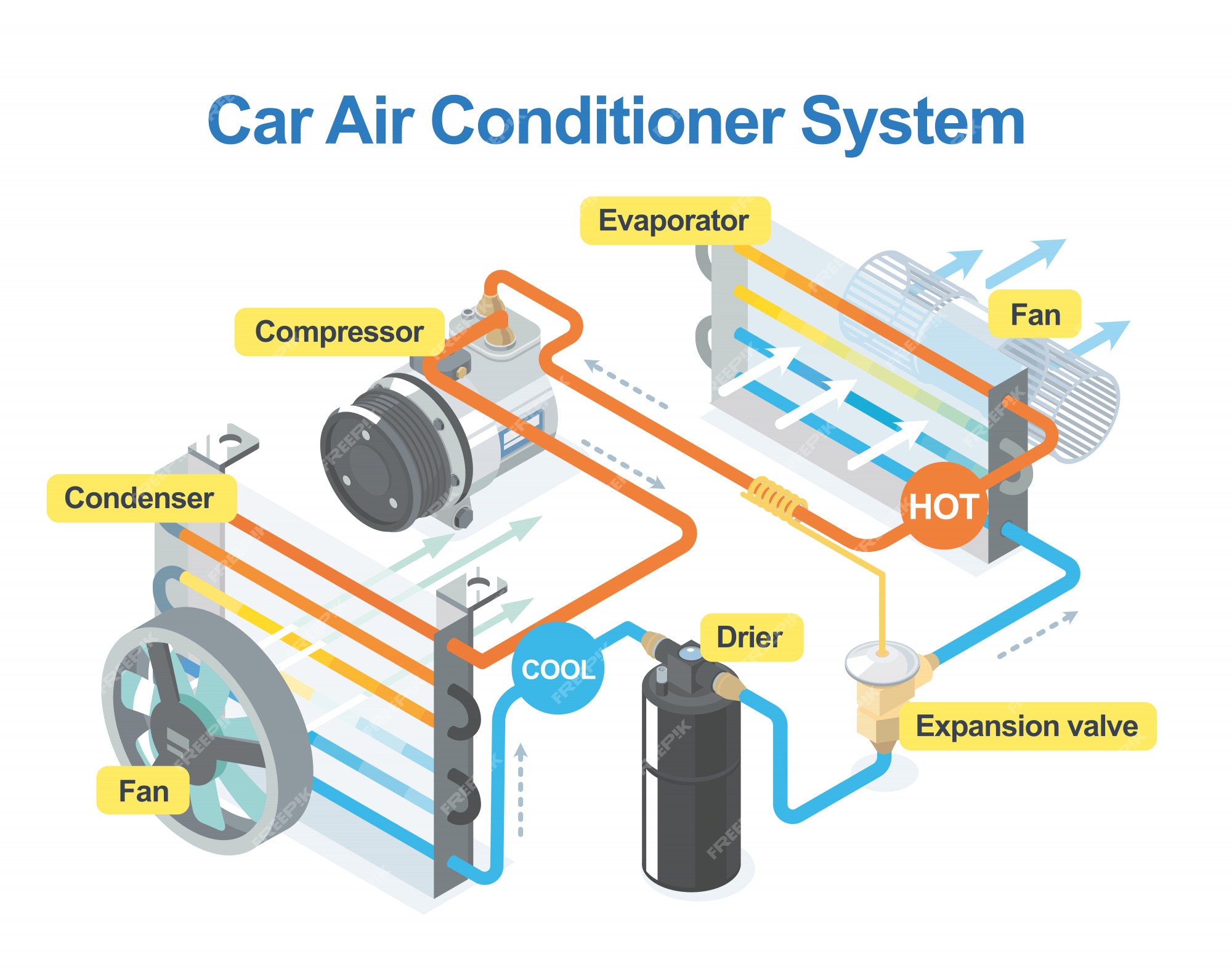
However, this is where the plot thickens and the air conditioning system makes its surprising entrance. While the AC's main job is to cool the air, it has a powerful secondary function: dehumidification. Air conditioning systems are fantastic at stripping moisture out of the air. Think about your home AC – it doesn't just make your house colder; it also makes it feel less clammy. This is precisely why the AC often plays a crucial role when you need heat most.
Consider a damp, chilly morning when your car windows fog up faster than you can wipe them. This fog is simply condensation – moisture in the air hitting the colder glass. If you just blast hot air, you're introducing more warmth, which helps eventually, but you're not actively removing the moisture. This is where the magic happens: by turning on your heat and the AC simultaneously (often achieved by simply selecting the defrost setting on your climate control), you engage both systems. The AC dehumidifies the air, stripping out that pesky moisture, while the heater warms that now-dry air. The result? Your windows clear up much faster and more effectively, providing superior visibility and safety.
So, how can you enjoy your car's climate control more effectively? First, for just general warmth on a dry day, simply use your heater; no AC button needed. Second, for those mornings when the windshield is a misty mess, always engage your defrost setting. Most cars are smart enough to automatically kick on the AC compressor for dehumidification when you select defrost, even if you’re asking for hot air. This combination is your ultimate weapon against foggy windows. Additionally, it’s a good practice to run your AC for about 10 minutes once a month, even in winter, to keep the seals and components lubricated, preventing potential issues down the line. Finally, ensure your cabin air filter is clean; a clogged filter can significantly reduce airflow and heating/cooling efficiency. Understanding these simple mechanics means you’ll always be able to dial in the perfect, comfortable climate, no matter what the weather throws at you!