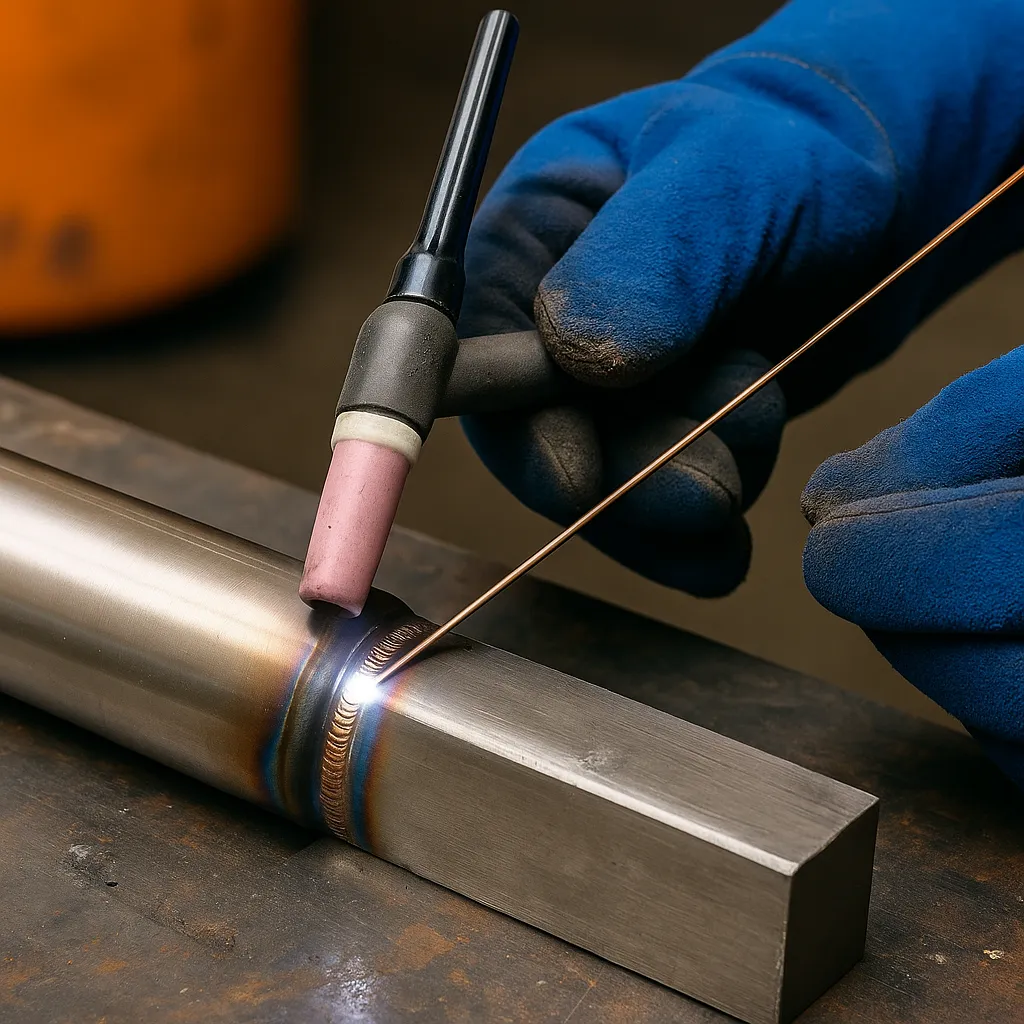
Okay, so picture this: I once tried to fix an old garden gate – the kind that’s seen better days, probably survived a zombie apocalypse or two. The frame was good old sturdy steel, but one of the decorative bits, which I somehow managed to snap off (don’t ask), was this really lightweight, almost silvery metal I thought was aluminum. My brilliant plan? Just zap it back on with my little stick welder. You know, like magic! A few sparks, a puff of smoke, and… nothing. Or rather, a really ugly, brittle mess that snapped right off again. It was a classic case of trying to force two things together that just weren’t meant to be, at least not with my level of expertise and equipment.
That little mishap got me thinking about all the incredible materials out there and the challenges of joining them. And honestly, for a long time, the question of "Can you weld titanium to steel?" felt like the ultimate version of my garden gate dilemma. You’ve got titanium – light, super strong, incredibly corrosion-resistant, basically the superhero of metals. Then you have steel – the workhorse, strong, versatile, and relatively inexpensive. Imagine combining the best of both worlds! A steel structure with titanium where you need that extra lightness or corrosion resistance. It sounds like a dream, right? But is it actually possible, or just a welder's fantasy?
The Nitty-Gritty: Why It's Tricky
Here’s the deal, and prepare for a bit of a metallurgy lesson, but I promise to keep it light. The short, blunt answer is: you generally cannot directly weld titanium to steel using conventional methods like TIG or MIG welding. If you try, you're going to get something even worse than my garden gate disaster. Think brittle, crack-prone, and utterly useless joints. Why?
It all comes down to their fundamental differences at an atomic level. Titanium and steel (which is mostly iron) have different crystal structures, meaning their atoms arrange themselves in different patterns. More importantly, when you melt them together, they form what are called intermetallic compounds. These aren't just a simple mix; they're entirely new, very hard, and incredibly brittle phases that form right at the joint interface. It's like trying to mix oil and water, but then the oil and water decide to turn into fragile glass shards instead of just separating. Not ideal for anything structural, trust me.
Plus, their melting points are different, their thermal expansion rates vary significantly (how much they expand and contract with heat), and titanium is incredibly reactive when molten, eager to suck up oxygen and nitrogen from the air, which further embrittles the weld.
So, Is It a Hard "No"? Not Exactly...
Alright, so we’ve established that directly fusing them with a standard welder is a recipe for disappointment. But this is engineering, folks! When there's a will (and a need for aerospace-grade hybrid structures), there's almost always a way. The solutions, however, are far from your garage-variety welding.
Explosion Welding: Sounds Like a Blast (Literally!)
This is probably the coolest method. Imagine using precisely controlled explosives to slam a piece of titanium onto a piece of steel at incredibly high velocities. The impact creates such intense pressure that the surfaces deform plastically, essentially bonding without melting. It's a solid-state welding process, which means no nasty brittle intermetallics are formed because you're not getting high temperatures. It’s widely used to create clad plates – a sheet of steel with a layer of titanium bonded to one side. Super cool, right? But definitely not a DIY project!

Diffusion Bonding: The Patient Approach
Another solid-state method involves putting the two materials together under high pressure and elevated temperatures (but below their melting points) for an extended period. Over time, atoms from both materials "diffuse" or creep across the interface, forming a metallurgical bond. It's slow and requires very clean, precisely prepared surfaces, but it can create strong, low-stress joints.
Brazing and Interlayers: The Middleman Strategy
Sometimes, the solution is to introduce a "middleman" material. Brazing involves using a filler metal with a lower melting point that wets both surfaces and forms a bond without melting the base materials themselves. Alternatively, engineers can use transition pieces or graded joints. This means welding titanium to an intermediate metal (like vanadium or tantalum, which play nicer with titanium), and then welding that intermediate metal to steel. It's like building a bridge with multiple spans instead of trying to jump a huge chasm in one go. Much more sensible!
Why Go Through All This Trouble?
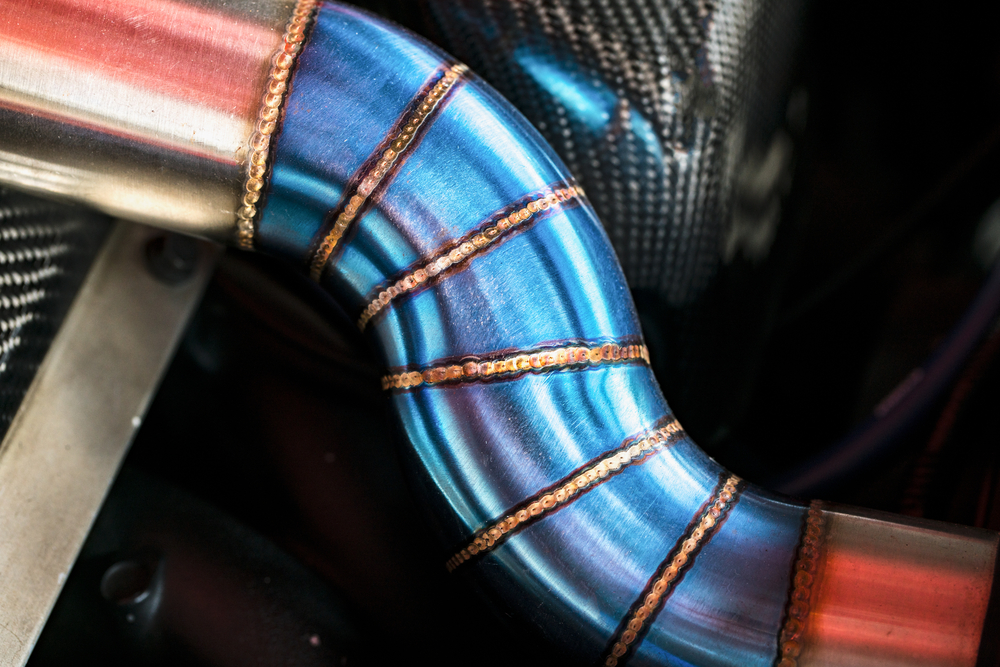
You might be asking, "Why bother with all these complicated, expensive methods?" And that's a fair question! The answer lies in seeking the ultimate performance characteristics. In aerospace, marine, or chemical processing industries, you might need the incredible corrosion resistance and strength-to-weight ratio of titanium in one area, while leveraging the lower cost and stiffness of steel in another. Think about rocket fuel tanks, deep-sea exploration equipment, or specialized heat exchangers. Combining them intelligently can lead to superior designs that are lighter, more durable, or more efficient.
So, can you weld titanium to steel? The direct, easy answer for your average shop is no, not really. But for specialized, high-tech applications, with the right techniques and expertise, it's absolutely being done. It’s a testament to human ingenuity, pushing the boundaries of what’s possible with materials. Just don't try it with your garden gate!
