Ah, acetone! The very name often conjures images of powerful cleaning, swift transformations, and perhaps, the distinctive whiff of a nail salon. It's one of those household heroes, a go-to solvent that promises to make stubborn messes vanish as if by magic. We love it because it’s a veritable superhero in a bottle, cutting through grime and adhesives that other cleaners just shrug at. There’s a certain satisfaction in watching a sticky residue or a stray mark disappear under its influence, making tasks that once felt insurmountable suddenly seem trivial. It’s the ultimate problem-solver when you need something gone, and fast!
The primary benefit of acetone lies in its incredible solvent power. It’s a highly effective chemical compound that can dissolve a wide range of organic substances, making it invaluable for various cleaning and removal tasks in everyday life. For instance, it’s the star ingredient in most nail polish removers because it quickly breaks down the polymers in polish, leaving your nails clean. Beyond beauty, acetone is a fantastic degreaser, capable of dissolving stubborn oils, resins, and waxes that cling to surfaces. This means it can rescue items from sticky situations, making them look new again or preparing them for further treatment like painting or gluing.
You’ll find acetone's utility applied in countless scenarios. From tidying up after a DIY project to tackling an accidental permanent marker mishap, it's surprisingly versatile. Spilled super glue? Acetone often comes to the rescue. Need to remove adhesive residue from a label? A dab of acetone can often dissolve it away. Artists use it to clean brushes and thin certain paints. Mechanics might use it to degrease small parts. Its rapid evaporation is another perk, meaning surfaces dry quickly after cleaning, leaving minimal residue behind. It truly feels like a household secret weapon against all things sticky and stubborn.
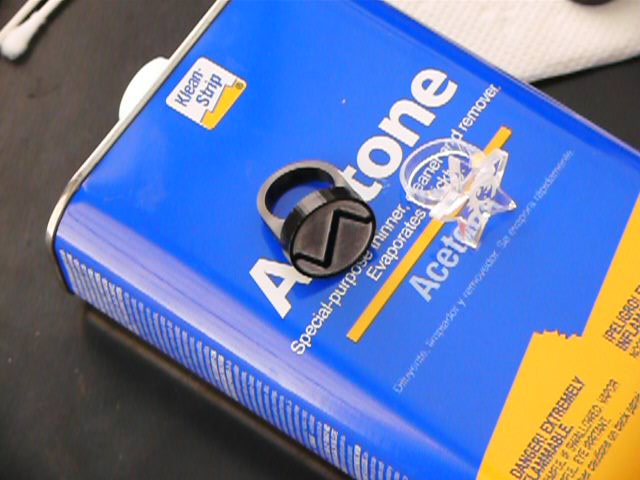
Now, for the million-dollar question: Can you use acetone on plastic? This is where our powerful hero demands a dose of respect and a hefty pinch of caution. The short answer is: sometimes, but with extreme care, and often, no. Here’s why: Acetone is a very aggressive solvent. While it's excellent at dissolving gunk, it's also incredibly good at dissolving certain types of plastic! Materials like ABS, polystyrene (think disposable cutlery, many model kits), polycarbonate (often used for clear, tough plastics), and PVC (plumbing pipes, some window frames) are highly vulnerable to acetone. It can soften them, melt them, cloud them, or even completely dissolve them, leaving a gooey, ruined mess in its wake.
However, some plastics are more resistant, such as polypropylene (PP), polyethylene (PE), and certain nylons. Even so, the golden rule when using acetone near any plastic is always, always spot test first in an inconspicuous area. Apply a tiny amount with a cotton swab and observe for a minute. If there’s any softening, clouding, or discoloration, back away slowly! When safe to use, apply it sparingly and work quickly, wiping immediately and rinsing if possible. Ensure good ventilation, wear gloves to protect your skin, and keep it away from open flames, as it’s highly flammable. For most plastic cleaning tasks, you might be better off reaching for milder alternatives like rubbing alcohol or gentle dish soap. Acetone is a fantastic tool, but like all powerful tools, it demands an understanding of its capabilities and, more importantly, its limitations, especially when plastic is involved. Handle with care, and enjoy its amazing cleaning power responsibly!