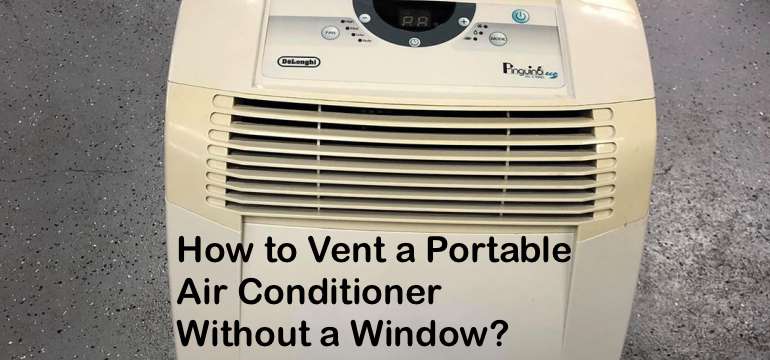
Hot summer days, sticky nights – we've all been there. The invention of air conditioning truly changed how we experience summer, transforming sweltering misery into blissful, cool comfort. It’s not just about escaping the heat; it’s about better sleep, improved concentration, and simply enjoying your home or office when the mercury rises. AC units offer a sanctuary, a little slice of arctic paradise right in your living space.
The purpose of AC is brilliantly simple: to make you feel good. Beyond the obvious cooling, air conditioning also works to dehumidify the air, stripping away that heavy, muggy feeling that makes summer so oppressive. This not only makes the air feel cooler but also discourages mold and mildew growth. From keeping your pets comfortable to ensuring your electronics don't overheat, AC plays a surprisingly crucial role in modern comfort and daily efficiency. It’s the unsung hero that helps you stay productive during the day and drift off to sleep without counting sheep and sweat drops.
Now, let's tackle the burning question (pun intended): Can you use an AC without a window? This query often sparks curiosity for those with internal rooms, basements, or unique layouts. Many imagine simply plugging in a unit and feeling the breeze. However, here's the crucial physics lesson: traditional, refrigerant-based air conditioners (like window units or portable ACs) don't just "create" cool air. They work by transferring heat from inside your space to outside. And that heat needs to go somewhere! Without a window, the "outside" part becomes the challenge. Running a portable AC in a sealed room without venting its hot air hose will lead to a very inefficient (and eventually hot) cycle, as the unit pumps heat right back into the room it’s trying to cool. It's like leaving your fridge door open in the kitchen – it just warms up the kitchen!
So, what are your options if you're in a windowless predicament?
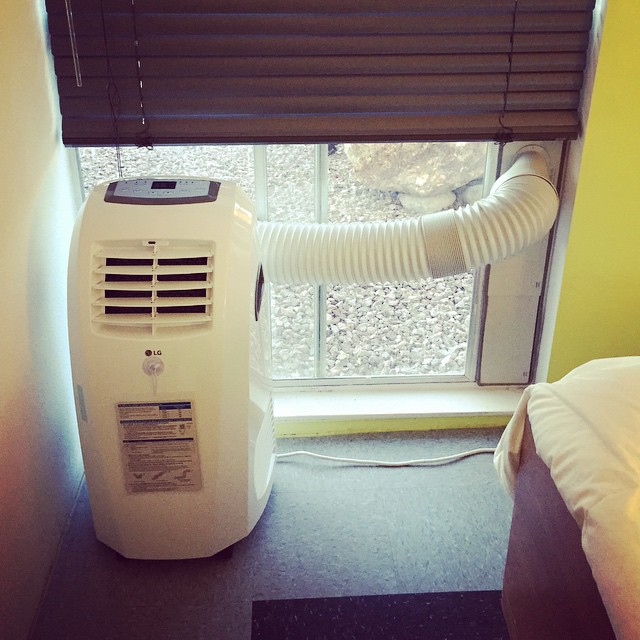
1. Portable AC Units (with a catch): These are often the first thought. While they don't sit in a window, they absolutely require an exhaust hose to vent hot air. This hose must go outside your cooled space. Creative solutions include venting through a dryer vent (if unused and safe), drilling a hole in a wall (professional installation recommended!), or even jury-rigging a vent through a doorway to an adjacent room or hallway that has an outside vent. Always seal around any makeshift venting to prevent hot air from re-entering.
2. Ductless Mini-Split Systems: These are a fantastic solution for permanent cooling in windowless rooms. They consist of an indoor unit and an outdoor compressor, connected by a small conduit hole through the wall. This offers highly efficient and powerful cooling without needing a window opening.
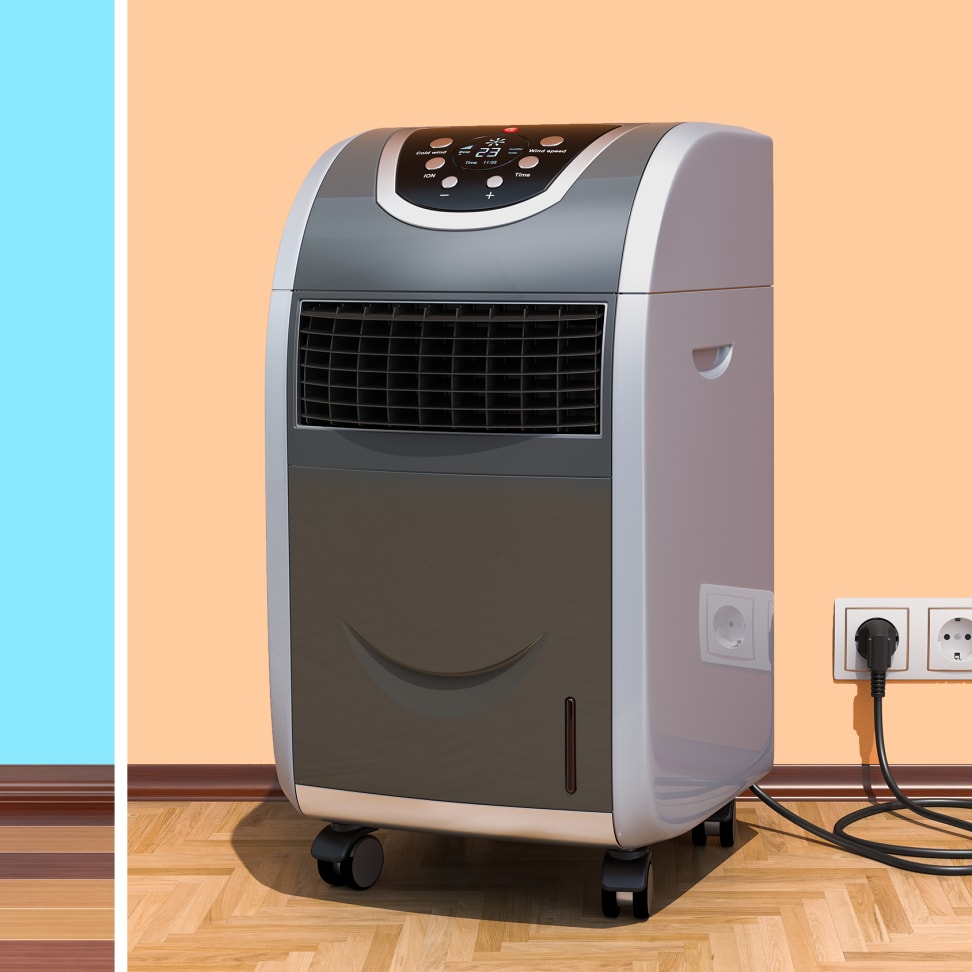
3. Evaporative Coolers (Swamp Coolers): It's important to distinguish these. Evaporative coolers work by adding moisture to the air to lower temperature through evaporation. They are best suited for dry climates and require good ventilation to prevent increasing indoor humidity. They do not have an exhaust hose but aren't true ACs and will make humid climates feel muggier.
4. Consider Airflow for Central AC: If you have central air, ensuring good airflow to that windowless room is key, perhaps through a dedicated vent or by addressing blockages.
No matter your setup, making the most of your cooling efforts involves a few universal tips:
- Insulate: Seal gaps around doors and any makeshift vents. Good insulation is your best friend.
- Circulate: Use fans to help distribute cool air more evenly throughout the space.
- Block Heat Sources: Keep lights off, unplug electronics when not in use, and consider light-blocking window treatments in adjacent rooms that radiate heat.
- Right Size: Ensure your AC unit (if you get one) is appropriately sized for the room. An undersized unit will struggle; an oversized one will cycle inefficiently.
- Maintenance: Regularly clean or replace filters. A clean filter means better airflow and efficiency, saving you energy and money.
So, while a true AC always needs to vent heat, a window isn't necessarily the only gateway. With a little understanding and creative problem-solving, you can indeed achieve that coveted cool comfort in even the most unconventional spaces!