Hey there, fellow curious mind! Ever looked at a sleek, high-tech carbon fiber gadget and thought, "Man, I bet I could whip up something cool with that... if only I could chop it up with my trusty laser cutter!" Well, you're not alone. It's a question that pops up a lot in the maker community, and it's a bit of a head-scratcher. So, let's dive in and unravel the mystery: Can you laser cut carbon fiber?
The Short (and Slightly Complicated) Answer
Ready for it? The ultra-short answer is: "Technically, yes, but probably not how you're imagining, and definitely not with your average hobby laser without some serious considerations." See? I told you it was complicated! It's kind of like asking if you can teach a cat to fetch – sure, some cats might, but it's usually a chaotic, fur-flying mess, and you're better off just throwing a ball for a dog.
Why It's Not as Simple as Slicing Butter
Carbon fiber is amazing stuff. It's incredibly strong, super light, and looks awesome. But that strength comes from its unique construction. It's not just one solid piece; it’s made of teeny-tiny, strong carbon fibers woven together and then suspended in a matrix of epoxy resin. Think of it like a super-strong, high-tech lasagna, where the pasta is carbon fiber and the sauce is resin.
When a laser (especially a CO2 laser, which is what most hobbyists have) hits a material, it essentially burns, melts, or vaporizes it. With carbon fiber, you're hitting two very different materials at once:
- The Carbon Fibers: These guys are fantastic at absorbing laser energy. They heat up super fast and can turn into a rather unpleasant, abrasive dust.
- The Epoxy Resin: This is the sticky binder. When it gets hot, it tends to melt, char, and release some pretty gnarly, toxic fumes. Yeah, not the kind of smell you want wafting through your workshop, unless you're a big fan of headaches and lung damage. Seriously, we're talking about really nasty stuff here, like formaldehyde and cyanide compounds. Yikes!
The Nitty-Gritty Problems
So, besides the "don't breathe this!" issue, what other headaches does laser cutting carbon fiber cause?

First up, ugly edges. Because the resin and carbon react differently to the heat, you often end up with a messy, charred, and delaminated edge. The layers can separate, giving you a fuzzy, uneven cut that looks less "precision engineering" and more "dog gnawed it."
Then there's the material degradation. The intense heat from the laser can actually weaken the carbon fiber around the cut. This defeats the whole purpose of using carbon fiber for its strength, doesn't it?

And let's not forget about your poor laser cutter! The soot and debris generated can quickly gunk up your lenses and mirrors, leading to frequent cleaning and potential damage. It’s like throwing a mud pie at your fancy camera lens – not ideal!
So, Is There Any Hope?
Okay, before you give up entirely and go back to stick figures, there are situations where laser cutting carbon fiber is done, but it's usually in an industrial setting with very specific setups. They often use:

- High-Power Fiber Lasers: These are different beasts than your typical CO2 laser and can be more effective.
- UV Lasers: Sometimes used for very precise, delicate cuts, as they cause less heat damage.
- Extreme Fume Extraction: We're talking industrial-grade ventilation systems that make sure no one breathes in those nasty chemicals. Think gas masks and hazmat suits, not just opening a window!
- Optimized Parameters: They've got the settings dialed in just right – specific speeds, power levels, and even multiple passes to get the job done without completely destroying the material or the machine.
But even with all that fancy gear, the cuts might still have some charring or minor delamination. It’s a compromise, folks, a compromise!
Better Ways to Get the Job Done
For most of us, if you really need to cut carbon fiber, there are far better and safer methods out there. These include:

- Waterjet Cutting: Uses a super-high-pressure stream of water (sometimes with an abrasive) to cut through materials. No heat, no toxic fumes, beautiful clean edges. Think of it as a super-precise, watery ninja sword.
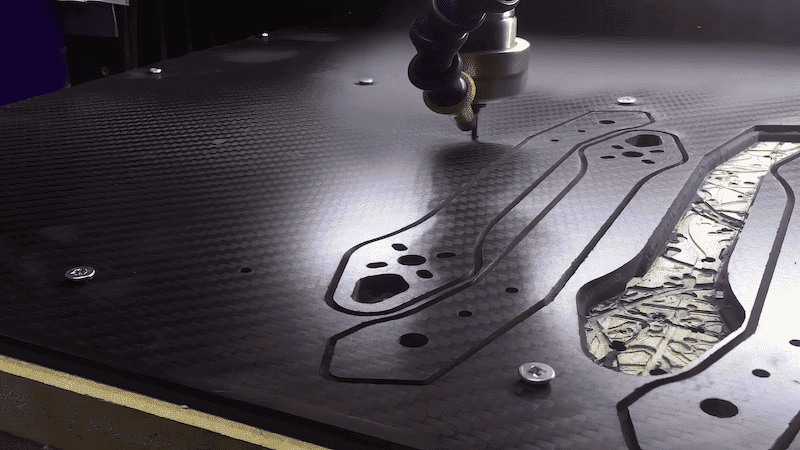
- CNC Routing (Milling): A spinning bit cuts the material. Again, clean cuts, but you'll still need good dust collection and proper respiratory protection because those carbon dust particles aren't good for your lungs either, even if they're not chemically toxic from burning resin.
The Takeaway: Play it Safe and Smart!
So, can you laser cut carbon fiber? The answer is: You probably shouldn't with a standard hobby laser, and definitely not without extreme safety precautions for fumes. While technically possible under very specific, industrial conditions, it's generally not the best or safest way to work with this fantastic material for your average maker.
Instead of wrestling with a hot, stinky, and potentially dangerous laser cut, why not explore the incredible possibilities of waterjet or CNC routing? There are many services available that can cut carbon fiber precisely and safely for you, letting you focus on the fun part: designing and building your awesome carbon fiber creations!
Keep those creative juices flowing, stay safe, and remember: sometimes the best tool for the job isn't the one you already own, but the one that helps you achieve your dreams without turning your workshop into a toxic wasteland! Happy making!