I remember this one time, gearing up for a tropical getaway. Drone charged, camera ready, excitement levels through the roof. I meticulously packed my checked bag, making sure everything was just so. Then, it hit me. A cold, dread-filled realization: where were my drone batteries? Oh crap. They were still snug in their padded case, nestled right there, deep in the checked luggage. Cue a frantic unpacking session right there in the hotel lobby before heading to the airport.
Why the panic, you ask? Because flying with Li-ion batteries isn't just about can you, but how you do it. And trust me, the rules are there for a super good reason, even if they sometimes feel like a bureaucratic labyrinth designed just to test our pre-holiday stress levels.
So, you’ve got your phone, your laptop, maybe a snazzy power bank for those long travel days, or even an e-bike battery for your adventurous spirit. All powered by those mighty, compact, and sometimes-a-little-fiery lithium-ion batteries. And then the question pops into your head as you stare at your luggage: "Can I actually bring these on a plane?"
Why All The Fuss About Li-ion Batteries?
Let's get real for a sec. These little powerhouses are amazing, right? But they do have a tiny, albeit significant, drawback: under certain conditions (like overheating, damage, or short-circuiting), they can experience something called "thermal runaway." Basically, they can get really, really hot, catch fire, and be super difficult to put out. Imagine that happening in the cargo hold, unseen, while you're cruising at 30,000 feet. Not exactly my idea of in-flight entertainment!
That's why aviation authorities like the FAA and IATA, and pretty much every airline globally, have pretty strict rules. It's all about keeping everyone safe, including your Instagram-worthy vacation.

The Golden Rule: Carry-On vs. Checked Luggage
Alright, let’s cut to the chase. The biggest, most important rule of thumb you need to remember is this: spare lithium-ion batteries and power banks MUST go in your carry-on luggage. Yep, that's right. Keep them with you in the cabin.
Why? Because if something goes wrong in the cabin, flight attendants are trained to deal with it immediately. In the cargo hold, a fire could spread before anyone even knows it's happening. Think of your carry-on as the VIP section for your batteries – where they can be monitored and managed.
Watts Up With Watt-Hours (Wh)?
Now, the rules aren't just about where you put them, but also how much power they pack. This is usually measured in Watt-hours (Wh). You'll often find this number printed right on the battery itself. If you only see milliamp-hours (mAh) and voltage (V), don't fret! A quick calculation: (mAh * V) / 1000 = Wh. You're basically an electrical engineer now, congratulations!
Here's the general breakdown for passenger flights (though always double-check with your specific airline before flying, seriously):
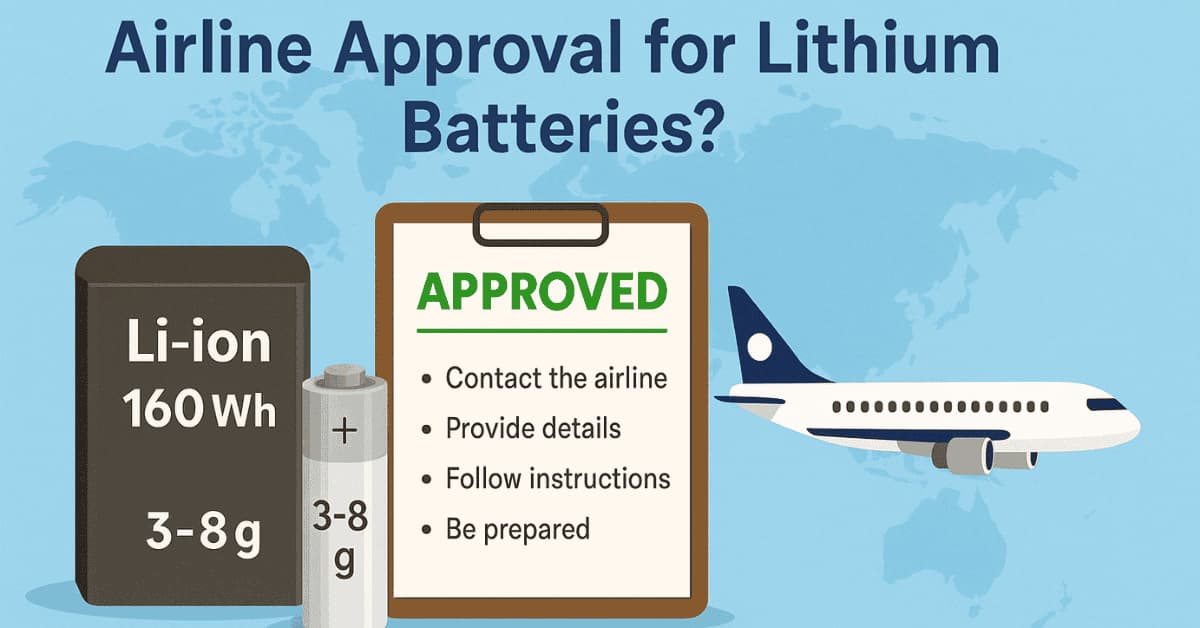
- Under 100 Wh: These are your everyday heroes. Most smartphone batteries, laptop batteries, small power banks, and camera batteries fall into this category. You can generally bring as many of these as you need for personal use, all in your carry-on. Phew!
- 100 Wh to 160 Wh: This is where things get a little trickier. Think larger drone batteries, bigger power banks, or some specialized camera battery packs. You’re typically limited to two (2) spare batteries per passenger, and they must be in your carry-on. You often need to get airline approval beforehand, so a quick call or check on their website is a smart move.
- Over 160 Wh: This is usually a no-go for passenger flights. We're talking about e-bike batteries, large power tool batteries, or super-sized camera power solutions. These are generally considered dangerous goods and can only be shipped as cargo under very specific regulations. So, leave your electric unicycle battery at home, unless you're shipping it separately.
What About Devices With Batteries Installed?
Good question! Your laptop with its battery inside, your phone, your camera – these are usually fine. If they're going in your checked luggage, make sure they’re completely switched off (not just in sleep mode!) and protected from accidental activation or damage. However, many people (myself included, after that drone scare) prefer to keep valuable electronics in their carry-on anyway. Just makes sense, right?
A Few Extra Pro Tips:
- Protect the Terminals: To prevent short circuits, keep batteries in their original retail packaging, use a battery case, or place tape over exposed terminals. Even a simple plastic bag can help prevent them from touching other metal objects in your bag.
- Check Your Airline: I can't stress this enough. While these are general guidelines, individual airlines might have slightly different policies. A quick look at their website's dangerous goods or baggage policy section can save you a ton of hassle (and potential heartbreak at security).
- Don't Forget Vapes/E-cigarettes: These also use Li-ion batteries and must be in your carry-on. No vaping in the plane's lavatory either, obviously.
So there you have it! Flying with Li-ion batteries doesn't have to be a mystery. Just remember: carry-on for spares, check the Wh, and protect those terminals. Follow these simple rules, and you'll be soaring to your destination, fully charged and stress-free. Happy travels, battery-savvy adventurer!