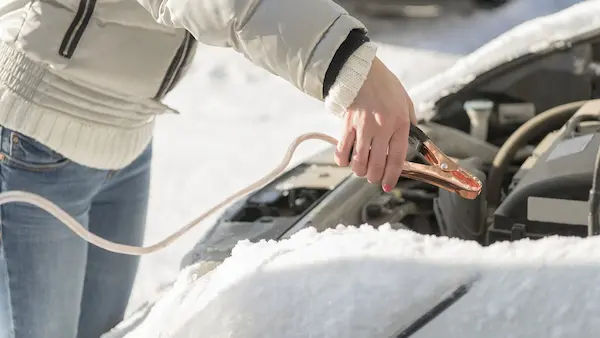
Ever woken up on a frosty morning, hopped into your car, turned the key, and... nothing? Just that dreaded, slow groan or an ominous click? It’s a classic winter woes scenario, isn't it? And if you're like most of us, your first thought probably zips straight to the culprit: the battery. But have you ever stopped to wonder why cold weather seems to have such a personal vendetta against our trusty car power packs?
Let's dive into the fascinating, slightly chilly world of car batteries and cold, shall we? It's actually way cooler than you might think!
Your Battery: A Tiny Chemical Powerhouse
First off, what even is a car battery? At its heart, it's not just a big box of electricity. Nope, it's a clever little container of chemicals designed to create a continuous flow of electrons. Think of it as a mini, portable chemistry lab! Inside, you've got lead plates (positive and negative) submerged in a solution of sulfuric acid and water, which we cleverly call electrolyte. When these chemicals react, they produce electricity – a beautiful, silent dance of ions and electrons that brings your engine to life.
Sounds pretty resilient, right? So, where does the cold fit into this chemical ballet?
The Sluggish Science of Cold
Here’s where it gets interesting. Cold temperatures slow down chemical reactions. Period. It's a fundamental rule of chemistry. Imagine trying to mix a fancy cocktail with all your ingredients turning into thick, icy sludge. Or trying to get a bunch of sleepy sloths to run a marathon. That's kind of what's happening inside your battery when the mercury drops.
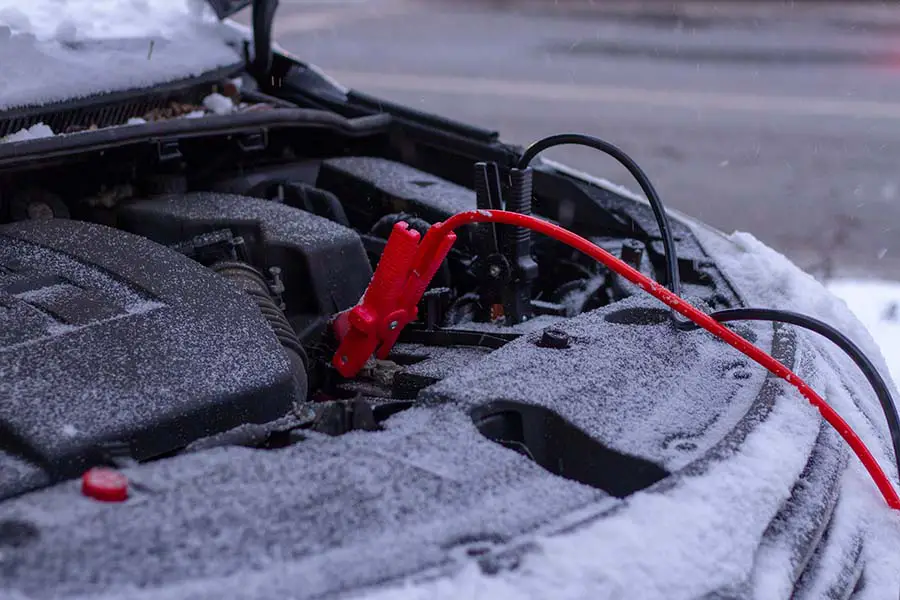
The movement of the ions in that electrolyte solution becomes more sluggish. They just don't zip around as quickly as they do on a warm, sunny day. This means the chemical reaction that generates electricity happens less efficiently. It’s not that the battery instantly dies, it’s just that its ability to pump out power is severely hampered. It's like your super-fast internet suddenly deciding to work at dial-up speeds – frustratingly slow and way less effective.
So, the cold isn't necessarily "killing" your battery in the moment; it's just making it really, really tired and ineffective.
The Double Whammy: Your Car Needs MORE Power in the Cold
As if that wasn't enough, here’s the kicker: while your battery is struggling to perform, your car actually needs more power to start up when it's cold. Talk about bad timing!

Why? Two main reasons:
- Thicker Oil: Engine oil gets thicker and more viscous in the cold, like honey turning into molasses. This means your starter motor has to work extra, extra hard to crank the engine over and push that thick oil around. It's like trying to run through a pool of treacle instead of water.
- Less Efficient Spark: Other electrical components, including the ignition system, might also need a little more juice to get things firing properly in the chilly air.
So, you've got a battery that's producing less power, and an engine that's demanding more power. It’s a classic case of supply and demand gone horribly wrong, often leading to that dreaded click or slow crank.

The Invisible Drain: Capacity Loss
Did you know that a fully charged car battery at 0°F (-18°C) can lose about 30-50% of its cranking power compared to its capacity at 80°F (27°C)? That’s a huge drop! It's not that the energy isn't there, it's just harder to get it out. Imagine your phone battery telling you it's at 100%, but then dying after an hour because it was so cold it couldn't actually access all that energy efficiently. That's a bit what's happening to your car battery.
This "effective" loss of capacity is a crucial part of the cold battery puzzle. The battery isn't broken; it's just temporarily stifled by the physics of low temperatures.
What Does This Mean For Your Battery's Health?
While the cold itself doesn't permanently damage a healthy battery, it certainly exposes any existing weaknesses. An older battery, one that’s already on its way out, or one that isn’t fully charged, will feel the cold’s pinch much more acutely. It’s like how a mild cold might barely affect a healthy person, but could really knock someone with an underlying condition off their feet.
And if your battery is repeatedly drained to near-empty by extreme cold and then recharged, it can shorten its overall lifespan. Like pushing any hard-working team too far, too often.
So, What's the Takeaway?
The interaction between cold weather and your car battery is a really neat example of physics and chemistry at play in our everyday lives. It's not magic, just a fascinating demonstration of how temperature affects fundamental processes. The next time you see snow or feel a chill in the air, you'll know that your car's battery isn't just "dying" – it's experiencing a complex chemical slowdown, facing increased demands, and just trying its best to get through a tough workday.
Understanding this makes that frustrating dead battery moment a little less mysterious, and perhaps, a little more awe-inspiring. It gives you a new appreciation for the humble power pack under your hood, doesn't it?