Ah, the sweet symphony of summer! Long days, warm nights, and that glorious moment when you step into a perfectly chilled room. Air conditioning: it's not just a luxury; it's a sanity saver, a productivity booster, and for many, a necessity. But what happens when the perfect spot for your AC unit is just a little too far from the nearest wall outlet? You eye that trusty extension cord, gleaming with the promise of convenience, and a little voice in your head asks, "Can I really plug my AC into that?" It's a common dilemma, and one we're here to tackle with a healthy dose of practicality and safety.
Let's first appreciate our two main characters. The air conditioner, of course, brings us comfort, helping us sleep better, work more efficiently, and avoid the dreaded sticky-shirt syndrome. For the elderly, infants, or those with certain health conditions, AC can literally be a lifesaver during heatwaves. Then there's the humble extension cord. Its purpose is simple yet profoundly useful: it bridges the gap, offering flexibility and reach where wall outlets fall short. Need to power a lamp across the room, charge your phone on the sofa, or run a power tool in the yard? The extension cord is your go-to. The allure of combining these two for ultimate cooling freedom is strong, promising relief in otherwise inaccessible spots.
So, where does this question pop up most often? Picture a scorching attic bedroom with a portable AC unit, but the only outlet is behind a heavy dresser. Or a window unit struggling to reach the only available socket on an awkward wall. Perhaps it's a workshop or a garage that needs temporary cooling for a project, far from any built-in power. Even outdoor events with marquee tents sometimes rely on AC units needing a bit of a stretch. These are all scenarios where the convenience of an extension cord for an AC unit feels like a perfectly logical solution. But logic, when it comes to electricity, always needs a side of caution.
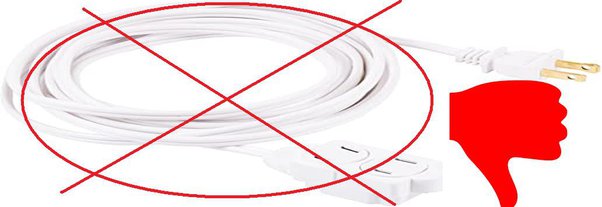
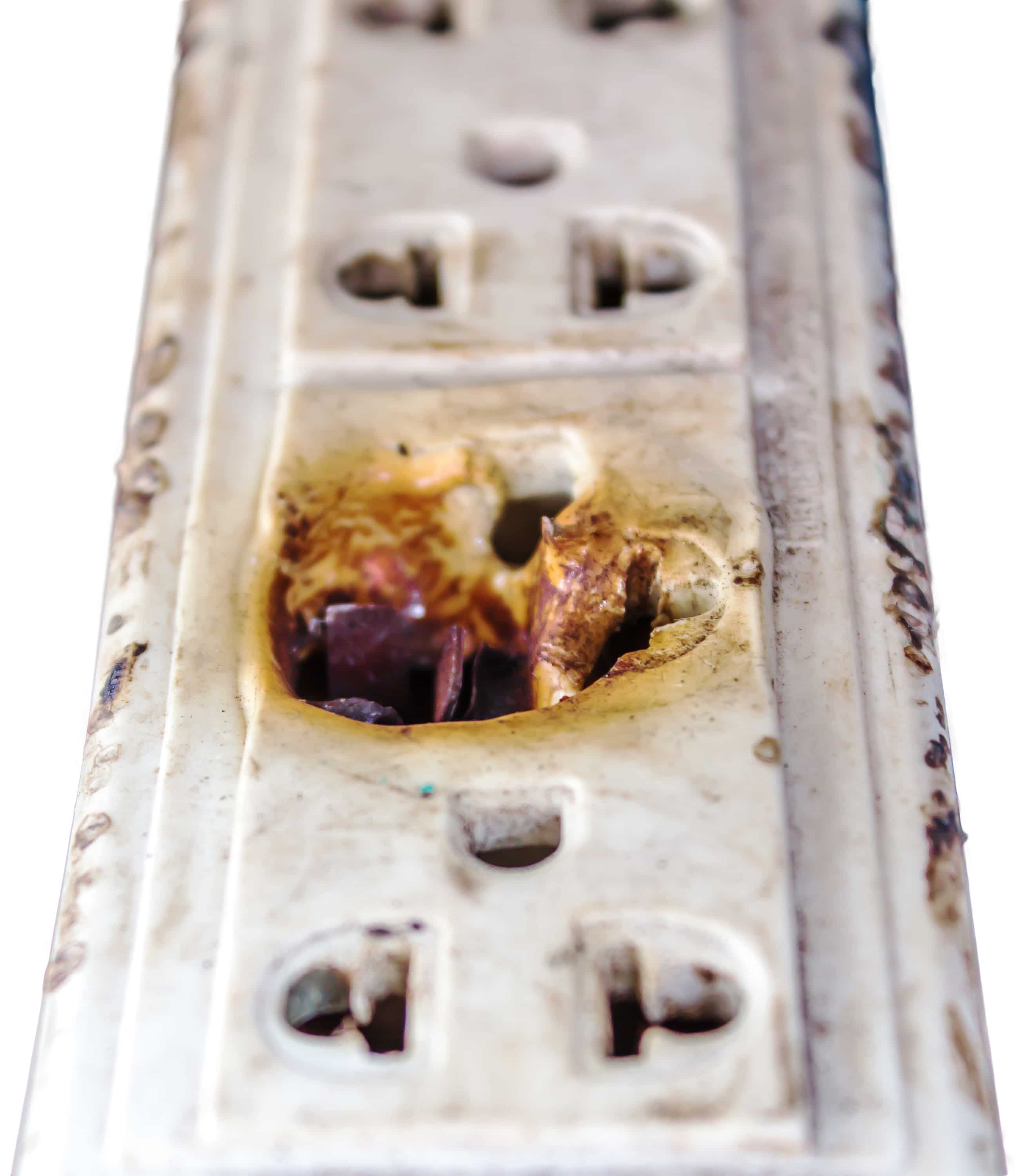
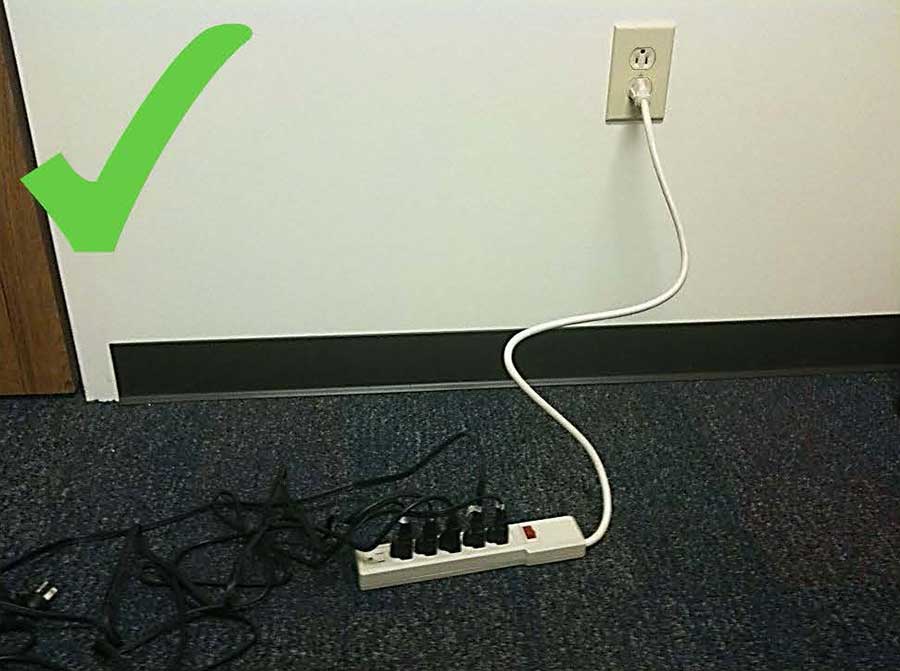
Here's where we get down to brass tacks. Can you plug an AC into an extension cord? The short answer is: yes, but with extreme caution and only the right kind of cord. This isn't a job for that skinny, multi-outlet cord you use for your phone charger. You need a heavy-duty, appliance-rated extension cord. Look for one that's specifically designed for high-wattage appliances. The key is its gauge – the lower the gauge number, the thicker the wire, and the more power it can safely handle. For an AC unit, you're typically looking for a 12-gauge or even 10-gauge cord, capable of handling the unit's specific amperage requirements. Never use a cord that feels warm to the touch; that's a sign of overheating and a serious fire hazard. Avoid "daisy-chaining" extension cords (plugging one into another), as this dramatically increases resistance and fire risk. Always plug the extension cord directly into a wall outlet, ideally a dedicated circuit. Ensure the cord is fully uncoiled to prevent heat buildup. And remember, if you're ever in doubt, or if you consistently need an extension cord for an AC unit, consider having a qualified electrician install a new outlet. Safety should always be your top priority when dealing with electricity and powerful appliances like air conditioners. Enjoy the cool air, but do it wisely!