
Hey there! Grab a coffee, let’s chat. So, you’ve got a generator, maybe for those just-in-case moments, or perhaps you’re planning a killer camping trip. And then, bam! Rain clouds roll in. The big question pops into your head: Can a generator run in the rain?
It’s a totally valid question, right? You want to keep the lights on, keep the fridge cold, or maybe just charge your phone while Mother Nature throws a tantrum. But also, you're probably thinking, "Electricity plus water… that sounds like a recipe for disaster." And you, my friend, would be absolutely right to have that thought!
The Short (And Very Important) Answer
Let's cut right to the chase, shall we? The answer is a resounding, "NO, not directly in the rain!" Seriously, don’t do it. Your generator is an electrical device, and like most electrical devices, it and water are not best friends. They're more like mortal enemies in a blockbuster movie.
I mean, think about it. Would you plug your toaster in and leave it out in a downpour? Or your fancy new TV? Probably not, unless you’re going for some kind of extreme performance art, and even then, I’d recommend a rubber suit and a really good insurance policy. Generators are no different. In fact, they’re arguably more dangerous given their power output.
Why Is Rain Such a Party Pooper for Generators?
Okay, so we’ve established it’s a bad idea. But why exactly? Let's break it down:
First off, the big one: electrocution risk. Water conducts electricity. If rain gets into the electrical components of your generator – the outlets, the wiring, the control panel – it creates a dangerous path for electricity. One wrong touch, and you could get a serious, potentially fatal, shock. And nobody wants that kind of jolt, right? Unless it's from an extra-strong espresso.
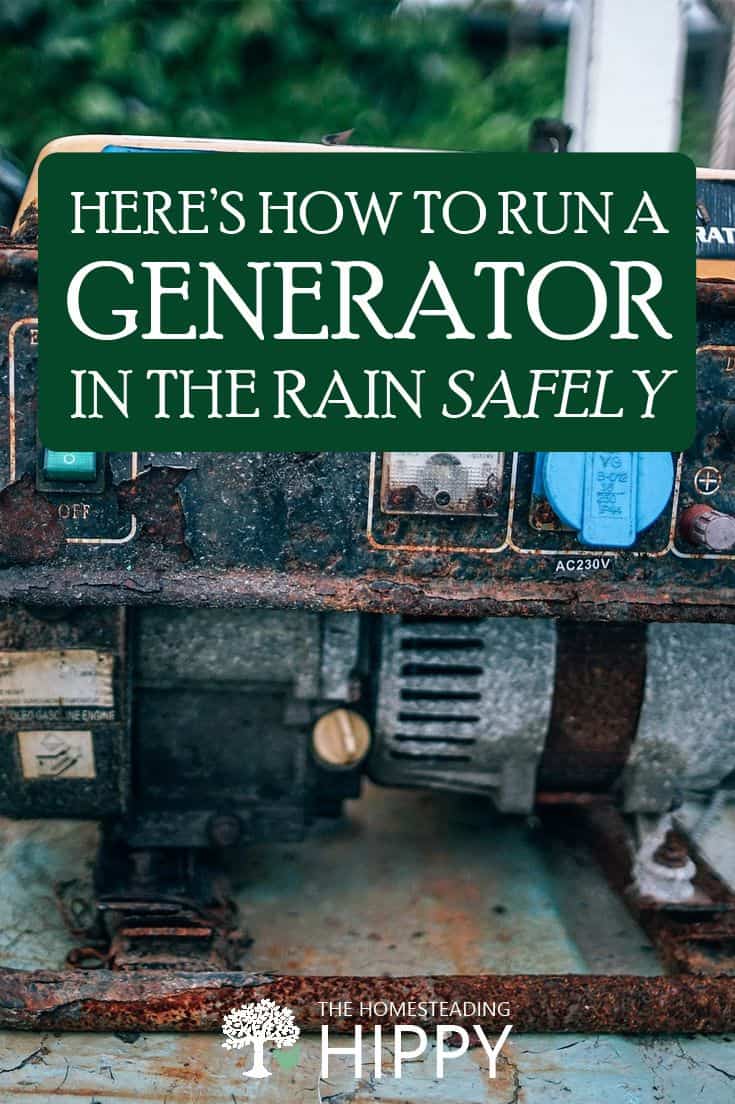
Secondly, your generator isn't exactly built for a bath. Rain can cause serious damage to the internal workings. We’re talking rust, corrosion, short circuits, and a whole host of expensive repairs down the line. It’s like leaving your car out in a monsoon with the windows down. Not exactly ideal for longevity.
And third, there’s the whole carbon monoxide thing. This isn’t directly about rain damaging the generator, but it’s crucial for sheltering it. If you try to bring your generator indoors, or even into an attached garage, to escape the rain, you're inviting the silent killer: carbon monoxide (CO). This colorless, odorless gas is a byproduct of running a generator and it can be deadly. So, keeping it dry often means needing to solve the ventilation puzzle too.

So, What's a Power-Hungry Human to Do?
Don't despair! You absolutely can run your generator when it’s raining, but you need to be smart about it. The key is proper sheltering and placement.
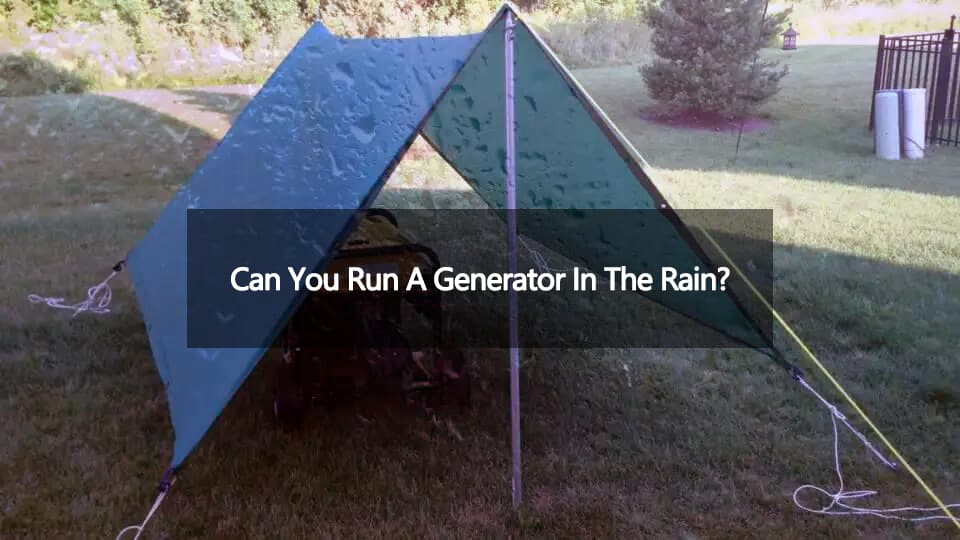
Picture this: a cozy, dry spot for your generator. We're talking purpose-built generator tents, covers, or even a pre-existing structure like a carport, an open shed, or an overhang. The crucial part here is that it needs to be well-ventilated. Think open on all sides, or at least two wide-open sides, to ensure that CO can escape freely and safely dissipate into the atmosphere. Never, ever, ever run it in an enclosed space. Seriously, don't even think about it.
![How to Run a Generator in the Rain? [Quick Working Methods] | Quiet](https://www.quiethome.life/wp-content/uploads/2022/04/How-to-Run-a-Generator-in-the-Rain.jpg)
There are some fantastic, specifically designed generator enclosures out there. They're basically little ventilated dog houses for your generator, protecting it from the elements while allowing proper airflow. These are often your best bet for peace of mind.
If you're using an existing structure, like a garage, remember the open door rule. Both the main garage door and any side doors must be wide open. And even then, it's a bit risky for CO. A good rule of thumb is to place it at least 20 feet away from your home, windows, and doors, and definitely not near any vents that lead inside.
When it comes to connecting your appliances, always make sure your hands are dry. Use heavy-duty, outdoor-rated extension cords that are in good condition. And if you’re fancy, a professionally installed transfer switch is the ultimate way to connect your generator safely to your home's electrical system, without any cords running through windows or doors.
Final Thoughts and a Gentle Nudge
Listen, having a generator is awesome. It's like having a superpower when everyone else is fumbling for candles. But with great power comes great responsibility (queue superhero music!).
Always, always prioritize safety. Invest in a good carbon monoxide detector for your home. Read your generator's manual – yeah, the boring booklet, but it's got gold in there. And never refuel a hot generator; let it cool down first. Fuel and hot engine parts are another explosive combination we want to avoid.
So, can your generator run in the rain? Yes, but only if you provide it with a dry, well-ventilated, and safe sanctuary. Keep it dry, keep it distant, and keep yourself safe. Then you can kick back, relax, and enjoy your power, come rain or shine!