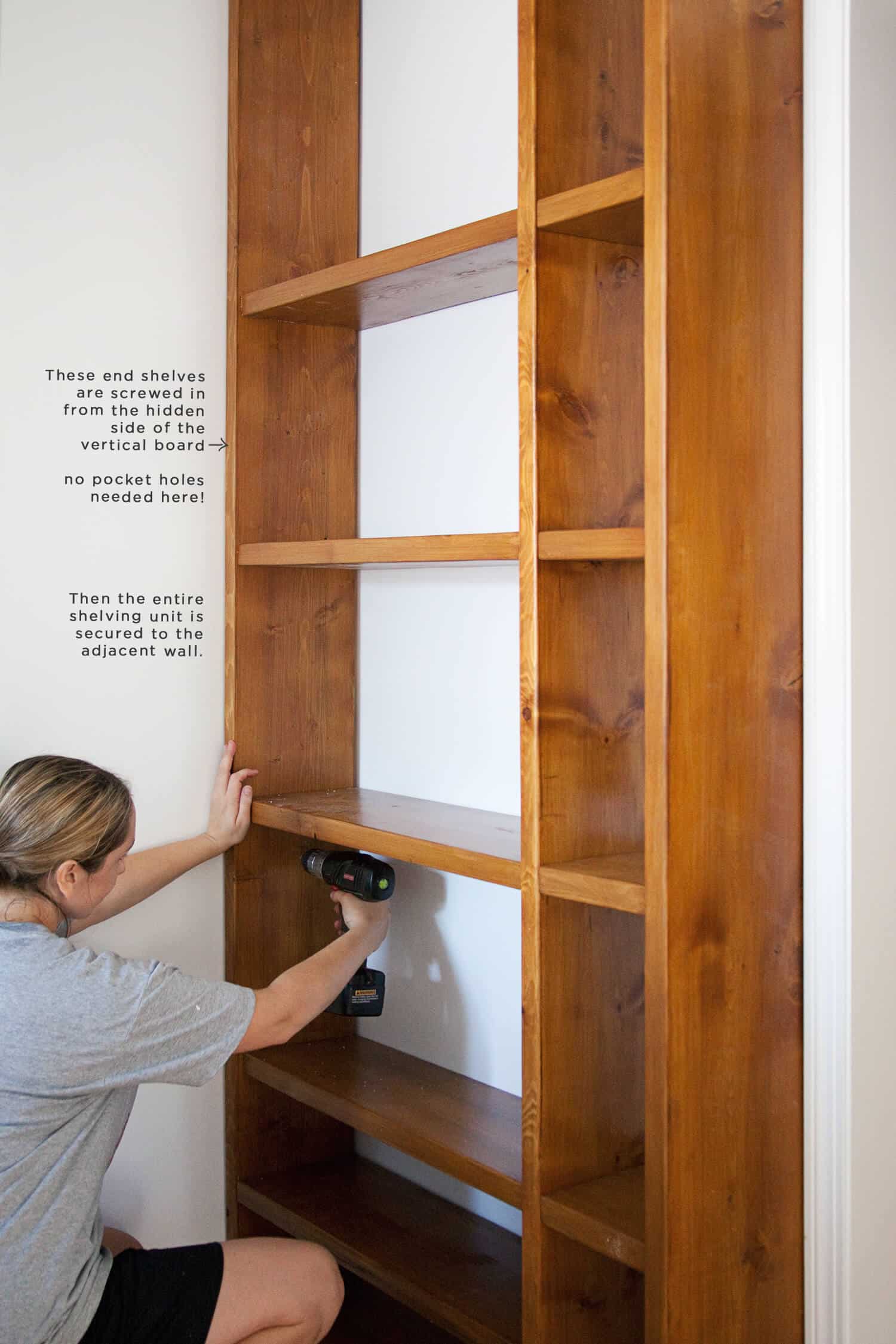
Okay, picture this: I once had this grand vision for my living room. A minimalist, airy vibe, you know? And central to this vision was a set of sleek, floating shelves. I spent ages scrolling Pinterest, imagining all my beautifully curated trinkets and books perched perfectly. So, I went to the big box store, grabbed some incredibly cheap, kinda-sawdust-compressed-into-a-board material, painted it a chic matte black, and nailed it up with all the confidence of a seasoned carpenter (spoiler: I am not).
Fast forward a week. My small but mighty collection of graphic novels, a few potted succulents, and a sentimental rock I picked up on a beach trip were all sitting there, minding their own business. Then, I heard it. A faint, almost imperceptible groan. The next morning, the "sleek" shelf had developed a rather prominent curve, like it was trying to impersonate a sad, droopy eyebrow. My minimalist dream was quickly turning into a structural nightmare. My carefully curated items were doing a slow-motion slide towards the floor. It was a clear, dramatic demonstration of one undeniable truth: the wood you choose matters. A lot.
So, if you’re staring at an empty wall, or a pile of books teetering precariously, and dreaming of a sturdy, reliable shelf, lemme tell ya, you’ve come to the right place. We're going to dive into the wonderful world of wood, because nobody wants a droopy eyebrow shelf, trust me.
The Heavy Lifters: Hardwoods
When you hear "hardwood," think strength and durability. These are the marathon runners of the wood world. They’re dense, they resist dents, and they can hold a serious amount of weight without flinching. The downside? They often come with a heftier price tag and can be a bit more challenging to work with for the casual DIYer.
Oak: Ah, classic oak! It’s like the dependable old friend who always has your back. Oak is incredibly strong, durable, and has that beautiful, distinctive grain pattern. It’s perfect for shelves that will hold heavy items – think encyclopedias (if you still have those!), weighty dishware, or your entire vinyl collection. Plus, it looks fantastic with just a clear finish, really letting its natural beauty shine. There’s a reason it’s been a go-to for furniture for centuries, right?

Maple: If oak is the dependable friend, maple is its slightly sleeker, more modern cousin. It’s also super strong and hard, but often has a finer, less pronounced grain. This makes it ideal if you’re going for a cleaner, more contemporary look. Maple takes stain beautifully, but it also looks absolutely stunning left natural or with a simple clear coat. It's a fantastic choice for kitchen shelves or a chic home office where you need both strength and style.
Walnut: Oh, walnut. The fancy one. If you want shelves that make a statement, walnut is your guy. It boasts a rich, deep brown color that is absolutely gorgeous, and its grain is truly unique. It’s strong and durable, much like oak and maple, but it usually commands a higher price. If your budget allows, and you want a showstopper shelf, walnut is a dream. Just imagine your prized possessions against that luxurious backdrop!
The Friendly & Forgiving: Softwoods
Softwoods are generally more budget-friendly, easier to cut and nail, and lighter. They’re fantastic for projects where extreme weight isn't the primary concern, or if you plan to paint your shelves.
Pine: The superstar of DIY projects! Pine is everywhere, it’s affordable, and it’s super easy to work with. It has a distinctive knotty look that’s perfect for rustic or farmhouse-style decor. While not as strong as hardwoods, a properly thick pine board can still hold a good amount of weight, especially if you add a support bracket. The key here is thickness – don't go too thin with pine, or you’ll get that droopy eyebrow effect I mentioned earlier. It’s also brilliant if you’re planning to paint your shelves, as its grain can be easily covered.
Douglas Fir: A step up from pine in terms of strength, Douglas Fir is another readily available softwood that's often used for structural lumber. It has a beautiful, straight grain and a reddish hue. It's stronger and more stable than many other softwoods, making it a good choice for shelves that need a bit more muscle but still keep costs down. It also takes stains and finishes well, giving you versatility in your final look.
The Modern Marvels: Engineered Wood
Okay, technically not "solid wood," but these options are incredibly popular for shelves, and for good reason!
Plywood: Don’t underestimate plywood! High-quality plywood (like Baltic birch) made from layers of wood veneer glued together, is incredibly strong, stable, and resistant to warping. It’s often used in cabinet making and can make fantastic, durable shelves. Plus, the layered edges can create a cool, modern aesthetic if left exposed and finished nicely. It’s also significantly lighter than solid hardwood and generally more affordable. A great all-rounder!
MDF (Medium-Density Fiberboard): MDF is basically super-compressed wood fibers. It’s extremely smooth, has no grain, and takes paint like a dream. It's stable and won't warp, making it ideal if you want a seamless, painted shelf. However, it’s not as strong as plywood or solid wood, and it’s very heavy. It also doesn't do well with moisture. So, for painted shelves in a dry environment with moderate weight, MDF can be a good, cost-effective option.
So, Which One’s For You?
Honestly, the "best" wood really depends on your project. Ask yourself these questions:
- What are you putting on it? Heavy books? Delicate figurines? This dictates strength.
- What’s your budget? Hardwoods are gorgeous but pricier. Softwoods and plywood offer great value.
- What’s the look? Rustic? Modern? Painted? Natural wood grain?
- How much DIY experience do you have? Hardwoods can be trickier to cut and sand.
Don't be like past me, staring at a sad, sagging shelf. Choose wisely, young padawan! Whether you go for the enduring strength of oak, the budget-friendly charm of pine, or the sleek stability of plywood, picking the right wood is the first step to a shelf that stands the test of time. Happy building!