Have you ever peered under the hood of a car, noticed those thick, sturdy wires connecting the battery, and then later seen a welder at work with a similarly beefy cable snaking across the floor? You might think, "A wire is a wire, right?" Well, turns out there's a fascinating, subtle world of difference beneath the insulation, and understanding it is not just for electricians – it's for anyone curious about how the hidden arteries of power work around us! It’s a fun little dive into the world of electrical engineering that makes you appreciate the purpose-built design of everyday objects.
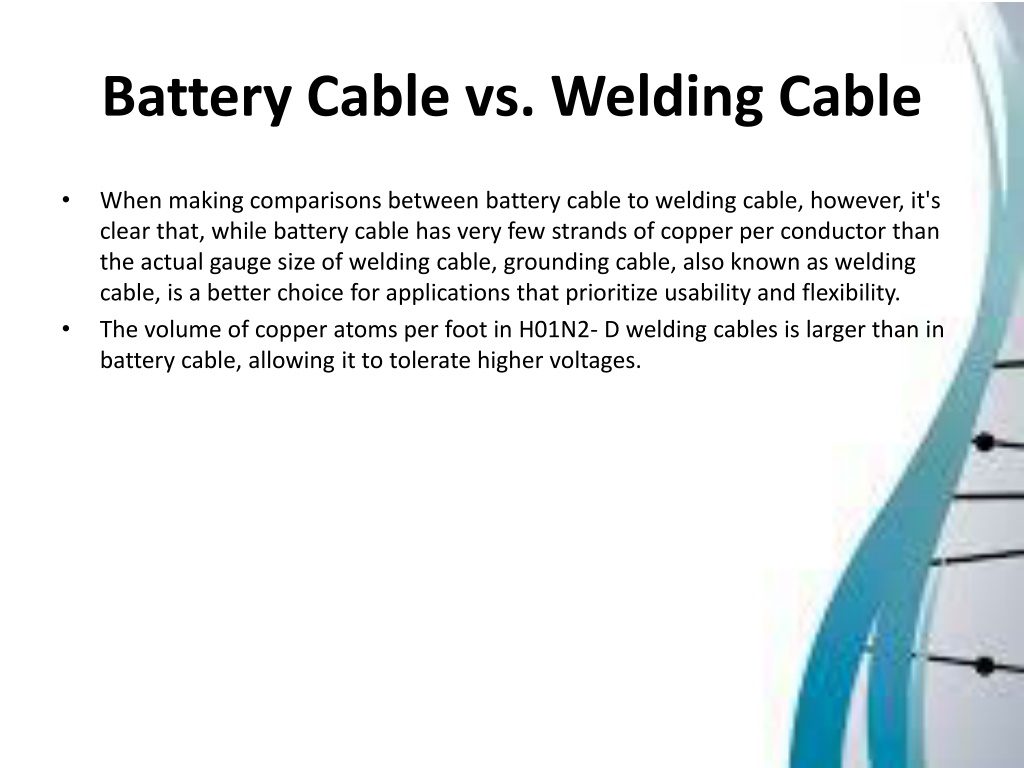
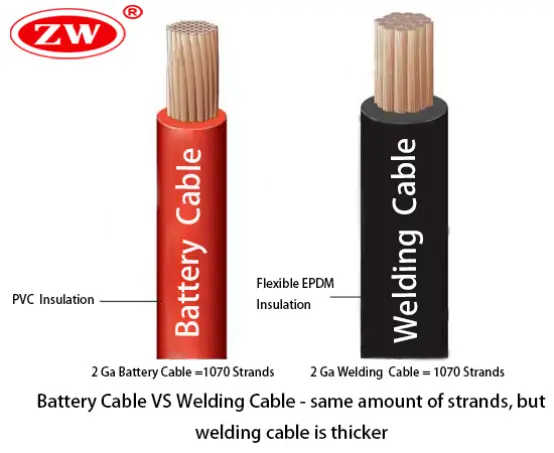
Let's start with battery cable. As the name suggests, its primary purpose is to connect batteries, usually in vehicles, to their electrical systems, especially the starter motor. Think about the incredible burst of power needed to crank an engine – it’s a huge amount of current flowing for a very short time. Battery cable is designed for this. It typically features a thicker conductor with fewer, larger copper strands, making it a bit stiffer. This design is excellent for stationary applications, like connecting a battery in a car or an RV, where the cable isn't expected to move much after installation. Its insulation is robust, built to withstand engine heat and common automotive fluids, ensuring a reliable connection for starting power.
Now, swing over to welding cable. If you’ve ever watched a welder, you’ll notice their cable is constantly dragged, bent, and twisted as they move around their workpiece. This demands a completely different set of characteristics. Welding cable is renowned for its extreme flexibility. How does it achieve this? By packing in hundreds, sometimes thousands, of very fine copper strands. This allows the cable to bend and flex repeatedly without fatiguing, which is crucial for the welder's freedom of movement. The insulation on welding cable is also incredibly tough, designed to resist abrasion, cuts, and even sparks, protecting the conductor in demanding industrial environments.
So, what's the big takeaway? It boils down to flexibility versus rigidity, and application-specific design. Battery cable, with its fewer, thicker strands, is built for a sturdy, relatively immobile connection delivering massive current bursts. Welding cable, with its myriad fine strands, is engineered for constant movement, enduring harsh conditions while continuously supplying high current. While both are excellent at transmitting electrical current, trying to use a stiff battery cable as a welding lead would be frustrating and inefficient, and using a super-flexible welding cable where a rigid battery cable is intended might lead to improper fit or excessive movement, potentially compromising the connection over time.
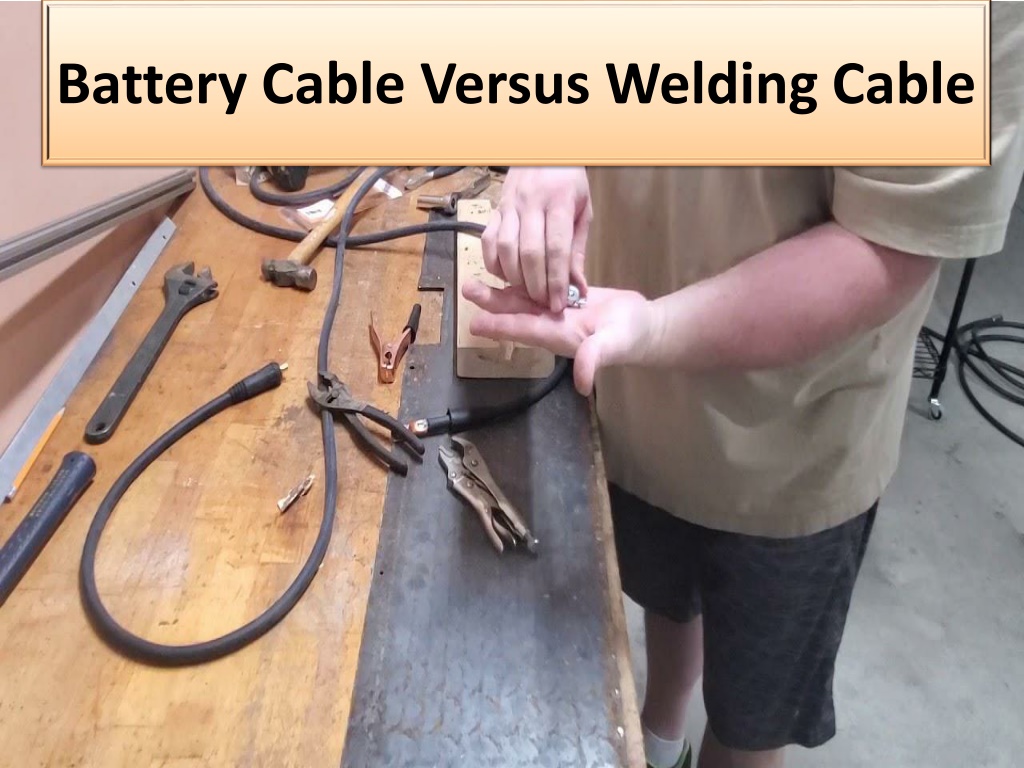
You see these cables everywhere! Battery cables are obvious in jump-starting kits, car engines, golf carts, and increasingly in off-grid solar setups and marine battery banks. Welding cables are standard issue in fabrication shops, construction sites, and even in home workshops for DIY metal projects. Interestingly, due to its amazing flexibility and durability, welding cable is sometimes adapted for high-current applications outside of welding, such as in high-performance car audio systems or large off-grid battery installations where flexibility during routing is a major advantage.
Want to explore this yourself? Next time you're at a hardware store or an auto parts shop, ask to see both battery and welding cable. Feel the difference in their flexibility. Look closely at the cut ends if possible, and you might even see the variation in copper strand count. Pay attention to the gauge (often measured in AWG – American Wire Gauge, where a smaller number means a thicker wire) and the insulation material. It’s a small detail, but understanding these cables highlights how thoughtful engineering goes into even the most basic components of our electrical world. Always remember, when dealing with electricity, safety first – if you're ever in doubt about wiring or electrical projects, always consult a qualified professional!