
Ever found yourself staring at the back of a gadget, a label on a power strip, or even a generator, seeing both "Watts" and "Volt-Amps" (VA) and wondering, "Are these just fancy synonyms for the same thing?" You're not alone! It's a common head-scratcher that can feel like deciphering a secret code from the electrical world. But don't worry, we're here to shine a friendly light on this topic and make it as easy to understand as your morning coffee order.
Think of it like this: electricity, at its heart, is all about getting work done. And just like life, sometimes the effort you put in isn't exactly the same as the outcome you get. That's where Watts and Volt-Amps come into play.
Watts: The Real Deal, The Actual Work
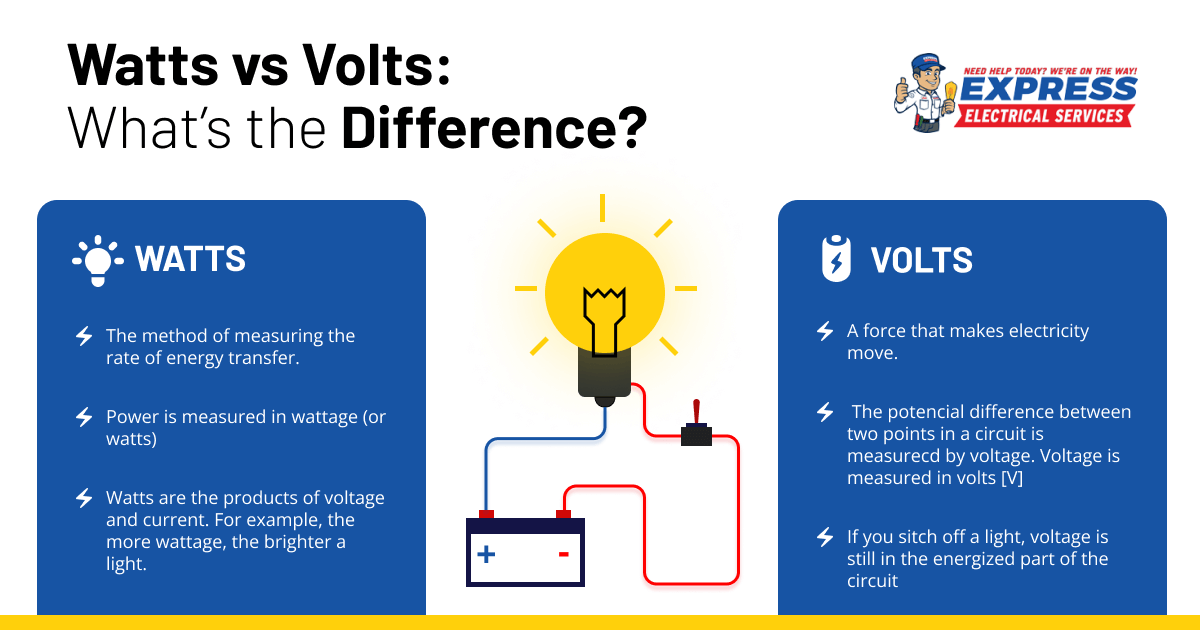
Let's start with Watts. When you see a light bulb rated at 60 Watts, you know it's going to give off a certain amount of brightness (and a bit of heat). When you plug in your hair dryer at 1500 Watts, you expect a powerful gust of hot air. Watts represent the real power or active power – the energy that actually performs useful work. It's the muscle doing the lifting, the engine turning the wheels, the actual output you can feel and see.
This is what you generally pay for on your electricity bill (measured in kilowatt-hours, or kWh, which is Watts over time). It’s the energy that gets things done, whether it’s heating your home, charging your phone, or powering your TV for that binge-watching session.
Volt-Amps (VA): The Total Effort, The Apparent Power
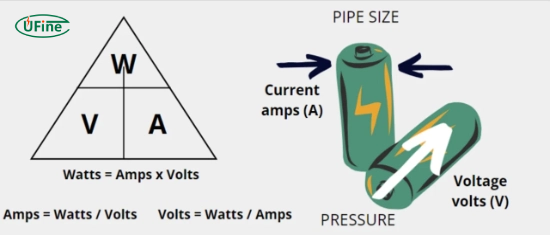
Now, meet Volt-Amps (VA). This one’s a bit more nuanced. VA represents the apparent power – the total electrical power that a circuit demands from the source. It's the product of the voltage and the current (Volts x Amps). But here's the kicker: not all of that total electrical power actually translates into useful work, especially with certain types of electrical loads.
Imagine you're trying to push a very heavy box. The total effort you exert (your grunts, your pushes, your wobbles) is like VA. But only the direct forward push that actually moves the box is like Watts. Some of your effort might be wasted in sideways movements or just holding the box steady. In the world of electricity, this "wasted" or non-working power is called reactive power, and it’s especially present in devices with motors, transformers, or magnetic fields (think fridges, air conditioners, industrial machinery).
The Relationship: Power Factor
So, what ties Watts and VA together? It's something called the Power Factor. This is a number, usually between 0 and 1, that tells you how efficiently the apparent power (VA) is being converted into real power (Watts). If a device has a power factor of 1 (or 100%), then Watts = VA. This is common for simple resistive loads like incandescent light bulbs, toasters, and basic heaters.
But for inductive loads (those with coils, like motors), the power factor is less than 1. This means the VA will be higher than the Watts. For example, a device might draw 100 VA from the wall, but only 70 Watts of that is doing actual work. The rest is reactive power, bouncing around in the circuit.
Why Does This Matter to You? Practical Tips!
Okay, so now you know the difference. But how does this affect your everyday life?
:max_bytes(150000):strip_icc()/the-difference-between-watts-vs-volts-4767057_V3-9bb4bdf5c97d4f758cbc185d40376e89.png)
1. UPS and Generators: Pay Attention to VA!
This is where the distinction truly shines. When you’re buying an Uninterruptible Power Supply (UPS) for your computer or a backup generator for your home, you'll often see both VA and Watt ratings. Always choose your UPS or generator based on its VA rating, ensuring it can handle the total apparent power your devices will demand. If your computer system draws 300 Watts but has a power factor of 0.7, it might demand over 400 VA from the UPS. A UPS rated only for 300 Watts might struggle or fail.
2. Home Appliances: Mostly Watts are What You See (and Pay For).
For most common household appliances like TVs, chargers, and electric kettles, the Watt rating is the primary concern for understanding energy consumption and your electricity bill. These are often resistive loads, so Watts are typically very close to VA, making the distinction less critical for the average user.

3. The "Beer Mug" Analogy (A Fun Fact!)
Imagine a beer mug. The beer itself is your Watts – the refreshing, useful part. The foam at the top is the reactive power – it takes up space in the mug (draws power from the source) but doesn't quench your thirst (doesn't do useful work). The total volume of the mug (beer + foam) is your Volt-Amps. You want as much beer and as little foam as possible, right? That’s a good power factor!
A Final Reflection
So, are Volt-Amps the same as Watts? Not quite! Watts are the "doing" part, the actual useful work. VA is the "total effort" part, the full electrical load. Understanding the subtle difference helps you make smarter choices, especially when it comes to safeguarding your electronics with a UPS or picking the right generator size. It’s a little like understanding the difference between sprinting speed and total endurance – both are important, but they measure different things.
Next time you see those two terms, you can give a knowing nod. You're no longer in the dark. You appreciate that behind every glowing screen and humming appliance, there’s a fascinating dance of electrical energy, some doing the heavy lifting, and some just making sure everything gets to the party.