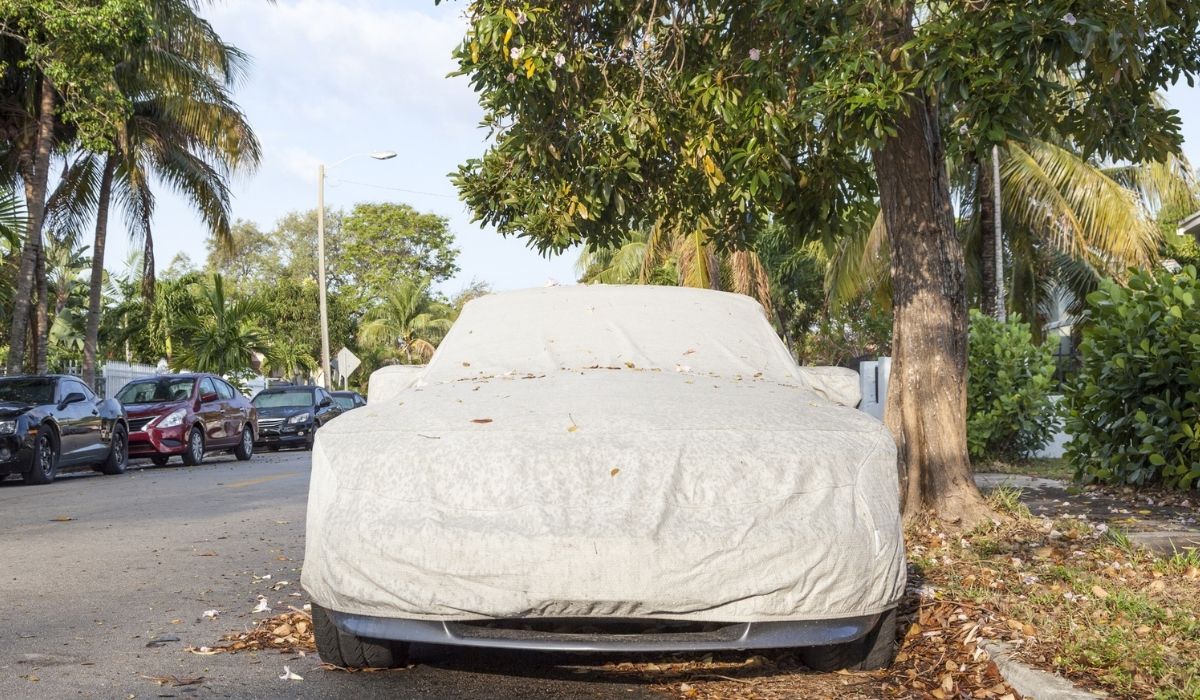
Ever found yourself staring at your beloved car, maybe after a fresh wash, and thought, "How can I keep it looking this good forever?" For many of us, the answer often involves a car cover. It feels like the ultimate shield, doesn't it? A cozy blanket for your four-wheeled friend, protecting it from everything the world throws its way. But then, a little whisper in the back of your mind might pop up: “Are car covers actually… bad for your car?”
It’s a fair question, and one that sparks more debate than whether pineapple belongs on pizza (it does, fight me!). The truth, like most things in life, isn't a simple yes or no. It's more of a "it depends on how you use it!" Think of it like a superpower: amazing if wielded correctly, potentially messy if not.
The Car Cover's Superpowers: The Good Stuff
Let's start with why we love them. Car covers are like tiny superheroes against a legion of everyday villains.
They’re fantastic at fending off bird droppings (the bane of any car owner's existence!), tree sap, dust, and pollen. Imagine living under a tree that constantly weeps sap – a cover is a literal lifesaver.
They also provide a mighty shield against UV rays. Just like sunscreen for your skin, a cover protects your paint from fading and your interior from cracking under the relentless sun. Think of it as giving your car a cool, shady spot even when there isn't one.
And let's not forget about keeping your car looking cleaner for longer. Fewer washes mean less wear and tear on your paint over time. It’s like having a butler who magically wipes your car clean while you sleep!

When Superpowers Go Rogue: The "Bad" Side
So, where does the "bad" reputation come from? Well, it’s not that the cover itself is evil; it’s usually user error, or choosing the wrong cover for the job. Here are a few ways a car cover can turn into a mischievous villain:
The Scratch Monster!
This is probably the biggest concern. Imagine your car has a fine layer of dust on it – totally normal, right? Now, you throw a cover over it. Every time the wind blows, or you touch the cover, those tiny dust particles become like sandpaper, gently (or not so gently) rubbing against your paint. It’s like trying to dry your freshly washed face with a towel full of sand. Not ideal!
This risk is amplified if your cover is dirty too. A cover that's collected grime over time can be just as abrasive. So, a dirty car under a dirty cover is a recipe for micro-scratches and swirl marks. Ouch.

The Moisture Trap Tango
Picture this: you wash your car, and it's almost dry, but you’re in a hurry so you pop the cover on. Or maybe it just rained, and the car is damp. If the cover isn't breathable or if you trap moisture underneath, you're essentially creating a mini-greenhouse. This can lead to:
- Mildew and mold: Not just gross, but bad for your paint and can smell pretty funky.
- Rust: If moisture gets trapped in nooks and crannies, especially on older cars or areas with minor chips, rust can start to brew. It's like putting wet clothes in a plastic bag – you wouldn't do it because you know what happens next!
Even if the car is bone dry, a non-breathable cover in a humid environment can still cause condensation issues.
The Paint's Suffocation
While less common with modern, good quality covers, some older or very cheap covers can trap chemicals or moisture against the paint, potentially affecting the finish over very long periods of storage. Think of it like holding your breath for too long – your paint needs to breathe a little too!
How to Make Your Car Cover a Good Guy Again (and Keep Your Car Smiling!)
Fear not! You don't have to throw your car cover dreams out the window. With a little mindfulness, your car cover can be a genuine hero. Here’s how:

1. Clean Car, Clean Cover: This is the golden rule. Only cover a clean, dry car. And remember to clean your cover regularly too! A quick shake-out and occasional wash will keep it from becoming a scratch-delivery system.
2. Bone Dry is Best: After washing, make sure your car is completely dry before covering it. If it’s been raining, let it air out. Patience is a virtue here!
3. Breathability is Key: Invest in a good quality cover designed to be breathable. Look for materials that allow air to circulate while still repelling water. Think of it as a high-tech raincoat for your car – keeps the rain out but lets the car "breathe."

4. Snug, Not Suffocating Fit: A cover that's too loose will flap in the wind, causing more friction and potential scratches. One that’s too tight is a pain to put on and take off. Get one that fits your car model well.
5. Give it a Breather: If your car is stored for a very long time, occasionally take the cover off for a day or two to let the car air out completely. It's like opening the windows after a long winter!
So, Are They Bad?
In conclusion, car covers aren't inherently bad. They're like a helpful tool that can go wrong if misused. When chosen correctly and used with a little care, they are an excellent way to protect your car from environmental hazards and keep it looking pristine.
Think of it this way: your car cover is a loyal bodyguard. Treat it right, and it will serve your car faithfully, keeping it sparkling and protected for years to come. Ignore the rules, and you might just turn your superhero into a super-villain!